



Reduce Complaints and Refunds with Better SOP
A laundromat owner in Malaysia once reviewed his monthly numbers and noticed something frustrating. Refunds were eating into profits, even when the machines were working fine. The issue was not just breakdowns. It was poor handling of commercial washing machine repair parts and unclear processes.
This blog explains how better SOPs reduce complaints, improve machine uptime, and create a smoother customer experience without overcomplicating operations.
Why Complaints Keep Happening
Most laundromats assume problems start with machines. In reality, weak processes are often the real cause. Delayed repairs, missing parts, and confused customers all lead to the same outcome. Refunds.
Industry insights show that a large portion of complaints comes from slow response times and poor coordination. A missing coin laundry machine spare parts unit can keep a machine down for days. That delay alone can frustrate dozens of users.
What a Practical SOP Looks Like
A working SOP is simple. It tells staff exactly what to do and when to do it. No guessing, no waiting around.
Key Areas Every SOP Should Cover
- Machine inspection routines
- Fault reporting steps
- Spare parts tracking system
- Clear response timelines
Clarity here reduces errors. Staff acts faster. Customers notice the difference almost immediately.
The Role of Spare Parts in Reducing Refunds
Breakdowns are part of the business. Long delays are not. Working with a reliableindustrial washing machine parts dealer changes everything. Quick access to parts means faster fixes, less downtime, and fewer angry customers.
A small laundromat improved performance just by stocking commonly used coin laundry machine spare parts. Machines were back online faster, and refund requests dropped within weeks.
A Simple SOP That Delivered Results
One operator introduced a basic rule system. Nothing fancy, just consistent action.
- Identify machine issues within 15 minutes
- Fix or isolate the problem within one hour
- Replace faulty parts within 24 hours
This approach created a sense of control. Customers stopped waiting around. Complaints reduced without needing a major investment.
Customer Experience Matters More Than Expected
Many complaints do not come from machine failure. They come from confusion. Clear instructions near machines reduce misuse. Short, visual guides work better than long explanations. When users know what to do, mistakes go down.
Even a simple contact number displayed clearly can prevent frustration from turning into refund requests.
Maintenance SOP Keeps Problems Small
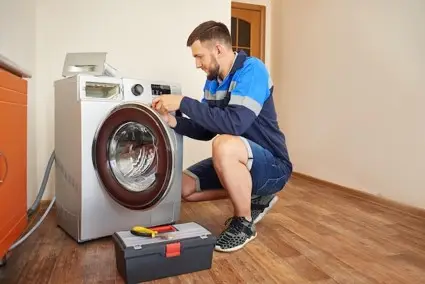
Regular checks prevent bigger issues later. Skipping maintenance usually leads to expensive downtime. A weekly routine should include checking machine performance, water flow, and signs of wear in key commercial washing machine repair parts. Small fixes done early avoid major repairs later.
Quick SOP Structure You Can Follow
Consistency is more important than complexity. A basic routine keeps operations stable.
- Daily checks for cleanliness and visible faults
- Weekly inspection of machine performance and parts
- Monthly review of spare parts usage and supplier reliability
Following this rhythm with support from electrolux commercial laundry machines helps avoid sudden breakdowns and keeps machines running smoothly.
Standardize Staff Training for Consistency
The most effective SOP is useless when staff processes it in a different manner. Training must not be a single affair. Consistent refreshers ensure that everybody is on track with the same expectations. Service is predictable when all team members share the same process when it comes to inspections, repairs, and handling of customers. That uniformity is sufficient to minimize confusion and keep minor problems down to a minimum.
Create a Clear Escalation System

All problems cannot be resolved on the first level. A distinct ladder of escalation will be used so that unaddressed issues are promptly transferred to the appropriate individual. Employees must be aware of when and whom to approach when the situation is out of control. This avoids time loss, particularly in the case of complex faults or part unavailability and assists in preventing long machine inactivity.
Use Simple Checklists Instead of Memory
The use of memory results in steps being missed. Checklists like simple checklists eliminate that risk. It could be daily cleaning or changing parts; a checklist will make sure that nothing is left out. This creates discipline in operations over time and minimizes repeat problems that frequently result in refunds.
Track Complaints to Find Patterns
Each complaint contains some useful information. Monitor them on a regular basis as opposed to treating them as isolated cases. Patterns can show process gaps that are not obvious, e.g., some repairs appear to have delays regularly, or some machines are used improperly. Repairing these patterns contributes to a long-term enhancement.
Improve Communication with Customers
When a machine is down, clear communication will address the expectations. A brief note about the problem and the time to expect it to be solved does more than most operators think they do. The customers will be more tolerant when they are aware of what is going on.
Build Supplier Reliability into SOP
Suppliers are a part of your operations, whether you want them or not. Part Availability and Supplier Response Times: Include these in your SOP. Backup suppliers, including an alliance laundry equipment dealer, on essential components minimize the risk of reliance on one supplier and provide quicker response when critical components are involved in an emergency repair.
Review and Update SOP Regularly
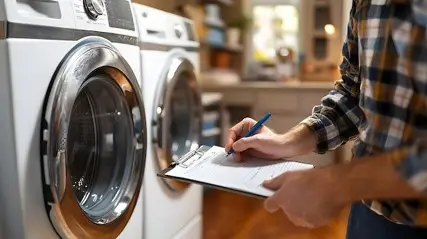
An SOP is not a standard document. Processes must be changed as your laundromat expands. On a monthly/quarterly review, it is possible to refine the steps based on experience. The constant enhancement ensures that operations remain efficient and no old errors can repeat.
Assign Ownership for Every Task
It is not the responsibility of anyone when everybody is. The confusion of inspections, repairs, and work with customers is eliminated by assigning specific ownership. There ought to be a designated individual responsible for completing each task. This mere change enhances the speed of response, and nothing falls through the cracks.
Keep Spare Parts Organized and Visible
An untidy storage room is a drag. Repair time is wasted when spare parts are not readily available. Arranging parts with proper labels and accessibility enables the staff to be quick in action. Quick repairs will directly decrease machine downtime and customer frustration.
Set Realistic Time Benchmarks
Lack of clarity in timelines leads to delays. Creating attainable targets in each step, starting with problem identification, through problem fixing, keeps things going. Employees are able to prioritize work more efficiently, and consumers enjoy faster service. Trust is developed over time.
Document Every Repair Action
Maintaining a basic log of repairs makes a difference in more ways than one would imagine. It enables operators to monitor recurrent problems and those machines that require regular care. This understanding assists in making superior decisions and averting recurring failures.
Minimize Downtime with Backup Plans
There are failures that are unexpected, yet downtime must not get out of control. The presence of backup machines or other solutions is useful in ensuring continuity of service. The customer dissatisfaction during peak hours can be avoided by a temporary workaround.
Conclusion
Refunds and complaints rarely come from one big failure. They build slowly through delays, unclear steps, and poor planning. Strong SOPs fix these gaps. Better spare parts management, faster response times, and clear communication all work together.
Consistency turns a struggling laundromat into a reliable one. Launch Laundry focuses on building these systems so businesses run more smoothly and customers stay satisfied.
FAQs
1. Why are commercial washing machine repair parts important in SOP?
They ensure quick repairs. Faster fixes reduce downtime and prevent customer complaints.
2. How often should coin laundry machine spare parts be monitored?
High-usage parts should be checked weekly, while critical components may need more frequent inspection.
3. What should I look for in an industrial washing machine parts dealer?
Reliable supply, genuine parts, and fast delivery are key factors that keep operations running without delays.
4. Can better SOP really reduce refunds in laundromats?
Yes. Clear processes improve response time, reduce confusion, and create a better overall customer experience.
5 How can I train staff to follow SOP effectively?
Start with simple, step-by-step training and repeat it regularly. Use real scenarios so staff understand how to respond in everyday situations. Consistency in training leads to consistency in service.
6 What are the most common causes of laundromat complaints?
Most complaints come from delayed repairs, unclear instructions, and poor communication. Machines may not always be the issue. Process gaps usually create the biggest problems.