

Staff Training SOP for Drop Off and Wash and Fold
A busy afternoon, three customers waiting, and one staff member juggling intake, tagging, and questions. That small window decides everything. A smooth process builds trust fast. Even with Speed Queen commercial laundry machines, service falls apart without trained hands guiding the workflow.
This blog explains a clear, practical SOP for drop-off and wash and fold services, built for real operations, not theory.
Why SOP Training Is Non-Negotiable
Laundry businesses run on repetition. Same steps, same results. That is where consistency wins. Teams trained on structured SOPs make fewer mistakes. They waste less time. They also handle customer requests with more confidence. Operators using Electrolux commercial laundry machines often notice that better-trained staff get better machine performance without changing anything technical.
Step-by-Step SOP for Drop Off Handling
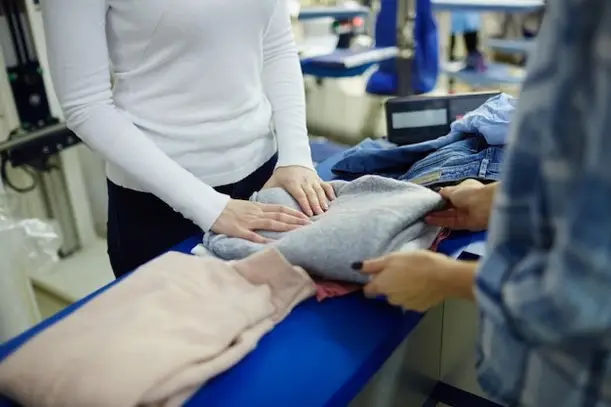
Customer Intake and Order Creation
First contact sets the tone. Calm, clear, and organized.
- Greet the customer and confirm service type
- Ask for special instructions, like stain removal or delicate handling
- Weigh or count items accurately
- Tag each order with a unique identifier
Mistakes here usually show up later. A wrong tag can delay the entire process.
Sorting and pre-treatment
Sorting is not optional. It is the backbone of quality.
Laundry must be separated by color, fabric, and wash requirements. Staff should check every pocket, spot visible stains, and apply basic treatment where needed. Many businesses trained by an alliance laundry equipment dealer follow strict sorting protocols because machine output depends heavily on correct input.
Wash and Fold Process Execution
Washing Stage
Machines are powerful, but they follow instructions given by staff. Proper loading matters. Overloading reduces cleaning efficiency. Underloading wastes resources. Staff should understand basic settings, not guess.
Modern systems like Speed Queen and Electrolux are built for efficiency, but only when used correctly.
Drying and Finishing
Drying feels simple, but causes the most complaints when done wrong.
- Use the correct temperature based on fabric type
- Avoid over-drying to prevent shrinkage
- Remove clothes on time to reduce wrinkles
A quick inspection after drying helps catch issues early.
Folding and Packaging
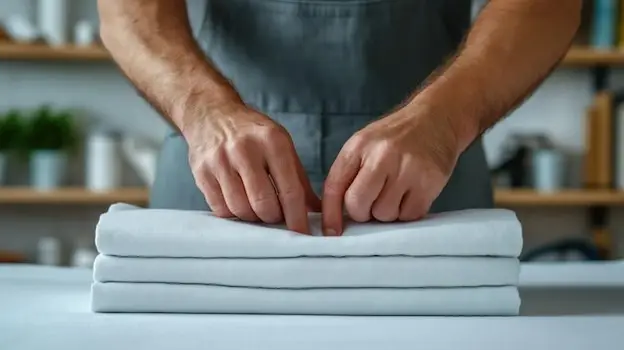
Folding is where presentation comes in. Customers notice this instantly. Consistent folding style, clean packaging, and proper labeling give a professional finish. Even average laundry looks premium when presented neatly.
Common Mistakes That Hurt Operations
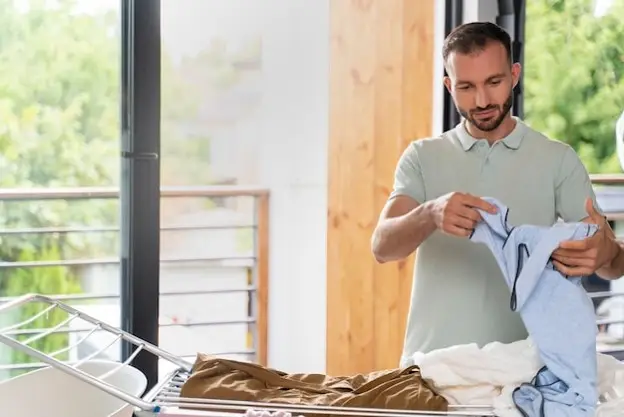
Skipping small steps creates big problems. Staff often rush intake or ignore fabric labels. Overloading machines to save time leads to poor results. Missing final checks allows errors to reach the customer.
A laundromat in Southeast Asia improved repeat visits significantly after tightening just three steps: intake accuracy, sorting discipline, and drying control. No extra investment was needed.
Training That Actually Works
Training should feel practical, not theoretical. Staff learn faster by doing. Short daily refreshers help more than long sessions. Supervisors should observe and correct in real time. Visual SOP charts placed near workstations keep everyone aligned.
Teams working with Electrolux commercial laundry machines often benefit from hands-on demos because machine settings become easier to understand when seen in action.
Handling Customer Communication and Expectations
Effective communication eliminates misunderstandings in the future. Before placing the order, staff should paraphrase important instructions to the customer. This involves turnaround time, special care requests and pricing. Complaints are reduced when they are created at the beginning. Taking an extra few seconds to verify information, even during peak hours, saves a lot of time in the future.
Managing Peak Hour Workflow
Rush hours are a good test of the strength of your SOP, especially when delays are caused by unavailable huebsch dryer parts. The priority system should be implemented by the staff as opposed to a random reaction. The intake, sort and machine loading should run consecutively without any overlap or confusion. Delegation of simple tasks at the busiest time keeps things going. Intake, sorting and machine monitoring are managed by one person, one person and one person, respectively. This structure minimizes stress and errors.
Quality Control Before Order Completion
A final quality check must be done before any order can be marked complete. Employees are expected to check whether there is a missed stain, dampness or improper folding. This is a precautionary measure. Companies that employ systems such as Speed Queen tend to use this checkpoint as a means of uniformity, as even high-performance machines are not able to correct a human error.
Order Tracking and Storage System
A well-structured storage system for items like commercial laundry machine spare parts eliminates disorder in the pickup. Orders that are completed need to be organized either by tag number or customer name in a special place. Employees should make sure that tags are not hidden. Lost orders bring undue delays and frustrations. The straightforward and uniform storage solution makes the operations run smoothly even on high-volume days.
Staff Accountability and Performance Monitoring
Measuring the performance of staff aids in enhancing service delivery in the long run. Some of the mistakes that should be checked by the supervisors are related to wrong tagging, ineffective sorting, or drying. Feedback frequently helps keep the team in line with the SOP standards. Companies that deal with Electrolux equipment usually report an improved efficiency when the accountability of staff is well determined and quantified.
Handling Customer Complaints Professionally
Mistakes happen, but response matters more. Staff should listen carefully, acknowledge the issue, and offer a clear solution without delay. Avoid defensive reactions. A calm and respectful approach can turn a negative experience into a repeat visit. Proper training ensures staff handle complaints with confidence rather than hesitation.
Continuous SOP Improvement and Updates
SOPs should not stay static. Regular updates based on real operational challenges make them stronger. Feedback from staff working on the floor is valuable because they see issues firsthand. Small adjustments in intake, sorting, or machine handling can lead to noticeable improvements. A laundromat that evolves its SOP stays efficient and competitive over time.
Time Management and Turnaround Control

One of the largest factors that customers are concerned about is time. The employees are supposed to be trained to calculate the realistic turnaround times depending on load and the availability of machines. Excessive promises will cause stress and result in work pressure. Reliability is created through a consistent flow of correct commitments. When employees use time effectively, the whole process of work seems to be more organized and foreseeable.
Proper Use of Detergents and Chemicals
The appropriate quantity of detergent and chemicals is usually neglected. Excessive amounts may cause harm to fabric and leave residue, whereas inadequate amounts will affect the quality of cleaning. Staff members should implement strategies in a measured manner rather than by guesswork. Conspicuous guidelines around workstations assist in consistency. This is more so when dealing with mixed loads, which may have various fabric requirements.
Equipment Handling and Basic Maintenance Awareness
Employees are not required to be technicians, and they must know the fundamentals of machine care. Basic routines such as checking the state of the lint filters, regular inspection of the drum, and reporting of suspicious noises at the initial stages can help to avoid larger problems. When employees of the Alliance Laundry Systems adhere to simple equipment care rules as a daily SOP, the probability of additional breakdowns is reduced in laundry shops using the Alliance Laundry Systems.
Hygiene and Workplace Cleanliness Standards
A clean environment is a measure of service. Employees are expected to uphold hygiene in all areas, including intake counters and folding areas. Working areas should be wiped frequently, and laundry should not be in contact with dirty areas. Not only does a clean environment keep garments safe, but it also creates customer confidence without uttering a word.
Conclusion
Drop off and wash and fold services look simple from the outside, but inside, every step matters. Strong SOPs keep operations steady, reduce errors and improve customer trust without extra effort.
Launch Laundry focuses on building that balance between process, people and machines, helping laundromats grow with systems that actually hold up during busy days.
FAQs
1. Why are Speed Queen commercial laundry machines used in wash and fold services?
They are known for durability and consistent performance, especially in high-volume operations.
2. Do Electrolux commercial laundry machines require special staff training?
Basic training is needed to understand wash programs and fabric care settings for best results.
3. How does an alliance laundry equipment dealer support staff training?
They often provide machine guidance, setup training, and operational tips for better efficiency.
4. What is the most important step in the wash and fold SOP?
Sorting and tagging. Errors at this stage affect the entire process.
5 How often should staff be trained on the wash and fold SOP?
Regular refresher training should be done weekly or monthly, depending on workload.
6 Can proper SOP training reduce machine-related issues?
Yes, trained staff use machines correctly, avoid overloading, and select the right settings.