


Hygiene and Machine Cleaning Schedule That Prevents Odour
A laundromat owner once shared a strange complaint. Customers said the machines looked spotless, but something smelled wrong. The issue was not visible dirt. It was poor internal care and no properlaundry machine maintenance kit routine.
Odour in laundry machines builds quietly. This blog explains a clear, practical cleaning schedule that prevents it before it starts.
Why Laundry Machines Start Smelling
Bad odors are typically accumulative, rather than careless in a single day. Detergent residue, softener and lint gradually accumulate within concealed areas.
Things are made worse by moisture. Bacteria thrive fast in hot and humid climates. Experiments carried out on commercial laundry machines show that hygienic gaps can reduce efficiency and customer satisfaction in the machines.
Old or damagedreplacement parts for laundry machines also trap bacteria. Cleaning alone cannot fix worn-out components.
A Simple Cleaning Schedule That Actually Works
Consistency matters more than deep cleaning once in a while. Machines perform better when maintained regularly.
Weekly routine:
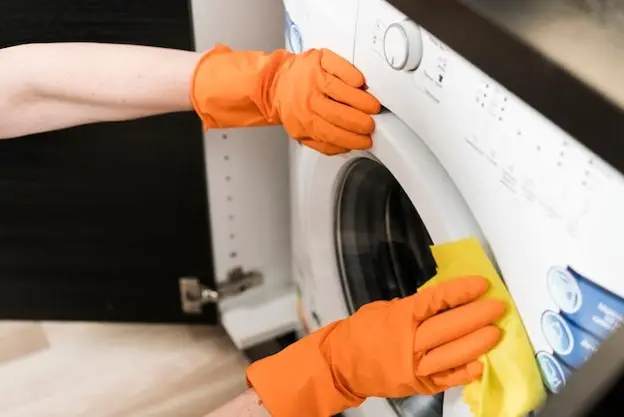
- Wipe door seals and detergent compartments
- Run a hot water cycle with no load
- Clean lint filters and check for clogs
Monthly routine:
- Deep clean the drum using proper solutions
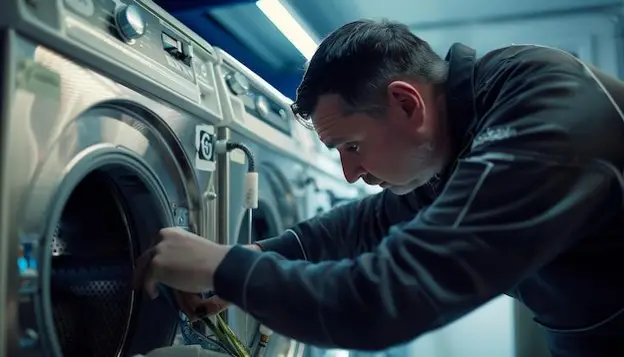
- Inspect hoses, valves, and internal fittings
- Check and replace wornElectrolux washer spare parts if needed
Skipping these steps often leads to recurring odour, even after cleaning.
Why a Laundry Machine Maintenance Kit Matters
Basic wiping and rinsing do not reach internal buildup. A proper laundry machine maintenance kit is designed for deeper cleaning.
These kits are used to eliminate scale, detergent residue, and concealed dirt in pipes and drums. Frequent use maintains efficiency in machines and lessens the damage over time.
Operators who follow structured maintenance often report fewer complaints and smoother machine performance. It also lowers repair frequency.
When Cleaning Is Not Enough

Some odour issues stay even after proper cleaning. That usually points to worn components. Rubber seals, filters and valves are worn out. When they are ruined, they contain moisture and bacteria. Replacing these replacement parts for laundry machines, including speed queen spare parts malaysia, becomes necessary.
One real case involved a laundromat facing repeated odour complaints. Cleaning routines were correct. The issue turned out to be a worn door gasket. Replacing it solved everything. Watch for signs like strange smells, leaks, or slow cycles. These often indicate a part failure, especially in components like huebsch dryer parts.
Practical Habits That Keep Machines Fresh
Small habits make a big difference in preventing odour.
- Always leave machine doors ajar after use to allow air to flow.
- Do not apply too much detergent, since it will form residue.
- Train personnel should be trained to observe warning signs before it happens, e.g., smell or noise.
These easy measures help in the cleaning plan and minimize the problems in the long term.
Building a No-Odour System
A reliable system does not rely on guesswork. It follows a routine. Cleaning, good tools and replacement of parts are employed regularly. Any neglect of a single aspect of the process results in repetitive issues. A structured approach keeps machines fresh, efficient, and ready for heavy use.
The Hidden Cost of Ignoring Odour Issues
Smell is not merely a small nuisance. It has a direct influence on customer trust. Once in a laundromat, people enter, feel a smell, and the machines may look clean, and this makes people start doubting the level of hygiene. In the long run, this results in a decrease in repeat visits. However, a fresh environment, which smells clean, silently develops loyalty and makes customers always keep going back without doubt.
Staff Accountability Improves Consistency
A cleaning schedule can only be effective when it is adhered to by the staff. Distribution of assigned duties prevents missed steps. Every team member ought to be aware of what to clean and at what time. Routines can be made easier to follow by the use of simple checklists located outside machines. Maintenance ceases to be reactive and instead becomes routine when accountability is incorporated in the day-to-day operations.
Timing Matters More Than Effort
It may be more effective to clean at the right time than to clean more frequently. As an illustration, wiping seals immediately after peak hours will ensure that residue does not settle. Conducting regular maintenance programs during low traffic hours will make machines prepared to meet the next rush. Intelligent timing will save time and enhance productivity.
Choosing the Right Cleaning Products
Not every cleaning solution is similar. Strong chemicals can be harmful to the internal parts, whereas weak solutions can be ineffective in eliminating deposits. Safety and efficiency are guaranteed by the use of products that are designed to be used in commercial machines. The correct balance assists in eliminating residue without reducing the life of parts.
Monitoring Early Warning Signs
Machines usually provide minor cues prior to the smell being detected. A faint musty odour, slower rotations or odd noises can be a sign of internal accumulation or wear on parts. These early signs can enable operators to take swift action by paying attention to them. Small problems should be tackled at an early stage to avoid bigger maintenance problems in the future.
Creating a Customer-Friendly Environment
Clean machines are only part of the experience. The overall atmosphere also matters. Customers feel a sense of hygiene through proper ventilation, clean floors and fresh air circulation. Customers will be more willing to rely on the service when everything is new and spend more time in the space.
Long-Term Benefits of a Structured Approach
Regular cleaning and maintenance is more than an odour preventer. It prolongs the life of the machine, saves on the cost of repair, and enhances efficiency. Such benefits accumulate over time. Not only do they eliminate complaints, but they also operate more efficiently and profitably. Laundry shops that operate on these systems are organised in a structured manner.
Preventive Maintenance Saves Unexpected Costs
It is always more costly to wait until a machine breaks down than it is to maintain it. Minor investments in routine care avert big breakdowns that may disrupt operations. By keeping machines in good condition, operators do not have to incur sudden repair costs and loss of business when machines are out of commission.
Consistency Builds Customer Confidence
The customers might be unaware of all the cleaning processes, but they are always aware of the outcome. Fresh-smelling machines and smooth working will provide a feeling of reliability. Such consistency leads to trust over time. Customers like laundromats where they are assured of clean and smell-free clothes.
Reducing Downtime Through Routine Checks
The unexpected breakdown of the machines can disrupt daily operations. Regular check-ups also help in the identification of minor issues before they become uncontrollable. Filter, hose and seal check-ups will ensure that machines will not halt their operation. This is a proactive approach that will make sure that the services run smoothly even during peak hours.
Training Makes a Noticeable Difference
Problems may be identified by well-trained personnel that otherwise would be overlooked. Educating them on detecting residue accumulation or unusual odors, or other signs of premature wear, enhances the quality of maintenance in general. Training also makes sure the routines of cleaning are performed properly, and the chances of having the same problem are minimized.
A Clean System Reflects Professional Standards
The laundromat should have clean and odour-free machines, as this reflects professionalism. It demonstrates care and responsibility towards detail and quality service. This not only helps in attracting new customers but also enhances the brand image. High standards can make a business unique in a competitive market.
Conclusion
Odor problems are preventable. They come from missed routines and delayed maintenance, not from unavoidable issues.
Regular cleaning, a laundry machine repair kit and immediate replacement of parts ensure the clean and efficient running of machines. Companies that remain proactive prevent complaints as well as safeguard their reputation.
That is where Launch Laundry stands out, helping operators maintain machines that customers trust.
FAQs
1. How often should a laundry machine maintenance kit be used?
A maintenance kit should be used at least once a month. High-usage machines may need more frequent cleaning.
2. What are the signs that Electrolux washer spare parts need replacement?
Signs include unusual noise, persistent odour, water leakage, and reduced performance.
3. Can cleaning alone remove all machine odours?
Cleaning helps, but damaged replacement parts for laundry machines often cause recurring smells.
4. Are replacement parts for laundry machines expensive?
Costs vary, but replacing parts early is more cost-effective than major repairs.
5 What is the best way to prevent odour in commercial laundry machines?
Following a consistent cleaning schedule, using a proper laundry machine maintenance kit, and ensuring good ventilation are the most effective ways to prevent odour buildup.
6 How can staff help in maintaining machine hygiene?
Trained staff can monitor early warning signs like unusual smells or residue, follow cleaning routines properly, and report issues before they turn into bigger problems.