


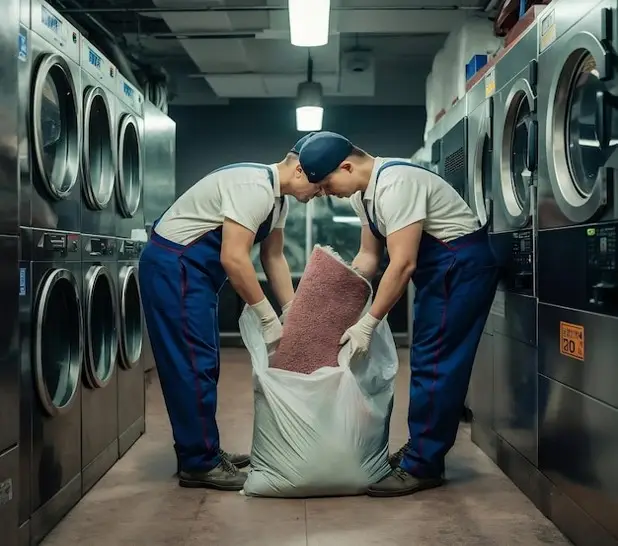
24 Hour Laundromat Operations Checklist
A late-night customer walks into a laundromat at 2:17 AM. No staff. No noise except spinning drums. Machines work. The lights are on. Payment system responds. That one smooth visit decides if they return or never come back.
Running a 24-hour laundromat sounds simple. Keep doors open and machines running. In reality, it’s a system that needs constant attention. This checklist breaks down what actually keeps things running without chaos, especially when using Speed Queen laundromat machines known for heavy-duty use.
Why 24-Hour Laundromats Need Structure
Unattended hours expose every weak point. Equipment, cleanliness, safety, all of it shows. Operators across the industry often notice the same pattern. When machines fail at night or spaces feel neglected, repeat visits drop fast. That’s why many stores rely onElectrolux coin laundry equipment or similar commercial-grade systems designed for long cycles and fewer interruptions. Still, equipment alone won’t save a poorly managed setup.
Daily Operations That Keep Things Stable
Small routines make a big difference. Nothing fancy. Just consistency.
- Check machines for errors, strange noise, or incomplete cycles
- Clean lint traps, folding areas, and detergent trays
- Test payment systems, both coin and digital
- Inspect lighting, cameras, and entry points
Skipping these steps even once can create problems that stack up quietly.
Machine Performance and Uptime
Revenue depends on machines working all the time. Not most of the time. Many laundromats using Alliance commercial laundry machines track basic performance indicators. Nothing too technical. Just simple notes on what breaks and when. Over time, patterns appear. One dryer is overheating. One washer is stopping mid-cycle. That’s where real control begins. Fixing issues early saves money and avoids customer frustration.
Late-Night Readiness Matters More Than You Think
Evenings are the transition point. What happens before midnight often decides how the store performs overnight.
Preparation here should feel almost routine. Surfaces cleaned. Trash cleared. Supplies stocked. Machines tested once more. When everything feels ready, customers notice. They may not say it, but they feel it.
Safety and Customer Confidence

People judge safety within seconds. Bright lighting, visible cameras, and clear instructions create a sense of control.
- Ensure CCTV is active and clearly visible
- Keep lighting strong inside and outside the store
- Display emergency contact details clearly
- Maintain secure entry systems if used
A well-lit laundromat feels safer, even when empty. That alone increases late-night usage.
Maintenance That Prevents Bigger Problems
Machines rarely fail without warning. The signs are small. Easy to miss. Weekly cleaning and inspection help keep things under control. Hoses, filters, drainage, and commercial laundry machine spare parts all need attention. Monthly servicing becomes critical when dealing with high-capacity systems like Electrolux coin laundry equipment. Ignoring maintenance doesn’t save money. It delays costs until they get bigger.
Customer Experience Still Comes First
Even in a self-service setup, experience matters more than expected. Clear instructions reduce confusion. Clean folding areas make the visit easier. Working payment systems remove frustration. Small details carry weight, especially during late hours when no staff is around.
One store owner mentioned something simple. After improving signage, customer complaints dropped sharply.
Handling Peak and Off-Peak Balance
The reality is that not all hours are the same in a 24-hour laundromat. Mornings can be silent, evenings can be busy, and late nights can attract another type of user. Knowledge of this rhythm can ensure that machines are not overloaded during periods of high demand and utilized less during low demand periods. Other operators rearrange the availability of machines or prices to equalize the demand. Controlling customers is not the issue, but simply directing use in order to ensure the existence of machines when they are required.
Smart Inventory Management
There is a shortage of supplies when it is the last thing you need. Cheques should be done on detergent, vending items and even spare change used in the coin systems. The last-minute shortage is avoided by a simple routine of monitoring inventory on a daily basis. Systems with many Speed Queen laundromat machines have a small back stock on-site at many laundromats. It does not cause inconvenience and does not make customers walk out because of something so trivial as the lack of detergent.
Energy Efficiency Without Compromise

Having a 24-hour running will silently raise utility bills. The use of water, electricity and gas accumulates more rapidly than anticipated. Efficient machines such as Alliance commercial laundry machines can minimize waste, yet how one operates is equally important. Switching off lights when idle and watching leaks and load optimization cycles can be seen to make a change in the long run. The savings in this case might be insignificant daily, but accumulate over months, especially when using speed queen industrial laundry systems.
Real-Time Monitoring and Alerts
Technology is increasingly getting involved in the unattended laundromats. A lot of operators implement remote monitoring systems, which send alerts whenever a machine is stopped or a payment is not received. This saves the physical checks, which are required constantly. Even a mere notification system will help avoid hours of downtime. The use of these tools is usually incorporated in stores with modern Electrolux coin laundries to ensure that performance is not affected even in the absence of physical presence.
Staff Scheduling for Support Hours
Even a fully automated laundromat benefits from human presence during certain hours. Peak times may require a staff member for cleaning, troubleshooting, or customer support. Instead of full-day staffing, many owners focus on key windows where assistance has the most impact. This approach keeps costs controlled while still maintaining service quality where it matters most.
Managing Customer Behavior and Usage
There are cases where the unattended stores are misused in terms of machine misuse or mishandling. Signage is important, yet reinforcement should be maintained. Clues that are positioned close to the machines, payment system and entrance points minimize confusion. With time, the system is adopted by regular customers. This is not to impose strict control, but to ensure that behavior is guided in such a way that machines can live longer, and operations remain smooth.
Continuous Improvement Through Observation

Simple observation can often lead to the best improvements. Observing customer movement, where they slow down, or the kind of machines they like, are patterns that can be useful. Other operators retain short notes or camera footage of reviews to get an idea of how they are used. These minor considerations result in improved layout choices, better-placed machines, and a better flow. The laundromat transforms into a place that can naturally work without being interfered with over time.
Backup Systems for Unexpected Downtime
Even the most stable of configurations may encounter some unexpected problems. Slugs in the network, power cuts, or a glitch in payment can come without any notice. Basic backup plans do count. This may include a backup payment procedure, an on-demand quick-response technician, or clear customer instructions in times of outage. It is not the prevention of all the problems, but the minimization of the time it will impact the business.
Cleanliness That Holds Up Overnight
Clean at closing does not mean clean at 3 AM. Dust settles, lint builds up, and trash accumulates faster than expected. A strong cleaning routine before late hours helps, but choosing materials and layouts that stay cleaner longer also matters. Simple things like easy-to-wipe surfaces and well-placed bins reduce how quickly the space feels neglected during unattended hours.
Conclusion
A 24-hour laundromat works best when everything feels predictable. Machines run smoothly. Spaces stay clean. Systems respond instantly. That kind of consistency builds trust without needing constant supervision.
Operations don’t need to be complicated. Just disciplined. The right checklist keeps things steady and profitable over time. Launch Laundry focuses on building laundromat systems that actually hold up under real-world pressure.
FAQs
1. Why are Speed Queen laundromat machines preferred for 24-hour operations?
They are designed for heavy-duty cycles and continuous use, which reduces breakdowns and keeps uptime high.
2. Is Electrolux coin laundry equipment suitable for unattended laundromats?
Yes, it offers reliable performance, efficient energy use, and supports modern payment systems needed for 24-hour setups.
3. How do alliance commercial laundry machines help improve efficiency?
They provide consistent performance and allow operators to track machine usage and detect issues early.
4. What is the biggest mistake in managing a 24-hour laundromat?
Ignoring small daily checks. Minor issues, when overlooked, often turn into major operational problems.
5 How often should maintenance be scheduled for a 24-hour laundromat?
Basic checks should be done daily, with deeper inspections weekly and professional servicing at least once a month.
6 How can laundromat owners improve customer experience during unattended hours?
Focus on clear instructions, reliable payment systems, proper lighting, and consistent cleanliness. When customers can use machines without confusion or delays, they are more likely to