How to Reduce Costs in Your Commercial Laundry Business Malaysia 2026
Having a commercial laundry in Malaysia ensures consistent demand for services, but it also ensures high costs - from electrical, water and detergent consumption, to replacement of various parts and wear and tear of equipment. People only begin to see that they are spending too much money when the profitability starts falling.
Fortunately, most of the expenditures can be brought under control through proper knowledge. It takes very little to save a substantial amount of money each month and yet ensure consistent quality of service.

Contents
- Why Cost Control Matters More in 2026
- Choose Energy-Efficient Machines
- Stick to a Preventive Maintenance Schedule
- Use Genuine Spare Parts, Not Cheap Alternatives
- Optimise Water and Detergent Usage
- Track Utility Usage With Data
- Plan Your Store Layout for Efficiency
- Common Cost Mistakes to Avoid
- Conclusion & FAQs
Why Cost Control Matters More in 2026
The cost of electricity, water, and machinery has been increasing over the past few years in Malaysia, and commercial laundry operations bear the brunt of these increases as their machines operate continuously for long hours throughout the day.
In a laundromat or commercial laundry operation, the cost of utilities and machinery is the second highest after rent. So, an even 10-15% decrease in operational cost can make a substantial impact on your profitability, without any requirement to increase your charges or draw more customers.
Choose Energy-Efficient Machines
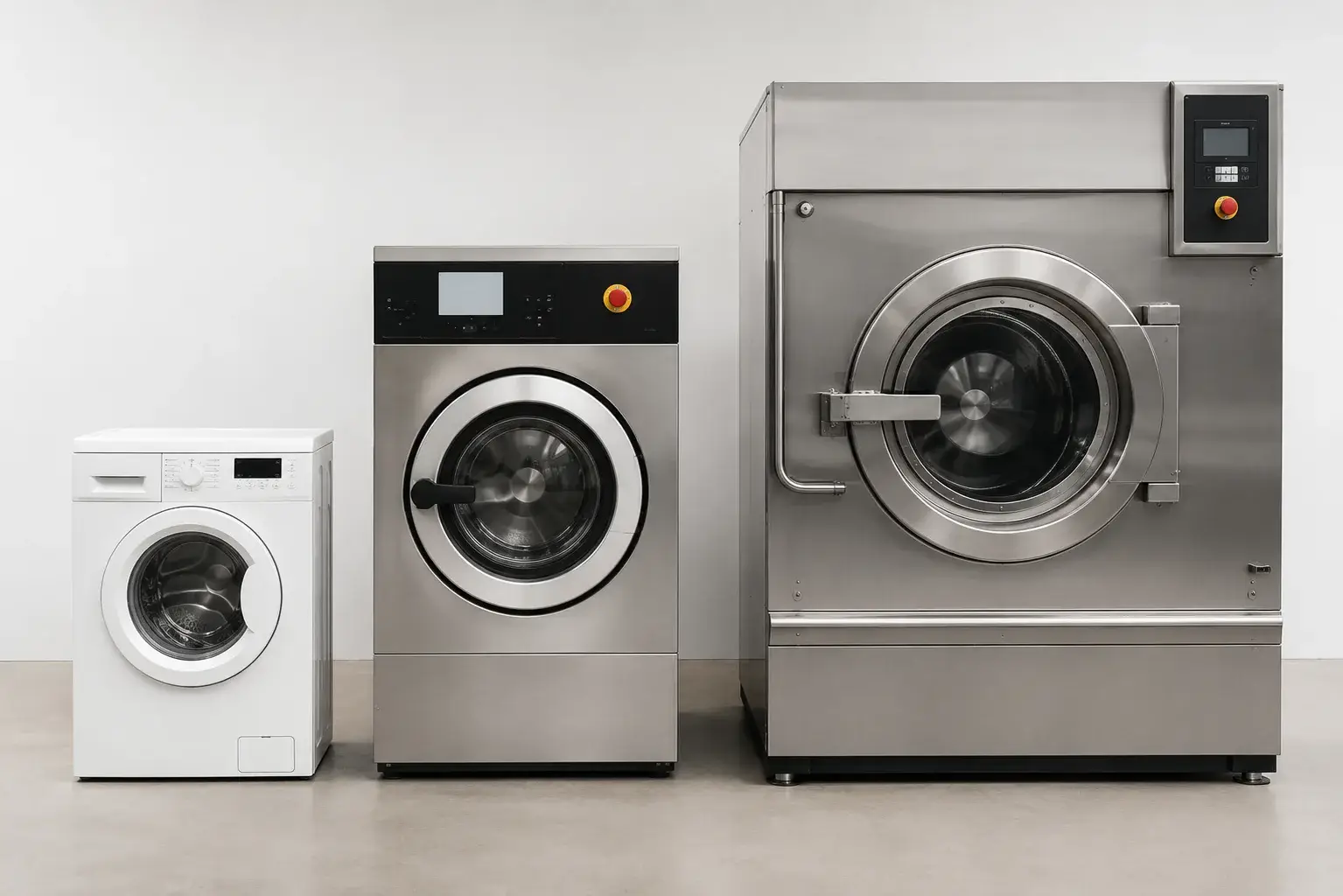
The primary tool in the effort of controlling costs comes down to the washing machine itself. Many old or cheap machines consume a great deal more water and electricity per cycle than new commercial machines.
|
Qualities of the machines to look for: |
|
The reliable commercial products that can be found in Malaysia include brands like LG, Speed Queen, Electrolux, and Bluewhale; all of these have been designed to operate with such efficiency and longevity.
Also know about WALES Series Professional Laundry Equipment
Stick to a Preventive Maintenance Schedule
Even though an inefficient machine is not usually characterized by any clear sign, it silently drains your pocket every day that it operates. Old belts, dusty filters, and imbalanced drums make the machine consume extra energy and water.
A standard preventive maintenance procedure will include:
- Cleaning of filters and lint traps weekly
- Checking of belts’ tension and wear monthly
- Inspection of motors, valves, and sensors every three months
- Replacement of worn-out parts right away, not when it’s too late
Preventive maintenance is much cheaper than any emergency repairs, and each day when the machine is down due to some unanticipated repair is a lost money day as well.
Use Genuine Spare Parts, Not Cheap Alternatives
It might seem cost-effective to use substandard spare parts that are cheaper; however, this could turn out to be a bad move as the substandard spare parts do not last as long, do not fit well, and may put more strain on the other parts – resulting in increased need for maintenance.
Original spare parts for manufacturers such as Speed Queen and Electrolux have been made according to the specifications of the machine, thus making them durable and ensuring efficient operation of the machine.
Optimise Water and Detergent Usage
Excessively using the detergent is not only about the direct financial waste but also means having extra rinse cycles, thus raising the consumption of water and electricity per cycle.
The simplest solutions for optimisation:
- Apply detergent dosing recommendations based on your appliance type and the load weight instead of guessing
- Think of automatic dosing system of the detergent per each cycle
- Check your water hardness, since hard water usually needs different quantity of the detergent
Proper dosing of the detergent will save not only on detergent expenses but also on water and electricity consumption per cycle.
Know more about Top 10 Commercial Laundry Service Tools & Parts for Efficient Operations
Track Utility Usage With Data
Commercial laundry managers often lack an understanding of which machines and when are most expensive for them; all they know is the total cost incurred.
Some of the information that may be gleaned through machine usage monitoring includes:
The individual machines that are using up the most electricity (this could indicate that there is a problem with the machines)
Hours when usage is peaking (information useful for planning purposes)
Changes in the seasonality of water or energy consumption
Some systems available in laundry management software will allow such information to be automatically collected, providing constant access to data about where your expenses are really being incurred.
Plan Your Store Layout for Efficiency
Layout may not have an apparent connection with cost, but the layout is responsible for efficient labor performance and wear of machines. Poor layout leads to increased walking distance for laborers, inefficiencies in loading machines, and unbalanced utilization of machines because there will be machines that will work harder while other machines do not have any use at all.
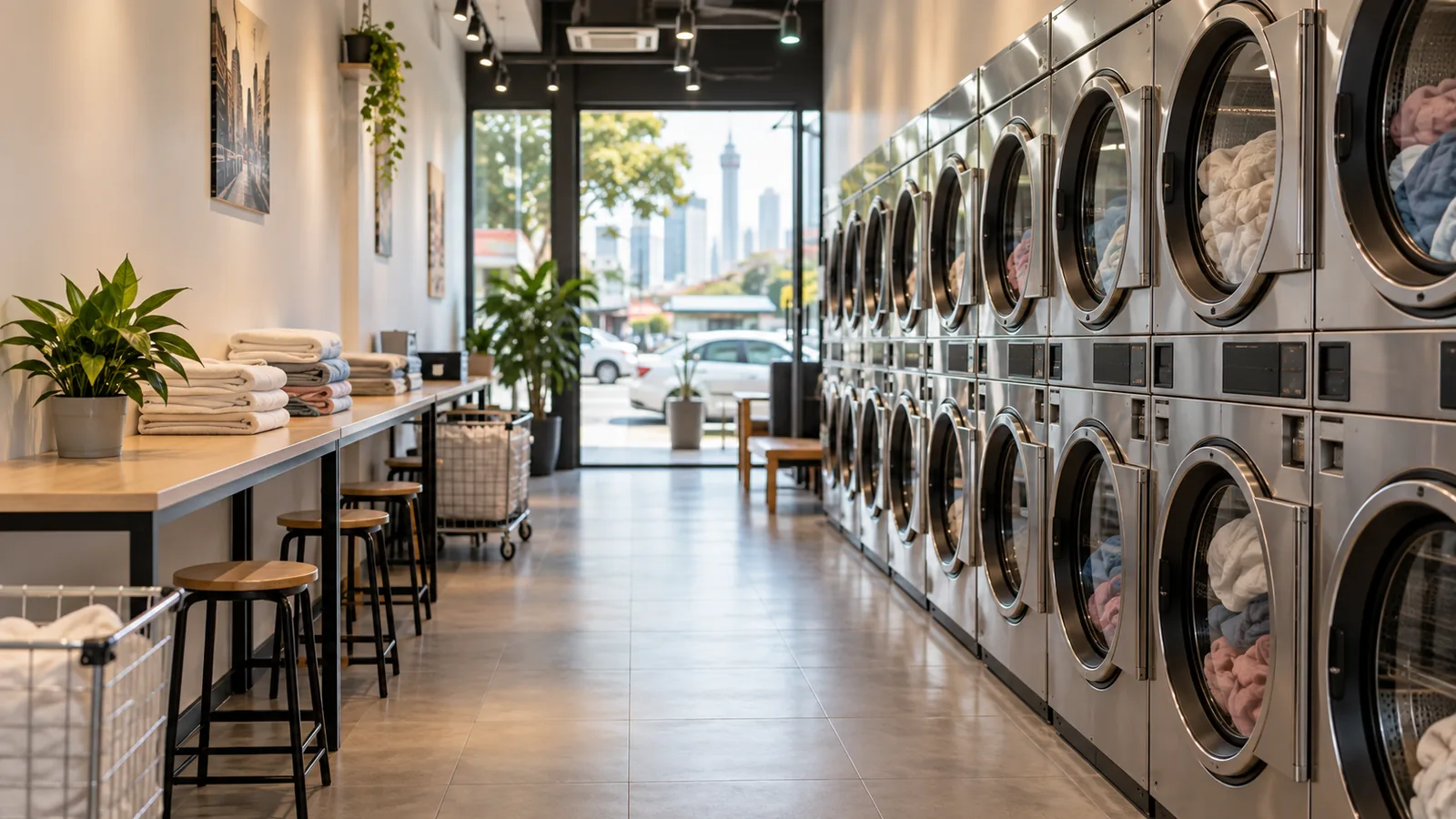
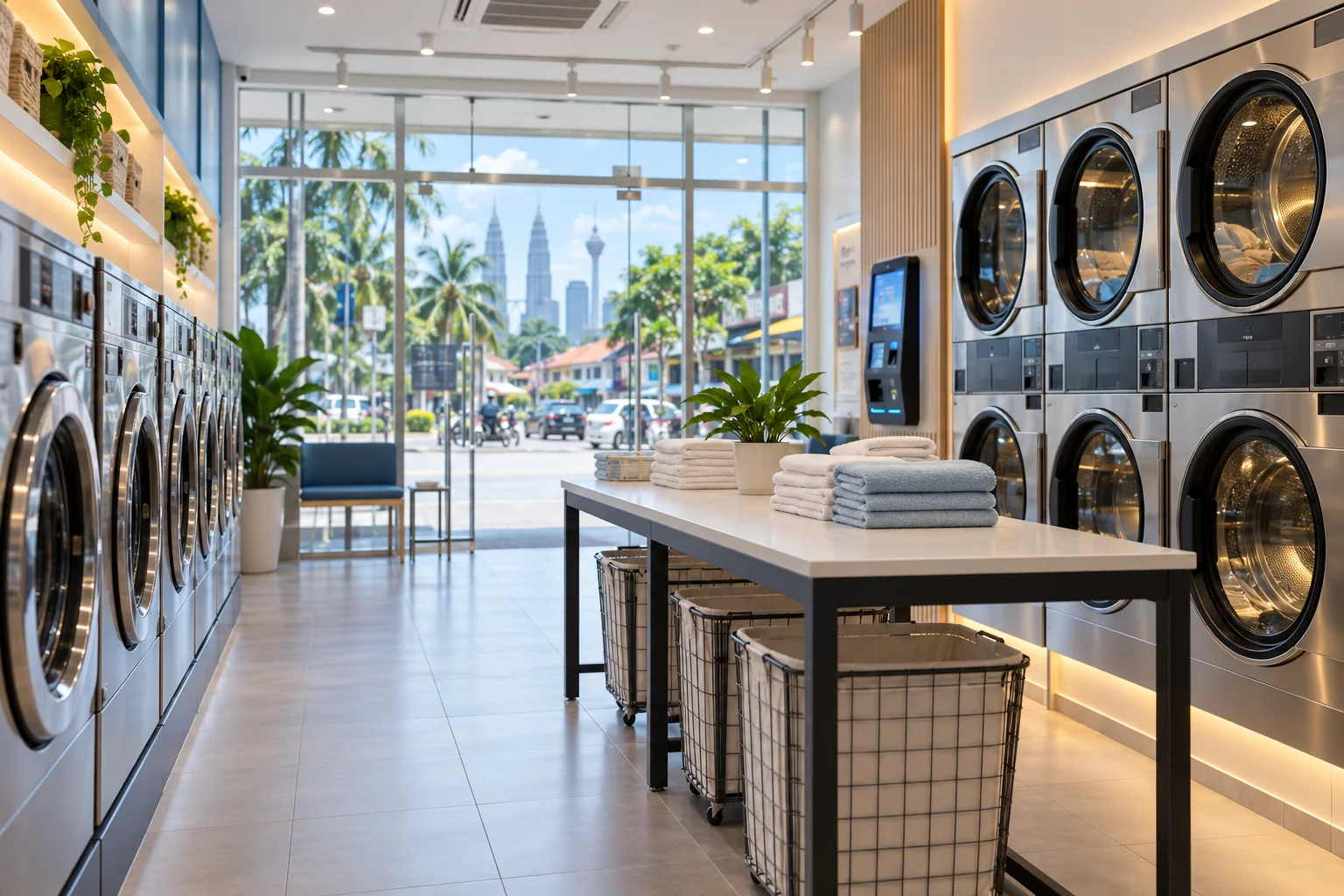
Good layout places washers and dryers in their proper places, keeps detergents easily accessible and makes customer handling easy.
Common Cost Mistakes to Avoid |
|
Conclusion & FAQs
Reducing the expenses incurred in the commercial laundry industry does not mean compromising on quality; it is simply a matter of making wiser decisions in selecting machinery, maintaining it, and operating it. The combination of energy-efficient machinery, using genuine spare parts, and a strict maintenance regime will have the greatest impact on your business budget every month.
If you are considering the installation of new machinery, sourcing of genuine spare parts, or advice on how to reduce your expenses while running a commercial laundry business in Malaysia, Launch Laundry has been assisting laundry business establishments all across Malaysia since 2013 - with brands like LG, Speed Queen, Electrolux, Bluewhale, genuine spare parts, feasibility study, and complete installation support among others.
What is the biggest cost driver in a commercial laundry business?
The cost of utilities – especially electricity and water – is almost always the largest recurring cost after paying the rent. Efficiency of the machines is an important consideration here, which is why investing in energy-efficient commercial washers and dryers can make such a big impact.
Do genuine spare parts really make a cost difference?
Yes. Genuine parts will fit well and function according to the specifications for which they were designed. Using non-genuine parts is likely to shorten their life span and increase the pressure on the other parts of the washing machine.
How often should commercial laundry machines be serviced?
A good rule of thumb would be to clean filters on a weekly basis, check belts and wear on a monthly basis, and perform complete inspection of motors and valves on a quarterly basis.
Can automated detergent dosing really save money?
Yes. Automatic dosing makes sure that the right amount of detergent is used with each load of clothes. This not only eliminates the need to guess how much detergent to use, but it saves money by avoiding rewashes.
Is it worth upgrading to more energy-efficient machines?
Yes, in case of most business-oriented laundry operators. The high initial costs get compensated due to the savings realized from lower usage of electricity and water in each wash cycle.