
Your first laundromat taught you more than any guide could. You know which machines get used first, which hour is the rush, and which complaint you hear every other week. That’s a real advantage, and it’s exactly why a second branch is tempting.
But a second shop isn’t just the first one again. Some things transfer neatly. Others break the moment you stretch yourself across two sites. This guide goes through what to reuse, what to rethink, and how to decide whether the second unit is even the right move yet.
First Question: Is the First Branch Ready to Be Copied?
Before you sign a second lease, look hard at the first shop. Launch Laundry’s revenue team points out that many laundromats plateau after launch, stuck with flat daily machine utilisation, too much dependence on self-service walk-ins and little difference from nearby outlets.
If that sounds like your shop, a second branch may only double a mediocre result. The site describes a target utilisation of 70 to 80% cycles per day, and suggests dynamic pricing, bundled packages and add-on services as ways to lift revenue per outlet. If your first unit still has room to grow, the revenue generation and scale-up service is worth a look before you commit more capital.
A rough test: if your first branch runs smoothly without you standing in it every day, you’re probably ready. If it falls apart when you take a week off, fix that first.
Optimise the First Unit or Open the Second?
| Signs You Should Optimise First | Signs You’re Ready to Expand |
|---|---|
| Machines sit idle for long stretches | Machines are busy at peak hours, with queues |
| Breakdowns keep interrupting trading | Maintenance runs on a routine, not emergencies |
| You can’t explain your numbers clearly | You track utilisation, costs and breakeven |
| Cash flow feels tight | You have a reserve for repairs and slow months |
| Customers don’t return often | You have regulars and a steady base |
Be honest with yourself here. Expansion rewards a strong system, and it punishes a weak one twice as hard.
What You Can Reuse
Your machine mix and layout thinking
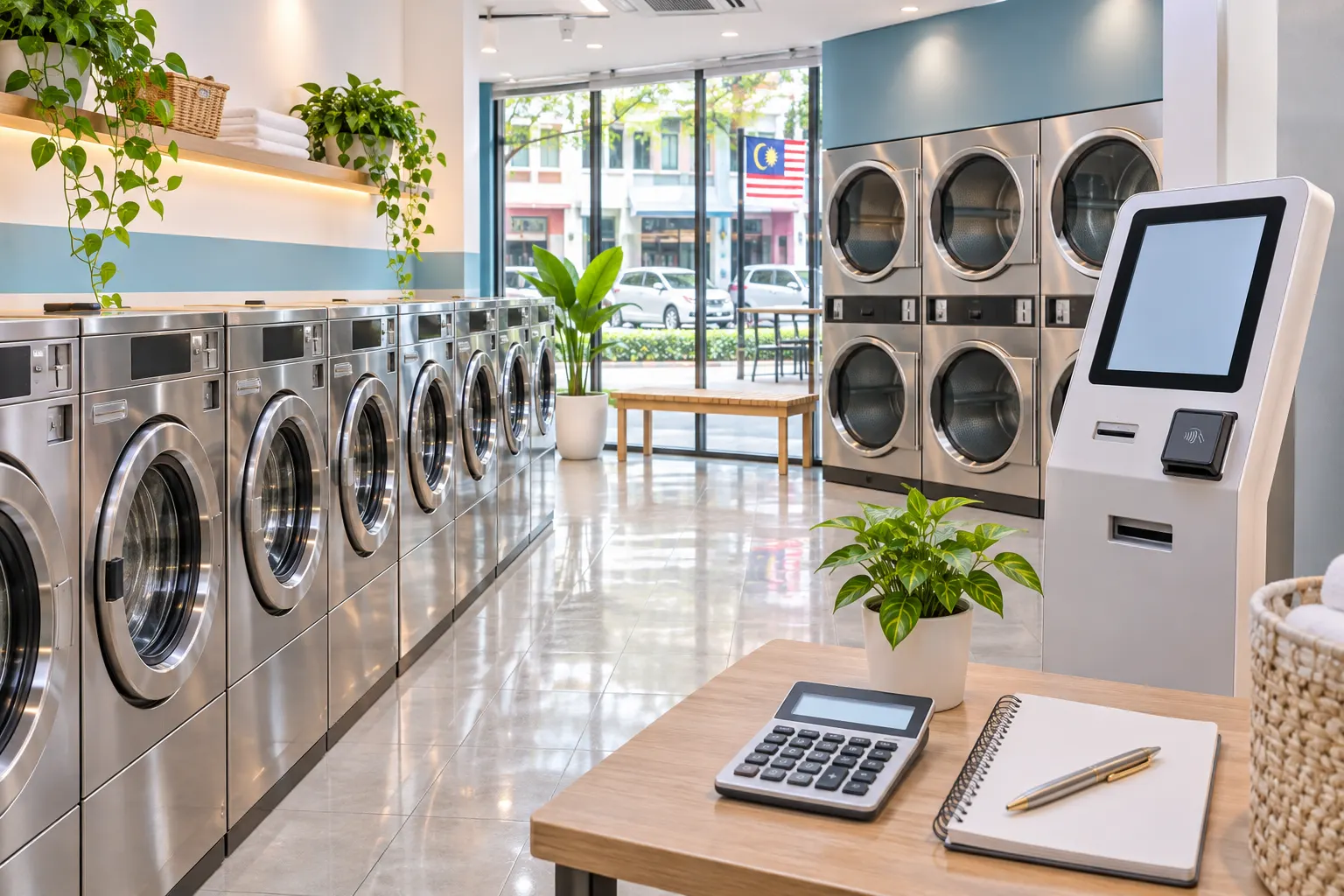
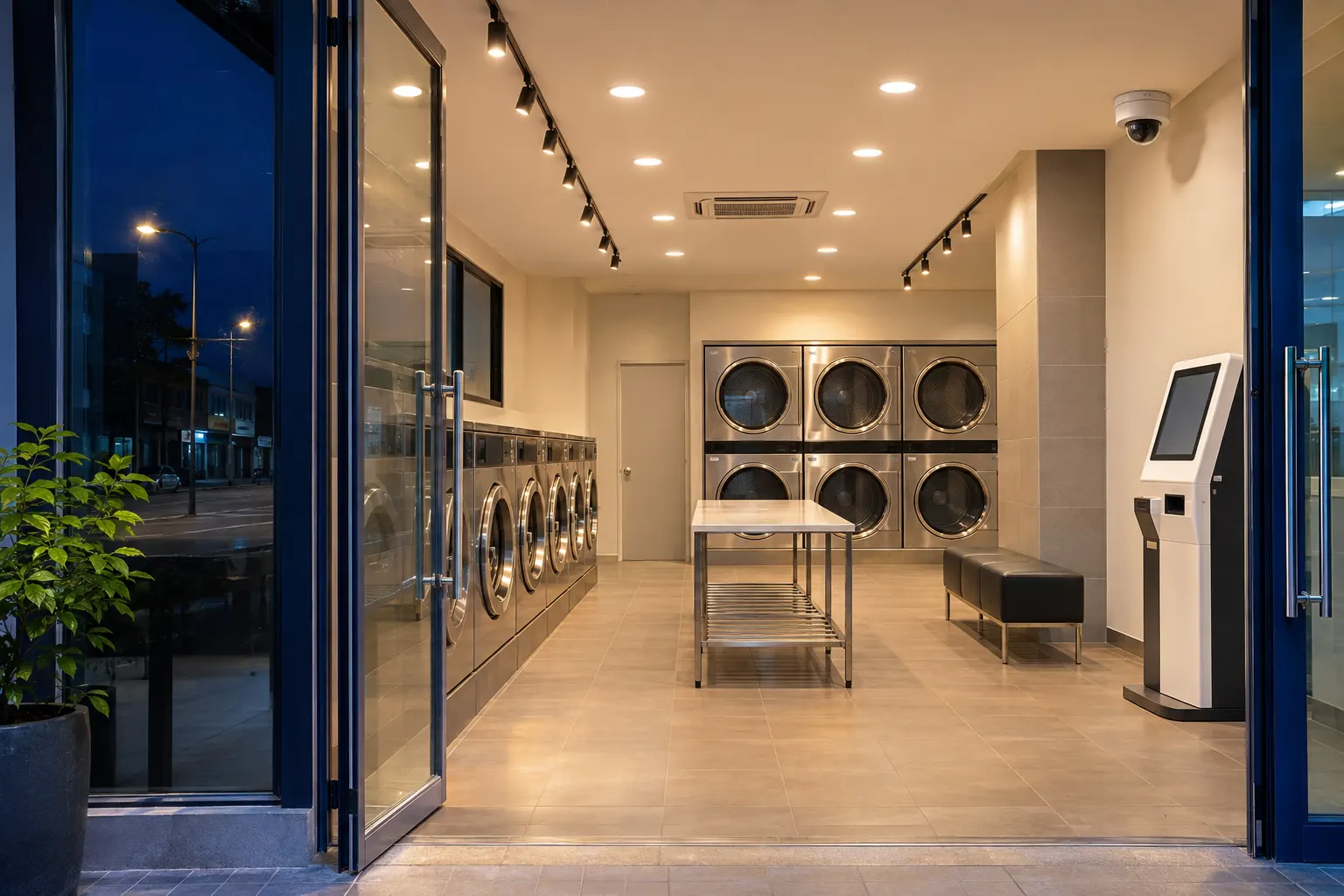
You already know which capacities and ratios worked. Launch Laundry’s multi-outlet setup approach centres on a repeatable layout and machine mix strategy, with a standardised planning process across outlets. If the first shop’s layout, with washers at the front, dryers at the back and detergent vending near the entrance, suits customers well, there’s a good chance it will work again, adjusted for the new floor plan.
The multi-outlet setup support also includes a commissioning structure and handover process, which saves you from reinventing the opening routine every time.
Supplier relationships
Buying from the same trusted source gives you consistent equipment, familiar parts and one number to call. The consultancy side of the site mentions vendor negotiation to secure better procurement terms, and bulk purchasing of detergents and consumables as a way to cut costs. A second branch gives you more buying power, so use it.
Brand and branding assets
If you’ve invested in a logo, colours, signage and loyalty system, this is where it pays off. Launch Laundry’s branding work stresses cohesive identity from the store sign to the digital ads, and the idea that customers see branded outlets as more reliable. The same look in a second location helps people recognise you. The promotion and branding service for laundromats is helpful if you want to tidy up your identity before you duplicate it.
Pricing logic and customer programmes
Your pricing method, off-peak offers and loyalty system can move across with tweaks. Just don’t copy rates blindly, because rent, competition and customer mix will differ. For a refresher on the thinking, see how to set wash and dry rates that cover your costs.
What You Need to Rethink
Location selection, all over again
Your first spot worked for its own reasons. A second spot needs its own research. The research planning service looks at population density, target audience, competitor mapping within a 2 to 5 km radius, footfall and utility reliability, plus market saturation risk. That last point matters more when you open a second branch, especially if it sits close to your first and takes customers from it.
A proper feasibility study for laundry businesses gives you numbers for the new area before you commit, including a 3-year profit and loss and breakeven point. It’s the cheapest insurance you can buy.
Your cash flow and funding
A second shop eats cash at the start while your first keeps you afloat. Launch Laundry’s finance side recommends tracking monthly income against expenses, keeping a reserve fund for maintenance and emergencies, and forecasting seasonal swings, such as student holidays and festive periods. It also describes advisory on bank loans, private equity and revenue-sharing structures for multi-investor setups.
The site offers one reference for a standard 8-washer, 8-dryer laundromat, quoting startup costs of RM 280,000 to RM 320,000, depending on machine brand and location. Your second branch will have its own number, so run the finance advisory for laundry startups maths before you borrow. If you want to test returns yourself first, this walkthrough on estimating laundromat ROI in Malaysia helps.
Who runs what
Here’s the big shift. In the first shop, you were the system. With two shops, you need written processes. The revenue service talks about standard operating procedures for multi-outlet consistency, and the maintenance team notes that documentation matters most when you scale to multiple outlets.
Write down your opening routine, cleaning schedule, complaint handling, refund rules and who to call when a machine fails. If a new person can follow it without you, you’re ready.
Central Spare Parts and Maintenance Across Two Sites
When one machine fails, you drive over. When two shops have failures at once, you need a plan. Launch Laundry’s maintenance team recommends building a basic critical spare parts list so you aren’t stuck waiting when a high-failure part goes out.
For a two-branch setup, consider keeping a small shared stock of the parts that fail most often, matched to the machine models you use. Using the same brand across branches makes this much easier, because one set of parts fits both. You can check genuine spare parts for coin laundry machines in Malaysia to plan your stock.
Plan your servicing too. The maintenance and repair service for commercial laundry machines offers three plans, Essential, Growth and High-Volume, based on usage, and the team says most outlets benefit from servicing every 4 to 12 weeks. Pick the plan that fits each shop’s volume instead of treating them as identical.
Remote Monitoring Across Branches
Managing two shops by walking in and out doesn’t scale. The strategy and revenue pages both point to IoT-enabled machine monitoring as a way to reduce downtime and maximise cycle counts. With monitoring, you can see what’s running, what’s idle and what’s faulty in both locations from your phone.
Combine that with cashless payment and you cut cash handling at two sites, too. The thinking in the post on attended versus unattended laundromats applies directly if you’re deciding how much staff each branch needs.
Common Expansion Mistakes
- Expanding too early. Opening a second shop to fix a weak first one only spreads the problem.
- Copy-pasting the first shop. Different area, different customers, different rent.
- Ignoring saturation. A close second branch can steal from the first.
- Underestimating cash needs. Ramp-up takes time and money.
- Skipping written processes. What lives in your head won’t scale.
- Neglecting maintenance planning. Two shops mean twice the failure risk.
- Losing track of numbers. Track each branch separately, or you won’t know which one is struggling.
For a wider look at what goes wrong, read through the usual laundromat owner mistakes in Malaysia before you commit.
Own It or Franchise It? A Quick Note
At some point, you may wonder whether to keep opening your own units or bring in partners. The consultancy side of the site includes franchise versus independent ownership financial projections, and the revenue team offers franchise development support, including branding, manuals and training systems. The comparison of franchise versus independent laundromat models can help you think it through, and the business consultancy for laundromat investors provides a financial model with a 3-year projection and breakeven timeline.
Seeing how others have grown helps too. Browse the laundromat case studies for real examples before you set your own plan.
Frequently Asked Questions
1. When is the right time to open a second laundromat?
When your first branch runs smoothly, tracks its numbers and keeps cash in reserve, not when it’s struggling.
2. Can I reuse my first branch’s machine mix?
Often yes, as a starting point. Launch Laundry’s multi-outlet approach is built around a repeatable layout and machine mix, adjusted to each site.
3. How do I choose a location for the second branch?
Do fresh research on population, competitors within 2 to 5 km, footfall, rent and utility reliability, and check for saturation risk against your first shop.
4. How much will a second laundromat cost?
The site gives a reference of RM 280,000 to RM 320,000 for a standard 8-washer, 8-dryer setup, but your cost depends on brand, size and location. Get a quote for your own plan.
5. Should I keep a stock of spare parts for both branches?
It helps. A short list of critical parts for your most common machine models keeps downtime low.
6. How do I manage two branches remotely?
Use machine monitoring, cashless payments, written procedures and a regular maintenance plan for each site.
7. Should I franchise instead of opening branches myself?
It depends on your goals and capital. Compare projected costs and returns for both models before deciding.
8. Can Launch Laundry help with multi-outlet planning?
Yes. The setup service includes a Multi Outlet Package with standardised planning, repeatable layouts, scaling guidance and a commissioning structure.
Grow With a System, Not Just a Second Lease
A second branch should feel like the same business in a different place, not a new gamble. Check that the first shop is healthy, reuse what worked, rethink the location and the cash plan, and write down your processes so the shop can run without you in it.
If you want a second opinion on timing, numbers and layout, the Strategy Lab growth plans lay out a 3 to 5 year plan for scaling from one store to many. When you’re ready, you can book a business growth consultation and map out your next move with the team.