


Complete Preventive Maintenance Schedule for Coin Laundry Owners
One broken dryer on a busy Sunday can ruin an entire week’s profit. That sounds dramatic. It really is not.
A laundromat owner in Kuala Lumpur shared how a small drain blockage turned into a flooded floor, damaged wiring, angry customers and three machines sitting dead for days. The repair bill hurt. Lost customer trust hurts more. Most of it could have been avoided with a proper maintenance routine and the right coin laundry machine spare parts kept on hand.
Commercial laundry equipment works hard every single day. Heat, vibration, detergent buildup, coins, lint and moisture. Nothing gets a break. Machines slowly wear down even when everything looks “fine” from the outside.
A smart preventive maintenance schedule keeps equipment running longer, lowers repair costs, improves customer experience and protects monthly revenue. This blog breaks down exactly what coin laundry owners should inspect daily, weekly, monthly, quarterly and yearly without turning maintenance into a full-time job.
Why Preventive Maintenance Matters in a Coin Laundry
Reactive repairs cost more. Every laundromat owner learns that sooner or later. One failed bearing can damage a drum. A clogged dryer vent can overheat the heating system. A loose hose can leak into electrical parts. Problems grow quietly. Then one day, the machine stops mid-cycle with a customer staring at it.
Preventive maintenance helps avoid:
- expensive emergency repairs
- machine downtime
- customer complaints
- utility waste
- early equipment replacement
Modern systems like Electrolux coin laundry equipment and Speed Queen laundromat machines are built for durability, but even premium commercial machines need regular care. High-capacity washers and dryers run thousands of cycles every year. That wear adds up fast.
Industry reports from laundromat operators show that preventive servicing can extend commercial machine lifespan by several years while reducing emergency breakdowns by nearly 30%. That is not a small number.
Daily Coin Laundry Maintenance Tasks
Daily checks are quick. Most take only a few minutes. Yet these small routines catch problems before they turn ugly.
Inspect Washer Doors and Locks
Door locks take constant abuse. Slamming doors weakens hinges and latch systems over time.
Check for:
- cracked handles
- loose hinges
- slow locking response
- water leaks around seals
A worn door gasket can slowly leak water under the machine. Moisture damage spreads quietly.
Clean Dryer Lint Traps
Lint buildup is one of the biggest causes of dryer inefficiency and overheating. Clean traps thoroughly every day. Not halfway. Not “good enough.”
Heavy lint accumulation:
- increases drying times
- raises energy bills
- strains heating components
- creates fire risk
Busy laundromats may need lint cleaning several times daily.
Check Coin Mechanisms and Payment Systems
Coin jams frustrate customers instantly.
Inspect:
- coin slides
- digital payment readers
- QR payment systems
- receipt printers
Dust and detergent residue slowly interfere with sensors and moving parts.
Wipe Machine Surfaces
Customers notice cleanliness first. Dirty machine tops, soap stains and unpleasant smells create a bad impression even if the equipment works perfectly. Regular wiping also helps identify leaks early.
Weekly Maintenance Schedule
Weekly servicing goes slightly deeper. Nothing too technical yet.
Inspect Water Hoses and Connections
Commercial washers vibrate constantly. Hoses loosen over time.
Look for:
- cracks
- swelling
- loose clamps
- tiny leaks
- rust around fittings
Replacing a cheap hose early prevents major water damage later.
Clean Detergent Dispensers
Soap residue hardens slowly inside dispensers. Fabric softener buildup gets nasty after a while. Warm water cleaning keeps chemical flow consistent and prevents blockages.
Vacuum Behind Machines
Dust and lint collect heavily behind commercial dryers. Restricted airflow reduces efficiency and overheats components. Vacuuming helps protect motors and heating systems.
Test Emergency Shut-Off Systems
Every laundromat should test emergency stops and electrical protection systems regularly. Small safety checks matter more than people think.
Monthly Preventive Maintenance Checklist
Monthly servicing is where laundromat owners catch wear before breakdowns happen.
Inspect Belts and Bearings
Worn belts squeal. Bearings rumble. Machines often warn owners before complete failure.
Signs include:
- shaking during spin cycles
- grinding noises
- burnt smells
- inconsistent drum movement
Ignoring those noises rarely ends well.
Check Drain Systems
Drain blockages slowly develop from lint, dirt, coins, hair and detergent sludge.
Slow-draining washers:
- increase cycle times
- strain pumps
- create overflow risks
Professional drain flushing every few months helps prevent larger plumbing issues.
Lubricate Moving Components
Certain commercial machines require periodic lubrication. Always follow manufacturer guidelines. Over-lubrication causes problems too. Some newer systems need little or no manual lubrication at all.
Inspect Heating Systems
Dryers should heat evenly and consistently.
Uneven temperatures may indicate:
- heating element wear
- sensor problems
- airflow restrictions
- gas valve issues
Commercial dryers losing heat efficiency usually consume more electricity long before complete failure happens.
Quarterly Maintenance for Commercial Laundry Equipment
Quarterly maintenance is more detailed and often involves trained technicians. This stage protects long-term machine performance.
Deep Clean Dryer Exhaust Systems
Lint buildup inside vent systems becomes dangerous over time.
Professional vent cleaning improves:
- drying speed
- energy efficiency
- airflow
- fire prevention
Large laundromats with heavy dryer usage should never skip this.
Inspect Electrical Components
Electrical issues often hide quietly until a machine suddenly shuts down.
Inspect:
- wiring connections
- terminal blocks
- circuit boards
- breakers
- contactors
Burn marks, corrosion, or overheating signs require immediate attention.
Calibrate Water Levels and Temperatures
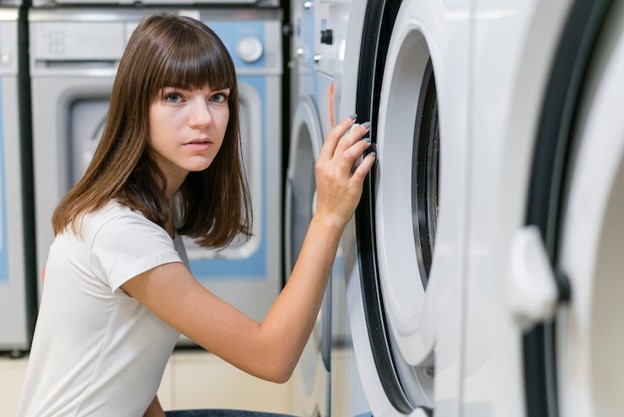
Incorrect water levels waste utilities and reduce washing quality. Modern Electrolux coin laundry equipment often includes programmable controls that require occasional calibration checks to maintain optimal performance.
Replace High-Wear Spare Parts
Some components wear predictably after heavy use. A proper inventory of coin laundry machine spare parts reduces downtime dramatically. Waiting days for replacement parts during peak business periods can become expensive very quickly.
Common replacement items include:
- belts
- drain valves
- door gaskets
- water inlet valves
- thermostats
- sensors
Annual Preventive Maintenance Inspection
Yearly servicing should be comprehensive. Professional inspections help uncover hidden issues most owners miss during regular checks.
Full Mechanical Inspection
Technicians inspect:
- drum alignment
- suspension systems
- bearings
- drive assemblies
- motor systems
Commercial machines slowly shift out of alignment after years of vibration.
Replace Ageing Components
Certain parts should be replaced before failure happens, especially in high-volume laundromats. Preventive replacement often costs far less than emergency repair work plus business interruption.
Review Utility Efficiency
Water and energy costs quietly eat profit margins.
Annual efficiency reviews help identify:
- excessive water usage
- inefficient heating
- dryer airflow problems
- ageing machine performance
Older systems may consume significantly more utilities than newer commercial models.
Best Maintenance Tools Every Coin Laundry Owner Should Keep
A small maintenance station saves time and stress. Every laundromat should keep a basic set of commercial laundry service tools and parts ready for quick servicing.
Recommended items include:
- screwdrivers
- adjustable wrenches
- hose clamps
- voltage tester
- replacement belts
- drain cleaning tools
- spare door latches
- machine cleaning chemicals
- thermal sensors
- backup water hoses
A proper laundry machine maintenance kit helps owners handle minor issues immediately instead of waiting for service calls. That waiting time hurts more than many people realise.
Common Maintenance Mistakes Laundromat Owners Make
Not every breakdown comes from neglect. Some happen because of poor maintenance habits.
Overloading Machines
Customers overload washers constantly.
Heavy loads strain:
- bearings
- motors
- suspension systems
- belts
Visible signage helps reduce abuse.
Ignoring Small Noises
Tiny rattles become expensive failures later. Commercial machines rarely “fix themselves.”
Delaying Spare Part Replacement
Temporary fixes usually become permanent problems. Cheap, worn parts often damage expensive components nearby.
Skipping Professional Servicing
Basic cleaning helps. Professional servicing still matters. Technicians spot wear patterns and electrical issues that many owners simply cannot see.
Maintenance Tips for Speed Queen Laundromat Machines
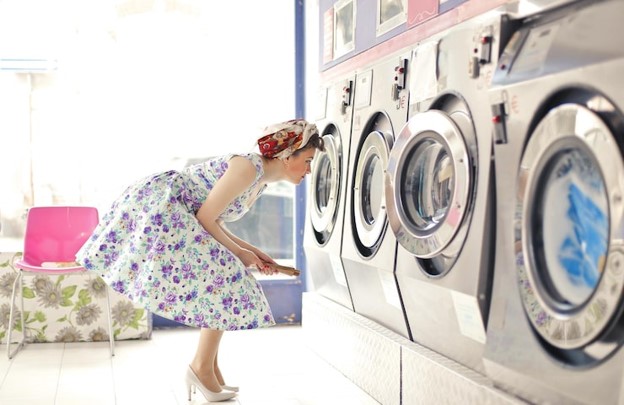
Many laundromat owners choose Speed Queen laundromat machines because of their durability and long operating life. Still, even strong machines need attention.
Speed Queen maintenance priorities often include:
- checking suspension systems
- cleaning drain valves
- inspecting coin mechanisms
- monitoring belt wear
- cleaning dryer vents frequently
High-traffic stores may need more aggressive servicing schedules due to constant daily usage.
Maintenance Tips for Electrolux Commercial Laundry Systems
Modern Electrolux coin laundry equipment includes advanced controls and energy-efficient systems.
Routine care should focus on:
- software diagnostics
- sensor calibration
- water inlet systems
- heat control systems
- moisture sensors
Digital systems improve efficiency, though they also require trained servicing when electronic faults appear.
Regular firmware updates and diagnostic testing help maintain performance stability.
How Preventive Maintenance Increases Profitability
Maintenance is not just an expense.
Well-maintained laundromats often generate:
- better customer reviews
- lower utility costs
- fewer refund requests
- longer machine lifespan, higher customer retention
Clean, reliable machines quietly build customer trust. People return to laundromats where machines simply work every time.
Funny thing is, customers rarely compliment functioning equipment. They absolutely remember broken machines, though.
Creating a Simple Maintenance Log
A maintenance log keeps servicing organised and consistent.
Track:
- service dates
- replaced parts
- machine issues
- technician visits
- recurring breakdowns
- utility irregularities
Patterns become easier to spot over time.
One washer repeatedly overheating may indicate a deeper electrical issue. Frequent dryer belt failures may reveal overloaded usage habits. Good records reduce guesswork.
When to Call a Professional Laundry Technician
Not every repair should become a DIY project.
Professional help is necessary when dealing with:
- electrical faults
- gas system problems
- control board failures
- major leaks
- drum alignment issues
- repeated overheating
Attempting complex repairs without proper training sometimes creates larger repair bills later.
That happens more often than people admit.
How Seasonal Changes Affect Coin Laundry Machines
Weather conditions quietly affect commercial laundry equipment more than many owners expect. Humid environments increase moisture buildup inside dryers and electrical systems, while colder months often put extra pressure on heating components. Rainy seasons also bring heavier customer traffic in many self-service laundry machine maintenance kit, which means machines operate longer hours with fewer breaks in between.
Routine seasonal inspections help reduce stress on high-use equipment. Dryer airflow systems should be checked more frequently during humid periods because lint absorbs moisture quickly and blocks ventilation faster. Water inlet systems, drainage performance and temperature controls should also be monitored closely to keep machines operating efficiently throughout changing weather conditions.
Conclusion
Preventive maintenance keeps a laundromat alive. Machines last longer, customers stay happier and costly breakdowns become far less common. Daily cleaning, scheduled inspections, proper spare parts management and professional servicing all work together to protect the business.
Small maintenance habits create big long-term savings. A clogged vent today can become a shutdown tomorrow. A loose belt today can destroy a motor next month.
Reliable laundromats are rarely lucky. They are maintained properly, consistently and carefully. For professional support, machine servicing, spare parts supply and commercial laundry solutions, Launch Laundry continues to help laundromat owners build stronger and more efficient operations.
FAQs
How often should commercial laundry machines be serviced?
Daily cleaning is important, while deeper preventive maintenance should happen weekly, monthly, quarterly, and annually depending on machine usage.
What are the most important coin laundry machine spare parts to keep in stock?
Important spare parts include belts, door seals, water valves, drain pumps, thermostats, sensors, and replacement hoses.
Why do commercial dryers overheat frequently?
Dryers usually overheat because of blocked vents, excessive lint buildup, poor airflow, or damaged heating components.
Does preventive maintenance really increase machine lifespan?
Yes. Regular servicing reduces wear on motors, pumps, bearings, heating systems, and electrical components.
What is included in a laundry machine maintenance kit?
A standard laundry machine maintenance kit often includes hand tools, clamps, replacement hoses, belts, cleaning chemicals, and testing equipment.
How often should dryer vents be professionally cleaned?
Busy laundromats should perform professional vent cleaning every few months depending on machine usage levels.
Are Speed Queen laundromat machines easy to maintain?
Many owners consider Speed Queen laundromat machines durable and relatively simple to maintain with consistent servicing.
What maintenance is required for Electrolux coin laundry equipment?
Electrolux coin laundry equipment requires sensor calibration, airflow inspections, software diagnostics, and regular cleaning routines.
Why is preventive maintenance important in laundromats?
Preventive maintenance reduces breakdowns, lowers repair costs, improves customer satisfaction, and protects business revenue.
Which commercial laundry service tools and parts are most useful for quick repairs?
Voltage testers, hose clamps, screwdrivers, replacement belts, drain cleaning tools, and spare valves are commonly used for quick servicing tasks.