


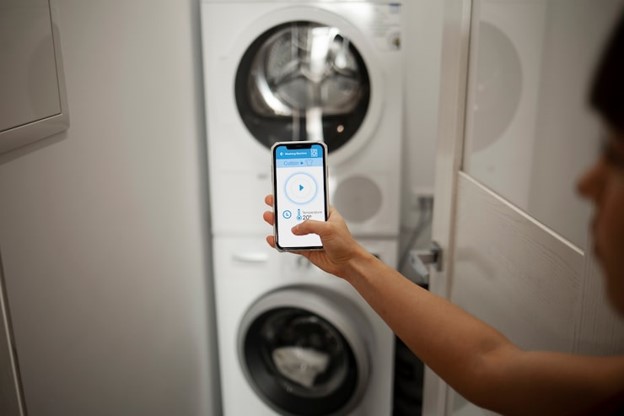
How Smart Sensors Are Changing Commercial Laundry Machine Maintenance
A hotel laundry manager in Kuala Lumpur noticed something odd last year. One dryer kept running hotter than normal. Nothing looked broken. No loud noise. No smoke. Staff almost ignored it.
Three days later, the system flagged a warning through the machine dashboard. Airflow restriction. The problem turned out to be a clogged filter and a worn belt. A quick repair solved it before the dryer failed.
Ten years ago, that same issue could have shut down operations for days. That shift is exactly why smart maintenance is becoming a major part of modern laundry operations. Commercial laundries no longer rely only on technicians checking machines manually. Sensors now monitor temperature, vibration, water flow, energy usage, motor performance, and cycle behaviour in real time.
Many businesses using Speed Queen industrial laundry systems and advanced washer platforms are already seeing lower repair costs, fewer breakdowns, and longer machine lifespan because of this technology.
This blog breaks down how smart sensors work, why they matter, what problems they prevent, and how commercial laundries are changing the way they handle maintenance.
Smart Sensors Are Quietly Reshaping Commercial Laundry Rooms
Commercial laundry rooms used to follow a simple pattern.
- A machine breaks.
- Operations stop.
- Technicians arrive.
- Parts get replaced.
- Money disappears.
That reactive model still exists in many facilities. Hospitals, hotels, laundromats, and industrial laundry operations lose thousands every month because maintenance starts too late.
Smart sensors changed the timeline. Machines now collect operational data constantly. Tiny monitoring systems inside washers and dryers track performance every second. The machine notices problems before staff can see them.
That is the biggest difference. Instead of reacting to damage, businesses prevent damage.
What Smart Sensors Actually Monitor
Modern commercial laundry equipment contains several types of monitoring technology. Each sensor tracks a different part of machine performance.
Temperature Sensors
Heat levels inside dryers and washers are monitored continuously.
Abnormal heat often points to:
- blocked airflow
- failing heating components
- overloaded systems
- motor strain
Dryers in busy laundromats especially benefit from this because overheating remains one of the most common causes of breakdowns.
Vibration Sensors
A washer should move in a predictable pattern.
Excess vibration usually signals:
- bearing wear
- drum imbalance
- loose mounting
- motor problems
Maintenance teams can identify issues early before larger internal damage happens.
Water Flow Sensors
Commercial washers depend heavily on proper water pressure and flow rates.
Smart flow monitoring helps detect:
- leaks
- clogged valves
- blocked filters
- inefficient rinse cycles
Water waste drops significantly when these sensors work correctly.
Energy Monitoring Sensors
Power consumption tells a bigger story than most operators realise.
A sudden spike in electricity use may indicate:
- motor stress
- failing heating systems
- inefficient cycle settings
- aging components
Several operators using Electrolux commercial laundry machines now rely on energy analytics dashboards to track machine efficiency daily.
Predictive Maintenance Is Replacing Emergency Repairs
Predictive maintenance sounds technical. The concept is actually simple. Machines predict when they need service.
That prediction comes from patterns. Smart systems compare normal machine behaviour against unusual activity. Once something changes, alerts appear before a major failure occurs.
A laundromat owner in Johor shared a good example during an industry maintenance seminar. One washer showed increased vibration over two weeks. Staff ignored it because the machine still worked.
The sensor system kept flagging the issue. Technicians later found a worn bearing beginning to fail. The repair cost stayed under RM600 because the problem was caught early.
Complete bearing failure would have damaged the drum assembly and shut the machine down for days. Total repair estimate? Nearly RM8,000.
Downtime Is More Expensive Than Most Operators Think
Many commercial laundry businesses calculate repair costs incorrectly.
- They count replacement parts.
- They count technician fees.
- They forget downtime.
One broken industrial washer in a hotel laundry facility affects:
- linen turnaround
- housekeeping schedules
- guest room preparation
- labor efficiency
- customer satisfaction
A busy self-service laundromat faces even bigger problems during downtime. Customers leave quickly when machines stay out of order. Smart maintenance systems reduce those interruptions dramatically.
According to industry reports from laundry equipment manufacturers, predictive maintenance can lower unexpected downtime by nearly 30% in high-volume facilities. That number keeps growing as sensor technology improves.
Commercial Laundry Machine Spare Parts Are Becoming Smarter Too
Maintenance itself has changed. Older replacement systems depended on generic parts and manual troubleshooting. Modern laundry equipment now uses connected diagnostics to identify exact failures faster.
That means technicians can prepare the right commercial laundry machine spare parts before arriving on-site.
- Less guessing.
- Less waiting.
- Less machine downtime.
Parts tracking software is also improving inventory management for laundromats and industrial laundry operators.
Facilities now monitor:
- part lifespan
- wear cycles
- replacement frequency
- recurring machine issues
Some systems even recommend future part replacements automatically.
Real-Time Alerts Are Saving Operators from Small Disasters
One of the biggest benefits of sensor technology is speed. Machines no longer wait for visible failure.
Operators receive alerts through:
- mobile apps
- control dashboards
- maintenance software
- email notifications
A clogged drain line may trigger an alert within minutes. A failing motor may show warning signs days earlier. Heat irregularities can appear before customers notice anything wrong.
Busy laundromats running 18 to 20 hours daily depend heavily on these alerts now. Staff simply cannot inspect every machine constantly. Technology fills the gap.
Sensors Help Extend Machine Lifespan
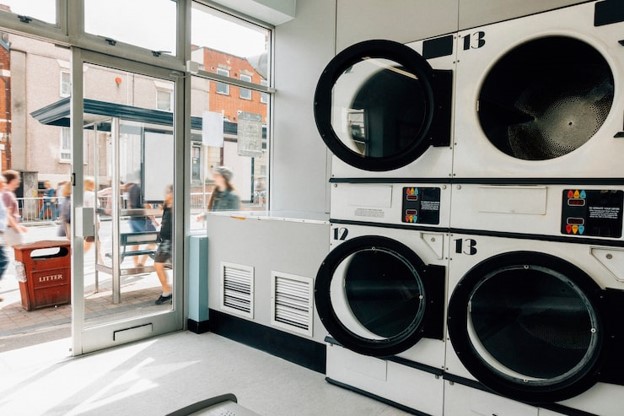
Commercial laundry equipment is expensive. Every extra year matters.
Industrial washers and dryers operate under constant stress:
- heat
- vibration
- chemical exposure
- heavy loads
- nonstop cycles
Wear is unavoidable.
Early intervention changes how fast the wear spreads.
Routine sensor-based monitoring helps:
- reduce motor strain
- prevent overheating
- maintain balanced operation
- improve water efficiency
- lower internal component damage
That is one reason premium systems like Speed Queen commercial laundry machines continue investing heavily in predictive maintenance technology.
Machine lifespan directly affects profitability.
Data Is Becoming More Valuable Than Repairs
A strange thing is happening in commercial laundry operations. The machines are turning into data systems.
Operators now study:
- cycle frequency
- peak usage hours
- water efficiency
- dryer heat performance
- machine idle time
- energy spikes
This information improves business decisions far beyond maintenance.
A laundromat owner may discover:
- certain machines overload regularly
- Customers avoid specific washers
- Energy costs rise during certain cycles
- One dryer consumes far more power than others
Without sensors, most of this stays invisible.
Smart Maintenance Supports Sustainability Goals
Commercial laundry businesses face growing pressure to reduce water and energy usage. Sensor technology helps in practical ways.
Machines can automatically adjust:
- water levels
- wash timing
- drying temperatures
- cycle duration
That reduces waste while maintaining cleaning quality. Several hospitality groups in Southeast Asia now prioritise smart commercial laundry systems specifically for sustainability reporting.
Energy-efficient operations are no longer just marketing language. Utility costs are too high to ignore.
Replacement Parts for Laundry Machines Are Becoming More Specialised
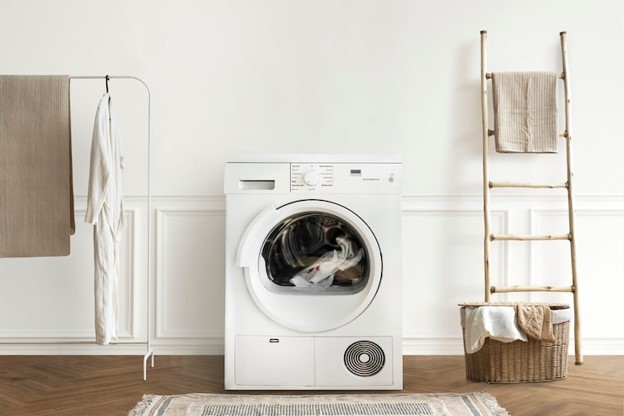
Older machines allowed more generic repairs. Modern systems require more precise servicing.
Connected equipment often depends on:
- sensor-compatible components
- digital control systems
- software-linked hardware
- brand-specific diagnostics
That increases demand for accurate replacement parts for laundry machines rather than universal alternatives.
Incorrect parts can interfere with:
- sensor readings
- machine calibration
- automated diagnostics
- energy monitoring systems
Reliable sourcing matters much more today than it did a decade ago.
Technicians Now Need Digital Skills Too
Commercial laundry repair work has changed fast. Traditional mechanical knowledge still matters. A technician still needs to understand motors, bearings, valves, belts, and airflow systems. But software knowledge is becoming equally important.
Modern maintenance teams often handle:
- diagnostic dashboards
- firmware updates
- sensor calibration
- cloud-based monitoring systems
- digital maintenance logs
That shift is creating a skills gap across the industry.
Facilities using advanced commercial laundry systems increasingly prefer certified technicians trained directly by equipment manufacturers.
Small Laundromats Are Catching Up Faster Than Expected
Smart maintenance used to belong mostly to large industrial facilities. Not anymore. Technology costs have dropped significantly over the last few years.
Smaller laundromats now use:
- mobile monitoring apps
- automated maintenance reminders
- remote diagnostics
- cloud-connected payment systems
- machine performance tracking
A six-store laundromat can now access maintenance tools that once belonged only to major hotel operations. That levels the playing field quite a bit.
Common Problems Smart Sensors Catch Early
Smart monitoring systems are especially effective at detecting recurring issues before full failure happens.
Common issues detected early:
- overheating dryers
- worn bearings
- blocked drainage systems
- water pressure problems
- motor overload
- airflow restriction
- electrical instability
- drum imbalance
Early detection keeps repair costs lower and prevents customer frustration.
Maintenance Teams Still Matter
Technology helps. It does not replace experienced technicians. Sensors detect warning signs. Humans still make repair decisions.
The strongest commercial laundry operations combine:
- predictive monitoring
- scheduled maintenance
- skilled technicians
- quality spare parts
- operational training
That balance creates long-term equipment reliability. Facilities depending only on automation usually run into problems eventually.
Future Laundry Machines Will Be Even More Automated
The next wave of commercial laundry technology is already developing.
Manufacturers are testing systems that can:
- schedule self-maintenance
- order replacement parts automatically
- Predict component lifespan months ahead
- Optimise wash cycles using AI
- detect customer usage trends
Some industrial systems already support remote diagnostics directly from manufacturer service centres.
That means technicians can identify problems before arriving on-site. Repair times continue shrinking.
Smart Maintenance Is No Longer Optional
Commercial laundry businesses operate in a competitive environment now. Energy prices keep rising. Customer expectations are higher. Downtime costs more. Equipment is more advanced.
Reactive maintenance simply cannot keep up anymore.
Smart sensors provide:
- earlier problem detection
- lower repair costs
- longer machine lifespan
- improved efficiency
- better customer experience
Facilities still relying entirely on manual inspection will likely struggle over time, especially in high-volume environments.
Technology is becoming part of standard laundry operations, not a luxury feature.
Conclusion
Commercial laundry maintenance is changing fast. Smart sensors are pushing the industry away from emergency repairs and toward predictive maintenance built around data, efficiency, and early detection.
Temperature tracking, vibration monitoring, energy analytics, and automated alerts are helping laundromats, hotels, hospitals, and industrial laundry facilities avoid expensive breakdowns before they happen.
Reliable machines last longer when problems are caught early. Utility costs stay lower. Customers notice fewer disruptions. Operations run smoother overall.
Businesses investing in modern laundry technology and proper maintenance strategies are already seeing the difference. Companies like Launch Laundry continue helping commercial operators adapt to smarter, more efficient laundry systems built for long-term performance.
FAQs
How do smart sensors work in commercial laundry machines?
Smart sensors monitor machine performance in real time. They track heat levels, vibration patterns, water flow, and energy consumption to detect unusual activity before serious breakdowns happen. This helps operators fix small issues early instead of dealing with expensive repairs later.
Why are speed queen industrial laundry systems popular for smart maintenance?
Many businesses prefer speed queen industrial laundry systems because they are built for heavy daily use and support advanced diagnostic features. Their monitoring systems help operators track machine performance, reduce downtime, and improve long-term reliability.
Can smart sensors reduce laundry machine repair costs?
Yes. Smart monitoring systems help identify problems at an early stage. A worn bearing or airflow issue can be repaired quickly before it damages larger components inside the machine. That usually means lower repair costs and fewer operational delays.
What commercial laundry machine spare parts fail most often?
Some of the most commonly replaced commercial laundry machine spare parts include belts, bearings, drain pumps, heating elements, valves, and sensors. Continuous machine usage naturally causes wear over time, especially in high-volume laundry environments.
Do electrolux commercial laundry machines include predictive maintenance tools?
Many modern electrolux commercial laundry machines include smart monitoring technology that tracks efficiency, machine performance, and maintenance needs. These systems can alert operators when servicing may be required.
How often should replacement parts for laundry machines be checked?
Inspection schedules usually depend on machine workload and operating hours. High-volume laundries often inspect critical replacement parts for laundry machines every few months to prevent unexpected equipment failure.
Are smart laundry systems suitable for small laundromats?
Yes. Smart laundry technology is becoming more affordable, which makes it practical even for smaller laundromats and startup laundry businesses. Many operators now use app-based monitoring systems to manage machines more efficiently.
What problems can smart sensors detect early?
Smart sensors can detect overheating, blocked drainage systems, airflow restriction, excessive vibration, motor strain, and drum imbalance before these problems become severe enough to shut down the machine.
Do smart sensors increase machine lifespan?
Yes. Predictive maintenance reduces unnecessary stress on machine components. Early repairs and better monitoring help commercial washers and dryers operate more efficiently for longer periods.
Why are genuine replacement parts important for commercial laundry machines?
Using proper replacement parts for laundry machines helps maintain performance, safety, and sensor accuracy. Incorrect or low-quality parts may affect machine calibration, efficiency, and long-term reliability.