Selangor and Kuala Lumpur operators know that water supply disruptions are a recurring reality. Air Selangor carries out scheduled maintenance across different zones throughout the year, and unscheduled cuts due to pipe damage, contamination events, or supply balancing happen with little warning. For a laundromat, a disruption means washers cannot run, and every hour without water is revenue that cannot be recovered.
Planning for this in advance is the difference between an inconvenient day and a damaging one.
Understanding the Disruption Pattern
Air Selangor publishes scheduled maintenance notices through its website, social media channels, and the myAirSelangor app. Operators should register for notifications tied to their zone. Scheduled cuts usually give 24 to 72 hours' notice, which is enough time to prepare.
Unscheduled cuts are harder to anticipate. Pipe burst events in areas like Ampang, Shah Alam, Subang, and parts of KL have caused same-day disruptions lasting several hours to over a day. Klang Valley outlets in older infrastructure zones tend to be more exposed to these events.
Knowing your zone number and checking the Air Selangor disruption portal regularly is the baseline. Beyond awareness, you need operational options.
Water Storage as a Backup Option
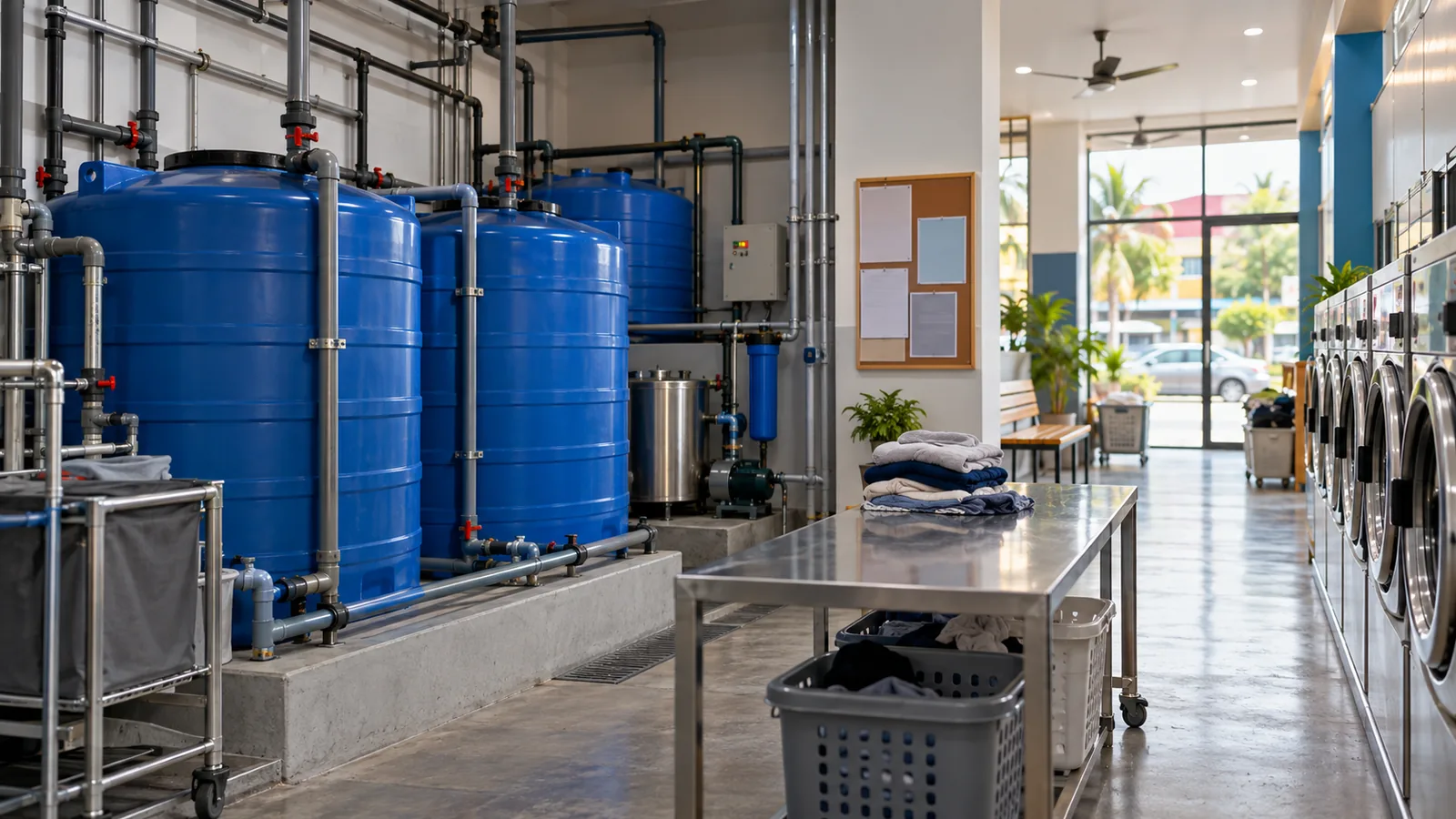
Installing a storage tank or cistern at your outlet gives you a buffer when supply is cut. The sizing question depends on your operational needs.
A typical front-load commercial washer uses between 60 to 100 litres per cycle. If you have 8 machines running an average of 4 cycles each during a disruption period, you are looking at roughly 2,000 to 3,200 litres to sustain half a day of operations.
A 5,000-litre above-ground tank can support a modest outlet through a 4 to 6 hour cut. Installation requires space, structural consideration if placed at height, and a check valve to prevent backflow into the mains. Tank rental is an option for operators who cannot justify the capital cost upfront.
The cost of a 5,000-litre fibreglass or polyethylene tank in Malaysia typically ranges from RM 800 to RM 2,000 depending on material and supplier. Installation adds to this. Weighed against the revenue loss from even one full-day shutdown per month, a storage system often pays for itself within the first year.
Shifting to Dryer-Only Operations
When water is genuinely unavailable and no storage backup exists, dryers are your only income-generating asset. Dryers do not need water to operate.
During a disruption, consider posting clear signage at the entrance indicating that wash cycles are unavailable but dryers are fully operational. Customers who have washed elsewhere, or who need to dry items from a previous wash, will still use the outlet. This keeps some revenue flowing and maintains customer habit.
Some operators have explored informal arrangements with nearby laundromats to cross-refer customers during disruptions, creating goodwill rather than losing customers entirely.
Customer Communication
Customers who arrive and find machines out of service without any notice tend to leave frustrated and sometimes do not return. A simple communication plan prevents this.
For scheduled disruptions:
- Post a WhatsApp status update the evening before
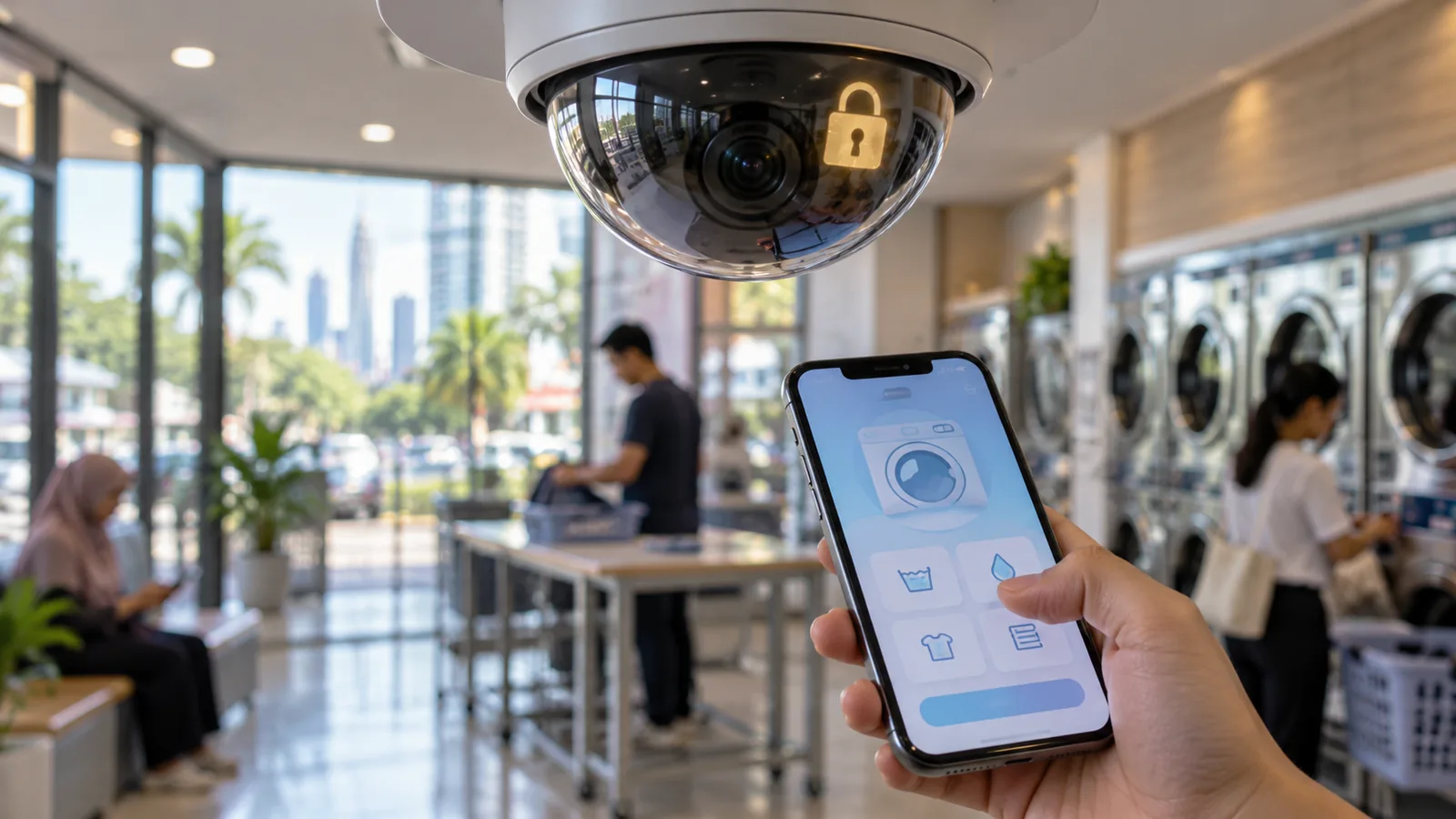
- If your outlet uses an app or loyalty platform, send a push notification
- Place physical signage at the door by morning of the disruption day
For unscheduled cuts:
- Update your WhatsApp status and any social media page immediately when you become aware
- Consider a sign on the door with an estimated return time once Air Selangor provides an update
Customers who feel informed are far more likely to return. Customers who arrive and find a locked or silent outlet without explanation tend to walk away permanently.
Refund and Credit Policy for Interrupted Cycles
If a customer starts a wash cycle and water supply is cut mid-cycle, you need a defined response. Options include:
- Cash refund: straightforward but requires float management
- Credit for next visit: a printed or digital credit voucher keeps the customer returning
- Top-up credit on the loyalty app: if your outlet runs a cashless or app-based system, crediting the account is the cleanest option
State your policy clearly on signage near the machines so staff or the operator can act quickly without having to improvise.
Coordinating With Your Landlord or Building Management
If your laundromat is in a shophouse or commercial building, the building management may have their own water storage tank. Understanding whether your supply runs through a shared building tank or directly from the mains changes your disruption exposure significantly. Ask your landlord or building management whether the building has storage capacity and how long it can sustain supply during a cut.
Factoring Contingency Into Your Business Plan
A laundromat without a water contingency plan is a laundromat with hidden revenue risk. Operators who factor this into their planning from the start, including storage infrastructure, customer communication tools, and refund policies, run more stable businesses.
Revenue generation and scale-up strategies take into account the real-world operating conditions of Malaysian laundromats, including disruptions that affect daily throughput. Similarly, working with laundromat business consultancy advisors who understand the Selangor and KL context means these contingencies are built into the plan before you open, not figured out reactively.
---
Frequently Asked Questions
How do I check if my laundromat area is scheduled for a water disruption?
Check the Air Selangor website at airselangor.com or download the myAirSelangor app. You can search by zone or address. Register for SMS or push notifications for your zone so you receive alerts directly without having to check manually.
What size water tank does a laundromat in Selangor typically need?
This depends on machine count and typical daily cycle volume. A small outlet with 6 to 8 washers would benefit from a 5,000-litre tank to cover a half-day disruption. Larger outlets or those in zones with more frequent cuts should consider 10,000 litres or more. A supplier or setup consultant can size this based on your actual machine specifications.
Can dryers still run during a water supply disruption?
Yes. Commercial dryers do not use water and can continue operating normally during a supply cut. Communicating this to customers and keeping the outlet open for dryer-only service is a practical way to preserve some revenue on disruption days.
Should I factor water disruption insurance into my laundromat plan?
Standard commercial property insurance does not typically cover revenue loss from utility disruptions. Business interruption insurance can cover this in some cases but requires specific policy language. Discuss this with an insurance broker at setup, and review your policy terms to understand what triggers coverage.