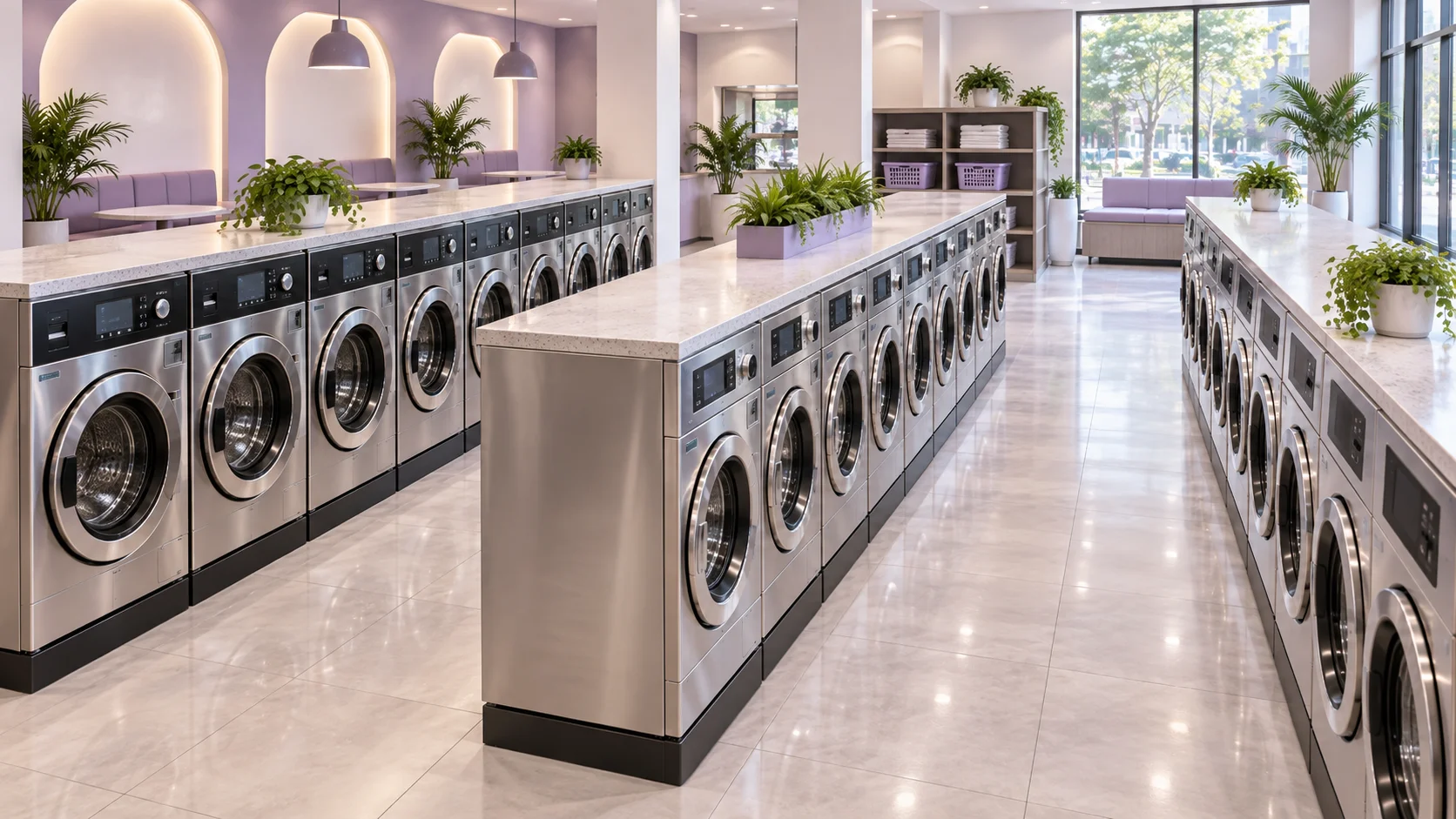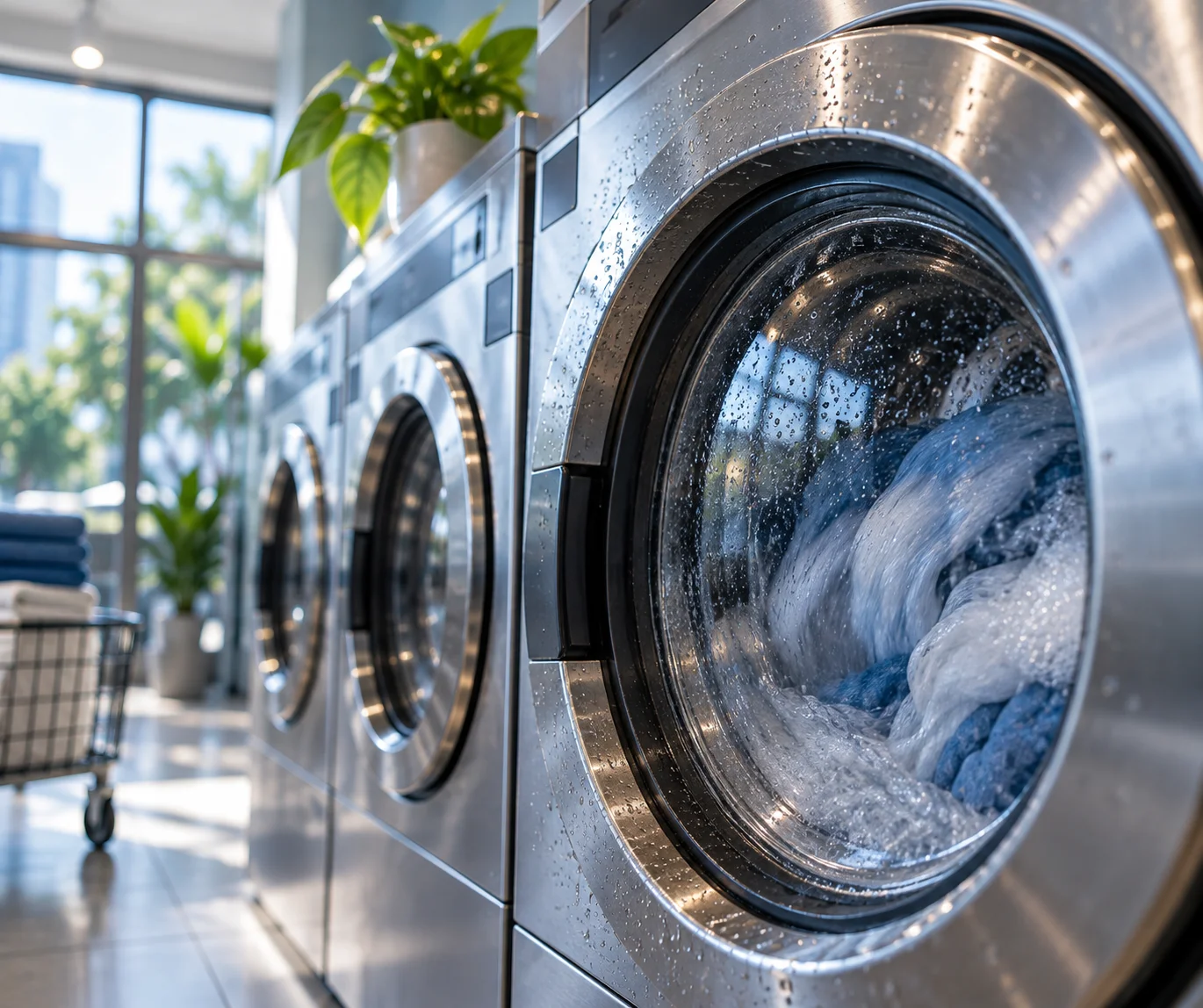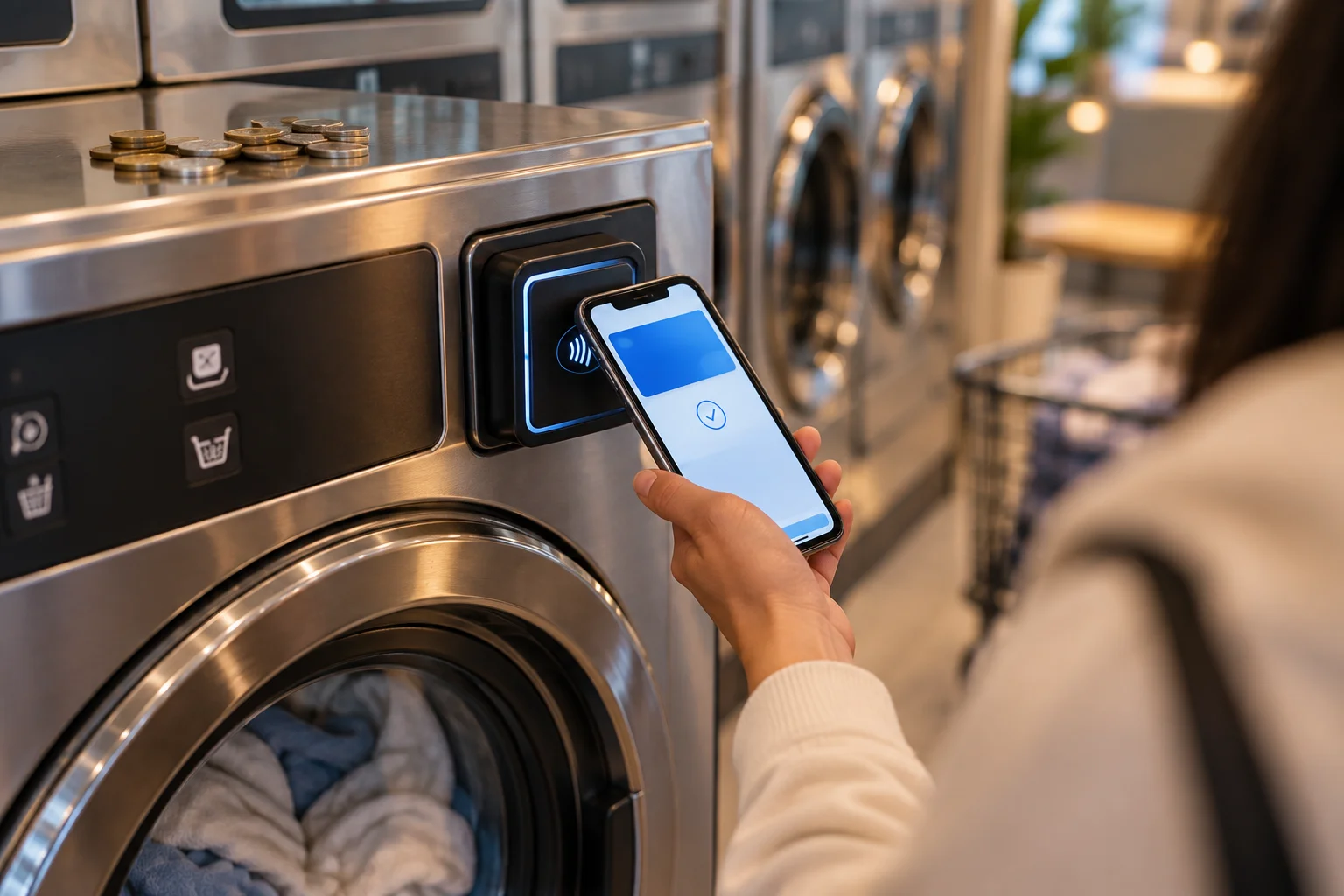

Setting up a laundromat is a structured, vendor-driven process. Each stage, from site preparation to the final launch, requires the right specialists in the right order. The blog describes a laundromat contractor checklist to make the operators know who they are, what each vendor is to deal with and why coordination is a good idea. The scope is practical and is in line with the commercial laundromat planning, with no assumptions, no generic advice. At the end, you will clearly see the key vendors and the ways to interact with them effectively to prevent any delays, compliance challenges, and redundant work.
Core Vendors Required for a Laundromat Setup
Civil & Interior Execution Vendors
These vendors handle the physical readiness of the space before machines arrive. Their work impacts layout accuracy, safety, and long-term maintenance.
Laundromat contractor
Leads renovation, flooring, wall finishes, equipment base and site coordination. This job is important in the establishment of machine clearances, customer flow and adherence to local codes of building.
Signboard vendor
In charge of exterior and interior signs such as fascia signs, operating instructions, and safety signs. Correct positioning and choice of materials influence the visibility, branding and longevity.
Clear drawings and early alignment between the signboard vendor reduce layout conflicts later in the project.
Utility & System Specialists You Cannot Skip

Mechanical, Electrical, and Ventilation Vendors
Laundromats are utility-intensive. These vendors must work closely with the layout and equipment plan.
M&E contractor
Handles power supply sizing, electrical distribution boards, lighting, earthing, and machine connections. This vendor ensures machines run safely under continuous load conditions.
Ducting contractor
ducting contractor and installs exhaust systems for dryers, managing airflow, heat, and lint removal. Poor ducting affects drying efficiency and can violate fire safety requirements.
Early site assessment by these specialists helps avoid costly upgrades after machines are installed.
Water, Drainage, and Compliance Vendors
Plumbing and Supporting Roles
Water management directly affects machine performance and operating costs.
- Manages water supply lines, drainage, floor traps, and backflow prevention. Proper gradient and pipe sizing are essential to prevent flooding and downtime.
- Local authority consultants or inspectors
- Assist with permits, fire safety checks, and final approvals, depending on regional requirements.
These vendors ensure the laundromat meets operational and regulatory standards from day one.
How to Coordinate Vendors Effectively

Effective laundromat ventures have a step-by-step procedure. The first step is making the layout and equipment final, and the second is the use of a core M&E contractor who will prepare the site. The second step is to install all utilities and systems, then signage and finishing work. Lastly, conduct and compliance tests. Efficient communication that includes centralized and updated drawings and well-thought-out task overlaps can ensure that there is less idle time, and repetitive work can be avoided, which is costly.
Common Vendor Selection Mistakes to Avoid
- Hiring residential contractors unfamiliar with commercial laundromats
- Starting ducting or plumbing without confirmed machine specifications
- Treating signage as an afterthought instead of a planning item
Vendor experience in laundromat environments matters more than price alone.
Conclusion
When every vendor realizes his/her role and operates within a coordinated plan, a laundromat setup is successful. This checklist will assist you in identifying whom to hire, when to engage them and what to expect in every phase. Request a checklist support of Launch Laundry to get a structured and ready-to-use vendor checklist that fits your project.