
The laundromat industry in Malaysia is changing fast. Operators today must decide between a traditional staffed setup and a modern, automated model. This choice has an impact on operating expenses, client experience, and long-term expansion. Technology and consumer culture that are being redefined in the unmanned laundromat Malaysia markets are redefining the day-to-day operations of the laundry businesses. In this blog, the author describes the comparison of staffed and unmanned laundromats in the context of Malaysia. It addresses expenses, operations, customer behaviour and scalability to allow the owners and the investors to select the model that suits their objectives and location.
Understanding the Two Laundromat Models
What Is a Staffed Laundromat?
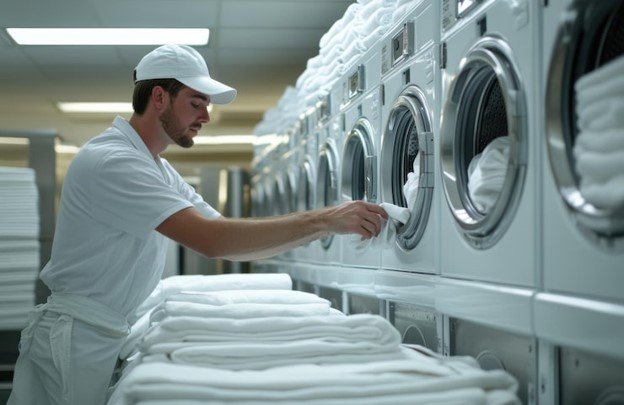
An operated laundromat has on-site workers who carry out day-to-day chores. These typically comprise in-store service, cleaning, machine maintenance and cashiering. This model is effective in those fields where the customers require a personal type of service or where there is a high level of machine abuse.
Key characteristics:
- Staff present during operating hours
- Manual oversight of machines and payments
- Higher operational control on-site
What Is an Unmanned Laundromat?
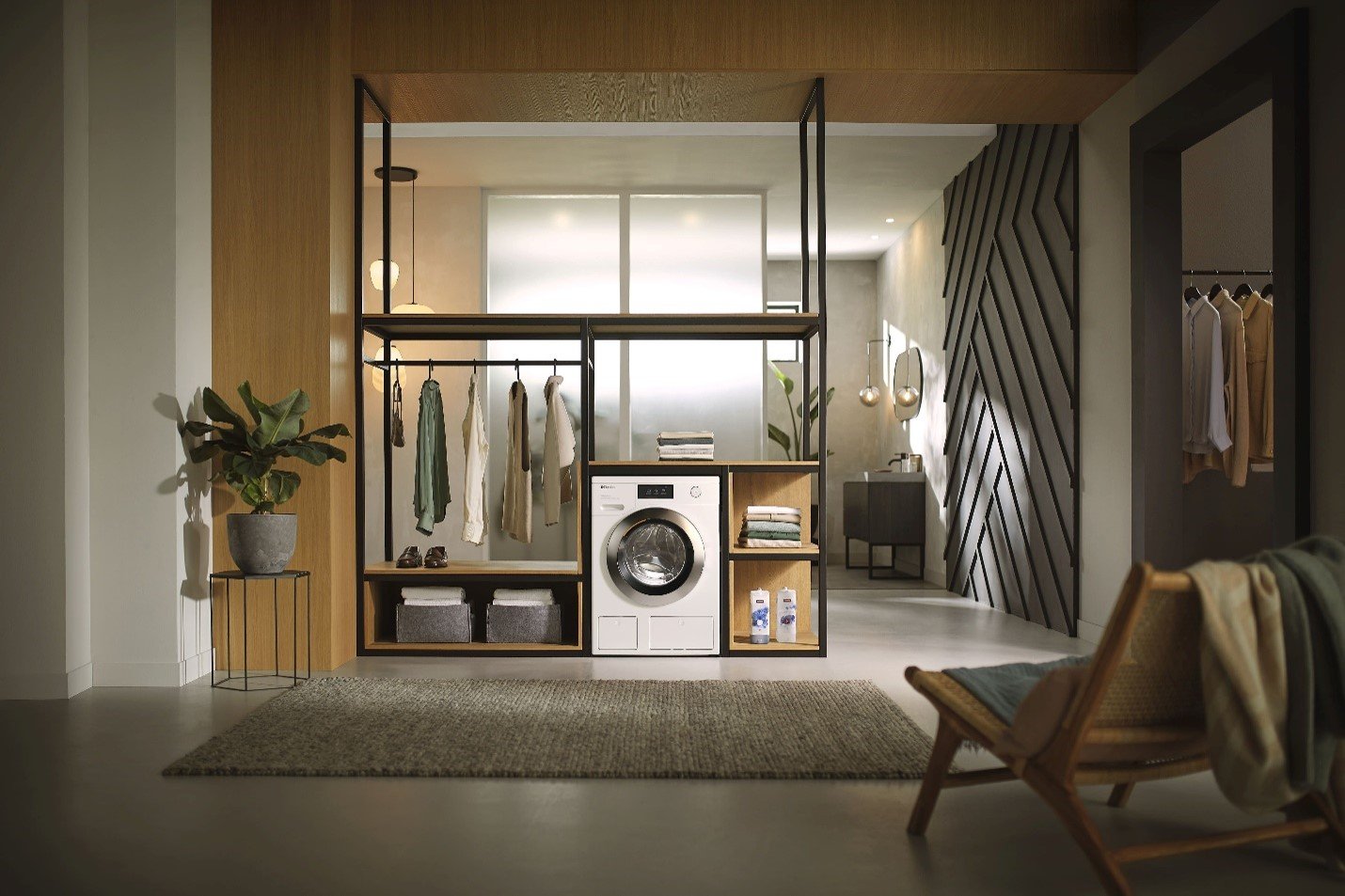
 An unmanned laundromat runs without full-time staff on location. Its operations rely on automation, a remote monitoring system and digital payment. Washing and drying are left to the customers and the owners will do the business off-site.
Key characteristics:
- No daily on-site staff
- Automated payment and access systems
- Centralised management and alerts
Cost Comparison in the Malaysian Market
Cost structure is one of the biggest deciding factors for owners.
A staffed laundromat involves ongoing payroll expenses. Monthly staffing cost includes wages, EPF, SOCSO, and shift coverage. Over time, this becomes a fixed expense regardless of daily usage.
An unmanned laundromat reduces labour expenses significantly. Initial setup costs are higher due to automation, but monthly overhead is lower. This makes it easier to scale across multiple outlets.
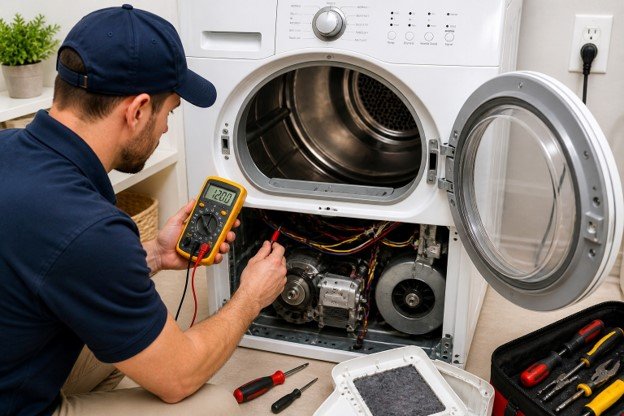
Important cost considerations go beyond rent and machines. Initial spending on automation affects long-term savings, while utility efficiency impacts monthly operating expenses. Fast maintenance and repair response time also plays a key role in reducing downtime, protecting revenue, and maintaining consistent service quality for customers.
Operations and Daily Management

Staffed Operations
Staffed laundromats offer direct human control. Issues like machine misuse or payment confusion can be resolved immediately. This model suits high-traffic urban zones where customer assistance reduces complaints.
Operational benefits include:
- Faster on-site issue resolution
- Better control over cleanliness
- Personal customer interaction
Unmanned Operations
Unmanned stores rely heavily on self-service operations. Machines, payments, and access are designed for independent use. Owners receive alerts when machines fail or when payments stop working.
Operational benefits include:
- Consistent service quality
- Lower human error
- Easier multi-location management
Customer Behavior in Malaysia
Urban Malaysian customers are increasingly comfortable with automation. Condo residents, young professionals, and students prefer quick, independent laundry visits. These users value convenience, speed, and 24-hour access.
In suburban or older neighborhoods, some customers still prefer staff presence. They may need help with machines or feel more secure with attendants on-site.
Customer preference often depends on several practical factors. Laundromats in condos usually attract users comfortable with technology, while residential areas may prefer staff support. Younger customers adapt faster to automation, and a clean, well-organized store layout strongly influences trust and repeat visits.
Security, Control, and Monitoring
Security is a common concern for unmanned stores. Modern systems now address this effectively.
Most unmanned laundromats use:
- CCTV with cloud access
- Smart locks and access control
- Real-time machine status dashboards
These tools allow owners to respond quickly without being physically present. In staffed stores, security depends more on human supervision and standard cameras.
Scalability and Long-Term Growth
For operators planning multiple outlets, unmanned models scale more efficiently. Central dashboards allow one person to oversee many locations. Staffing becomes harder to manage as outlets increase.
Staffed laundromats work best for single locations or premium service concepts. Growth is slower due to higher recurring costs and management complexity.
Conclusion
Both laundromat models are successful in Malaysia, however, their success will be determined by their location, budget and growth plans. Laundromats are staffed to serve service-oriented regions that have high interaction with customers. Unmanned laundromats are suitable to fulfill the needs of modern and urban markets in which the most important qualities are efficiency and automation. Selecting an appropriate structure at an early stage would prevent restructuring expenses and operation constraints in the future.
Having the intentions of establishing a new laundromat or even an upgrade, then a clear review of feasibility is required. Book consultation with Launch Laundry to determine the most suitable model to fit the location and investment objectives.