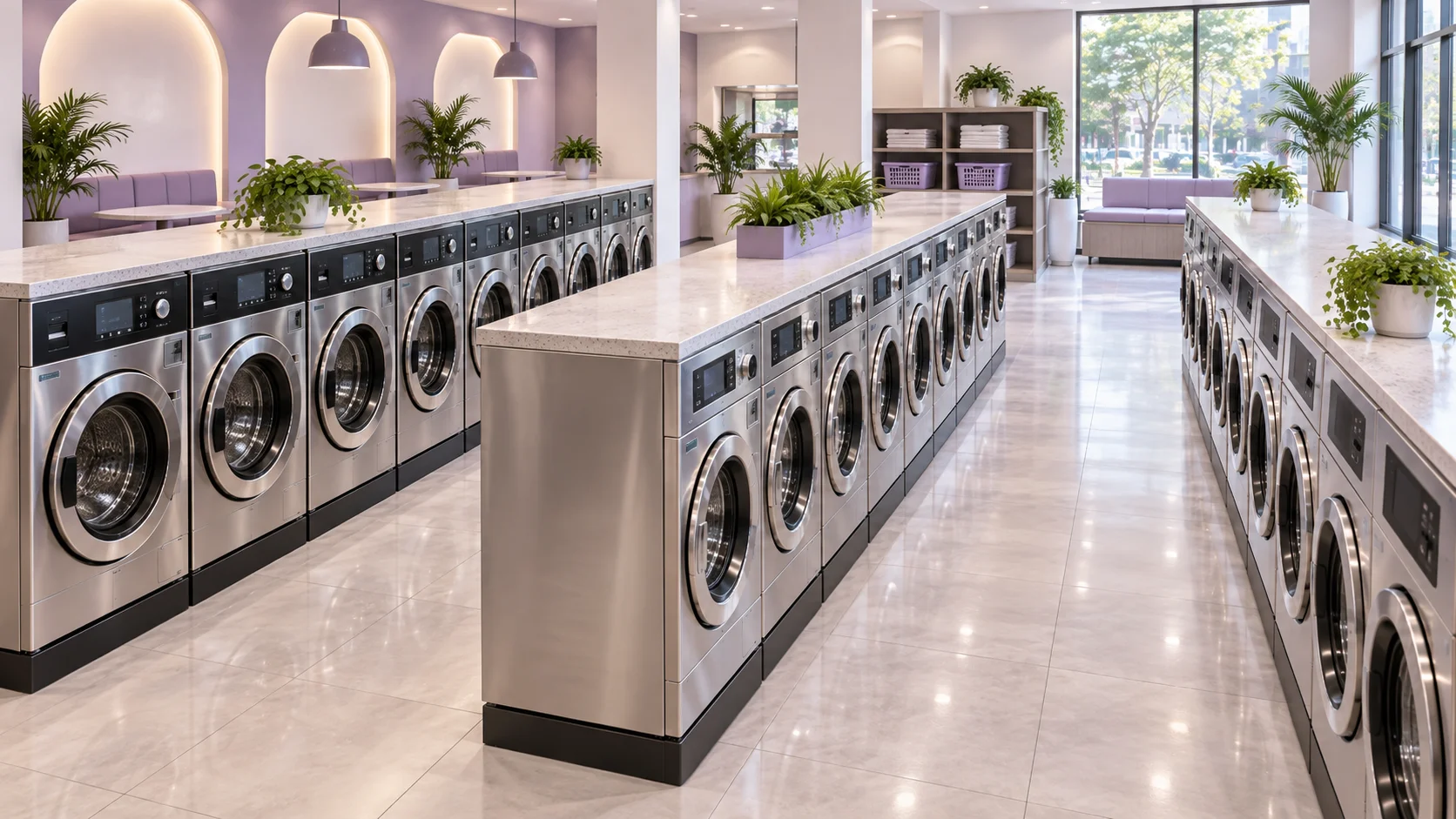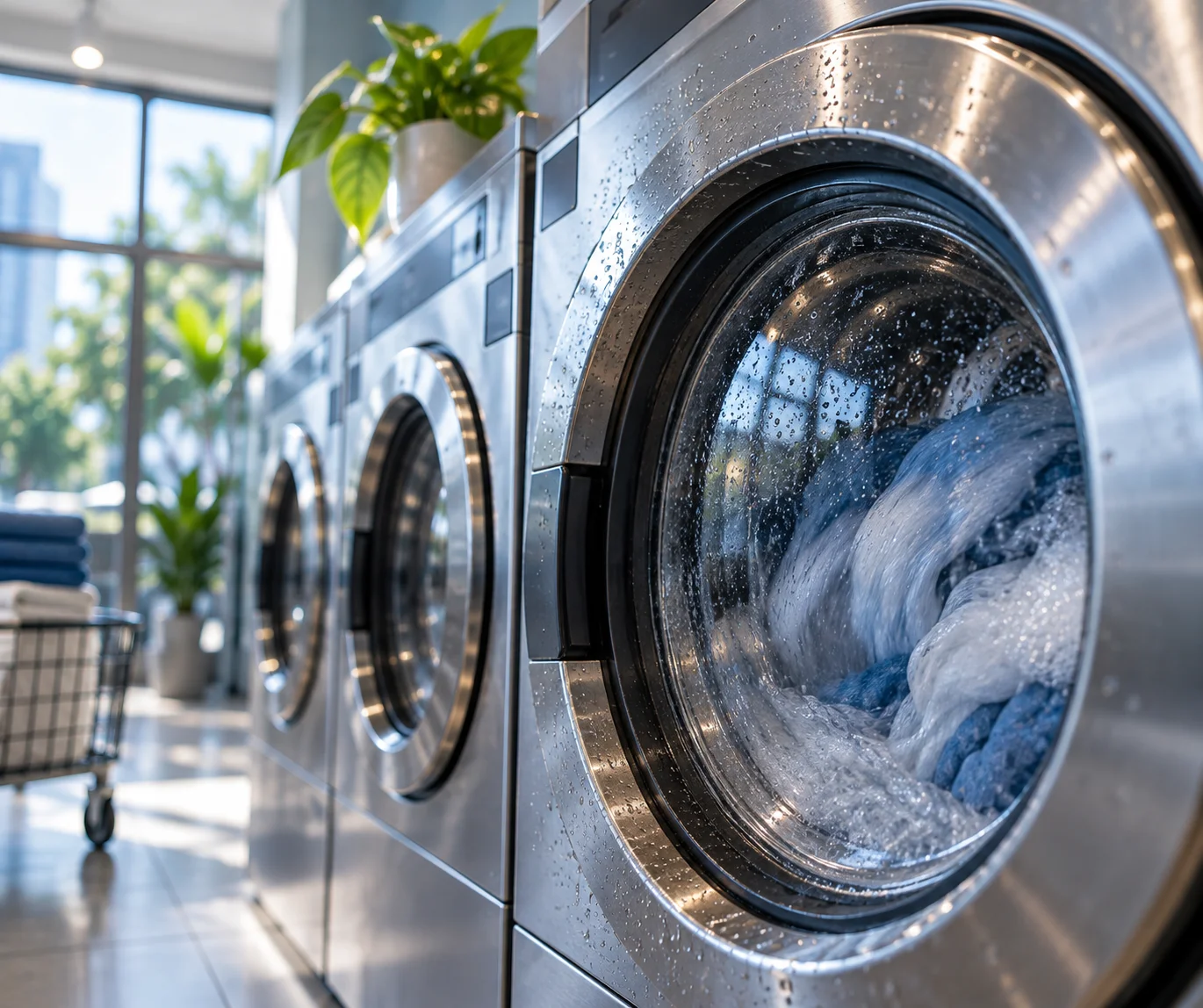
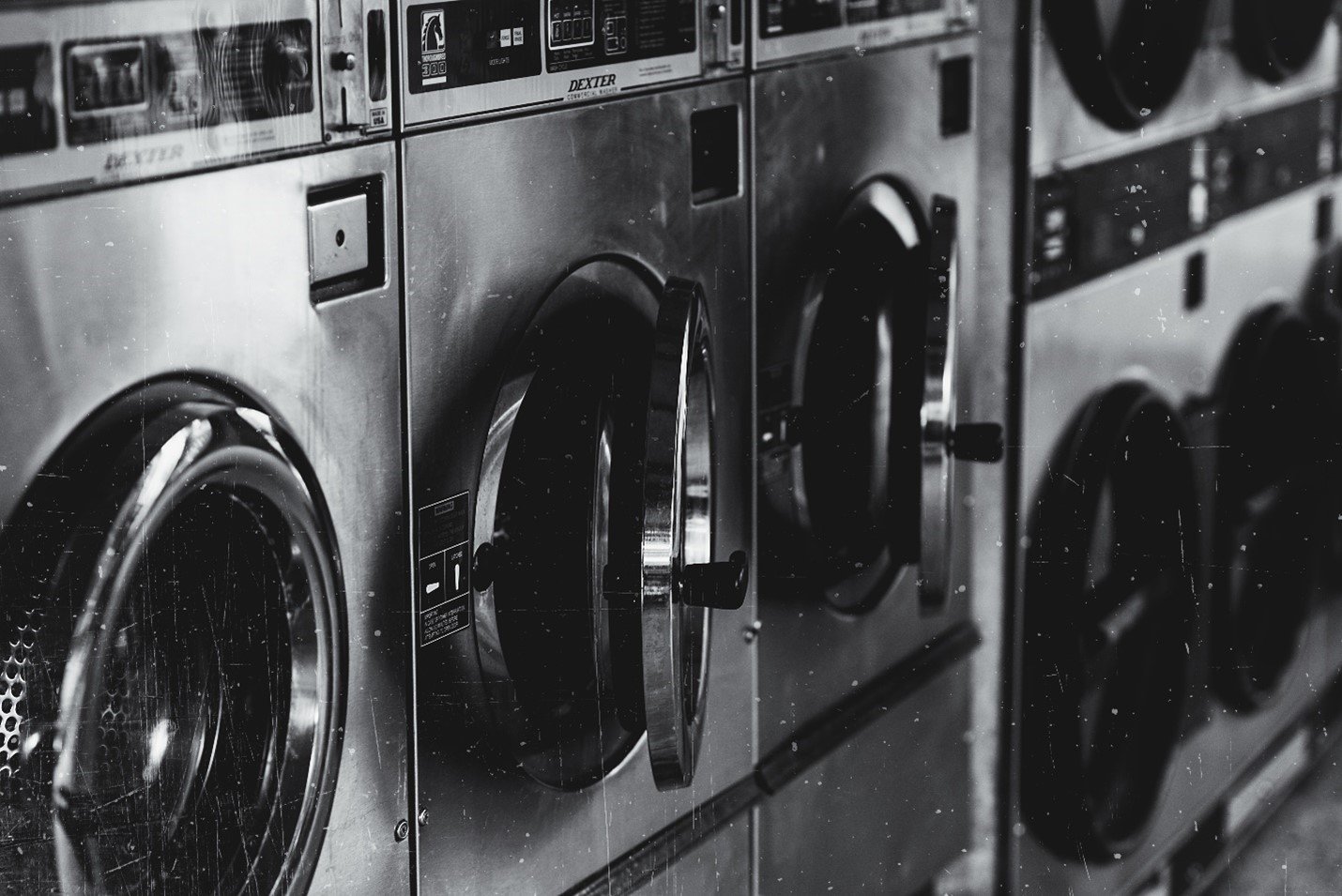
Opening a laundromat starts with one critical decision: how many machines to install. The right setup affects revenue, customer wait time, floor flow, and future growth. Too few machines limit earning potential. Too many raise costs and waste space. This blog explains how to determine the ideal number of washers and dryers for a new location, based on store size, target customers, and daily demand. You’ll learn how professionals approach equipment planning, what ratios work in real stores, and how to build a layout that stays profitable as traffic grows.
Start With Capacity, Not Guesswork
Every successful store begins with capacity planning. This means estimating:
- Daily customer volume
- Peak-hour usage
- Average load size
- Turnover speed per machine
A 1,000–1,200 sq. ft. neighborhood laundromat often supports 18–24 washers and 16–20 dryers. Larger 2,000–2,500 sq. ft. stores may run 30–40 washers and 24–32 dryers.
Instead of copying another store, base decisions on:
- Local population density
- Nearby apartments vs. single homes
- Presence of competitors
- Expected peak times
Your goal is to meet peak demand without long waits.
Understanding the Washer-to-Dryer Balance
The washer dryer ratio determines customer flow. Most laundromats operate best between:
- 1:1 for high-turnover urban stores
- 1:0.8 for standard neighborhood locations
Wash cycles take longer than drying cycles. If you under-install dryers, customers pile up with wet loads. If you over-install dryers, you waste floor space and power capacity.
Build a Smart Laundromat Equipment Mix

A profitable store uses a tiered laundromat equipment mix rather than one-size machines. This lets customers choose based on load size and budget.
Typical breakdown:
- 40% small washers (20–25 lb)
- 40% medium washers (30–40 lb)
- 20% large or extra-large washers (50–80 lb)
Dryers should mirror this distribution with stacked units to save space.
This approach:
- Serves more customer types
- Increases average ticket value
- Reduces bottlenecks during peak hours
It also improves floor efficiency and long-term flexibility.
Plan Your Machine Mix for Growth

Your machine mix should support today’s demand and tomorrow’s expansion. Leave room for:
- 10–20% future machine additions
- Upgrading to higher-capacity models
- Adding folding or vending space
Designing too tightly limits growth. A modular layout allows you to scale without relocating.
Consider:
- Electrical and gas capacity headroom
- Wall space for future stacks
- Drainage access for new washers
Planning early saves expensive remodels later.
Common Setup Mistakes to Avoid
- Installing equal numbers without demand analysis
- Ignoring peak-hour congestion
- Overloading small machines
- Underestimating dryer demand
- Filling every inch of space on day one
Smart operators start efficient, not crowded.
Conclusion
The number of right washers- dryers is not an intuition-based result but rather a demand modeling one. A well-balanced system enhances turnover, customer satisfaction, and revenues in the long run. A realistic washer dryer ratio, properly capacity planned and a flexible mix of laundromat equipment, gets your store off well and able to expand.
Ready to design your laundromat the right way? Request a custom equipment plan from Launch Laundry and build with confidence.
FAQs
1. How many washers does a small laundromat need?
Most small stores start with 16–24 washers, depending on square footage and neighborhood density.
2. Is a 1:1 washer-to-dryer ratio ideal?
It works in high-traffic areas, but many stores operate better with slightly fewer dryers.
3. Can I start small and expand later?
Yes. Design your layout with space, power, and plumbing capacity for future machines.
4. Should I focus more on large-capacity washers?
A mix performs best. Large machines boost revenue, but small and medium units handle daily loads and turnover.