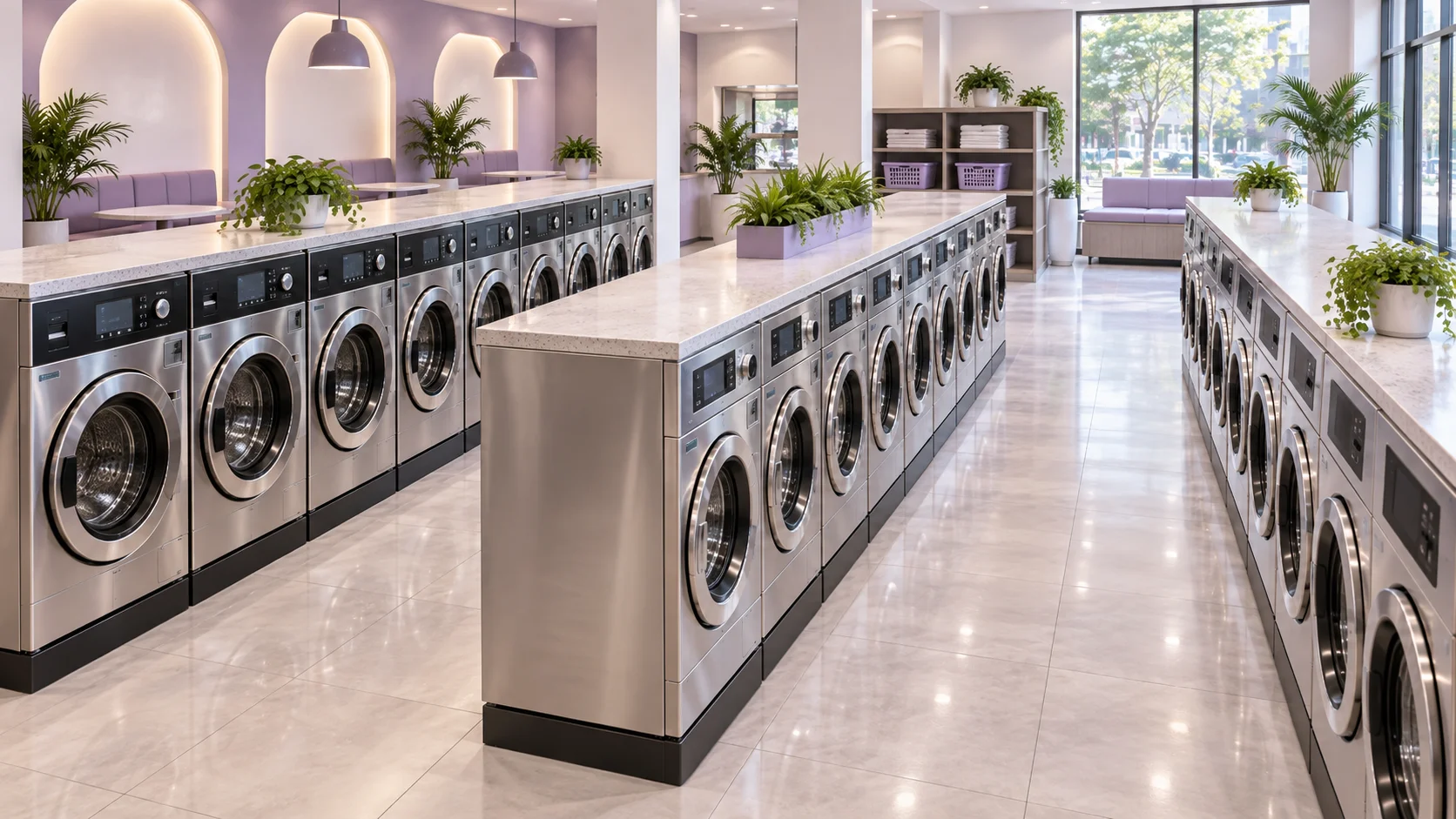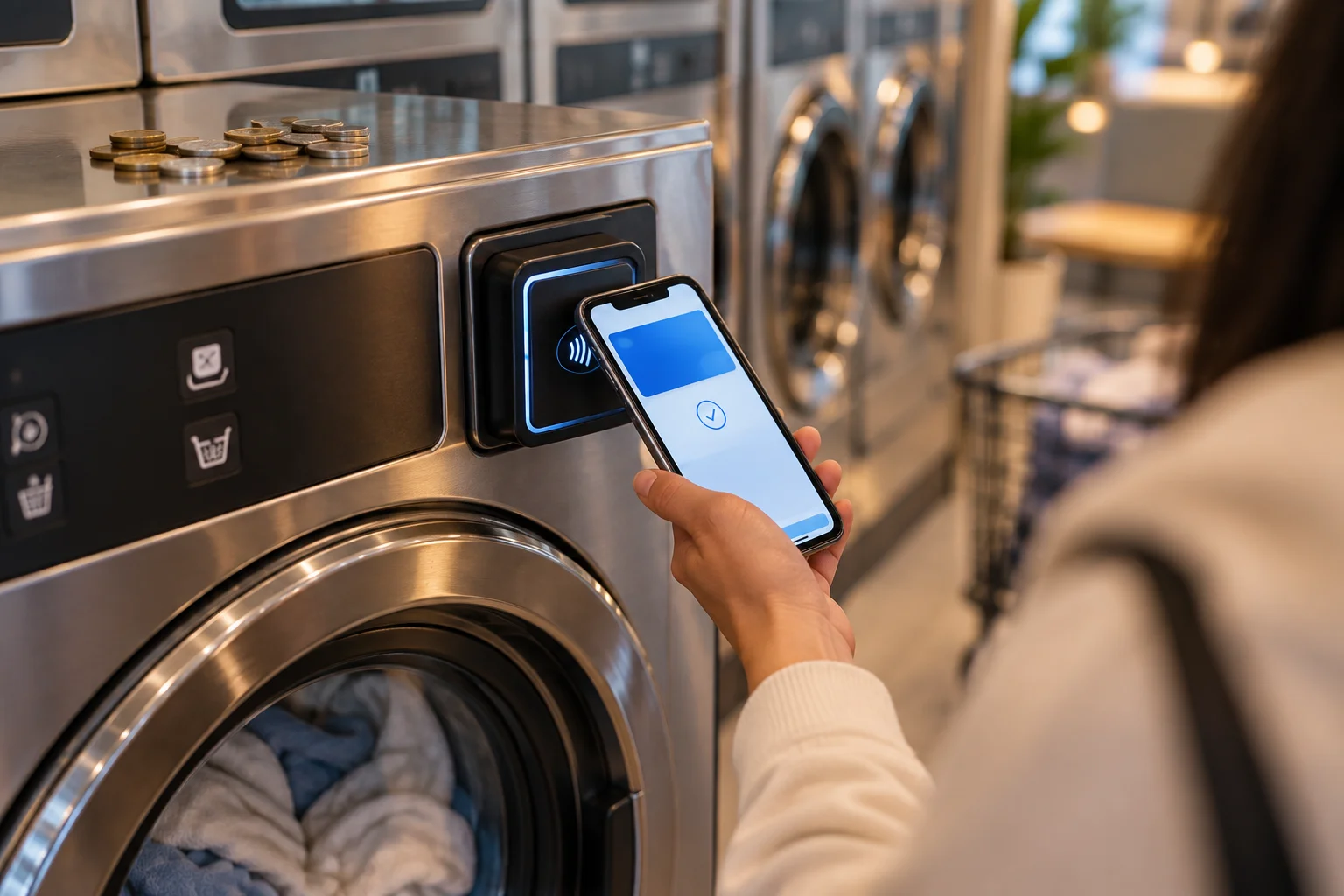

Modern laundromats are no longer built around coins alone. The operators have the options of coins, cards, QR codes and mobile apps depending on the behavior of customers, cost control and scalability. This decision has a direct effect on the daily operations customer satisfaction and long-term growth in Malaysia. Selecting the right laundromat payment system Malaysia operators rely on is not only about convenience it shapes revenue flow, maintenance effort, and business intelligence.
This blog explains how each payment type works, where it performs best, and how to combine options for maximum efficiency. It is designed for laundromat owners, investors, and operators who want a clear, practical view of payment infrastructure before building or upgrading a store.
Understanding Today’s Payment Landscape
Customers expect speed and flexibility. Some still carry coins. Many prefer touchless digital payments. Some would like to be able to control their time at the washing machine using their cell phone. The owner of a single-store might prefer his or her simplicity and the multi-store operator requires data, automation and control.
Your choice should consider:
- Local customer habits
- Store size and traffic volume
- Staff availability
- Maintenance capability
- Expansion plans
Each payment model serves a different operational goal.
Coin-Based Systems
Coin mechanisms remain common in small neighborhoods and older buildings. They are simple, familiar, and do not rely on internet connectivity.
The coins remain effective in low-rent residential zones, rural or semi-urban zones and stores that have low technology infrastructure. But, they are more vulnerable to theft or jamming, demand a human touch in collection and counting and do not give any usage information, nor can they update prices remotely and also cannot be automated.
Coins may reduce upfront cost, but they increase daily labor. For growth-focused operators, coins often become a bottleneck.
Card Payment Systems
Card-based systems use stored-value cards issued by the laundromat. Customers top up at a kiosk and tap machines.
Operational benefits
- Centralized pricing control
- Reduced cash handling
- Faster customer flow
- Compatible with loyalty programs
Business impact
Card systems improve store order and allow you to track machine usage patterns. However, they require card inventory, kiosks, and customer education.
They are ideal for medium-sized laundromats that want structure without full mobile integration.
QR Code Payments
Digital wallets are now standard across Malaysia. Integrating QR payment allows customers to scan and start machines instantly.
Advantages
QR-based payments remove the need for physical cards or coins, enable fast adoption among urban users, require minimal hardware, and work seamlessly with popular e-wallets, improving convenience and store efficiency.
Challenges
- Requires stable internet
- Limited offline fallback
- Less control over customer identity
QR systems reduce barriers for first-time users and tourists. They are effective in malls, transit hubs, and high-traffic commercial zones.
Mobile App Payments
App-based systems provide the most control and flexibility. Customers load credit, start machines, and receive notifications.
Core features
- Machine status visibility
- Cycle completion alerts
- Promotions and push messages
- Account-based usage tracking
For operators, apps unlock automation. Pricing, promotions, and machine behavior can be adjusted centrally. This model supports multi-location management and franchise growth.
A fully cashless laundromat using an app reduces staff workload and creates a modern brand experience.
Comparing Payment Options
Each system serves a different stage of business. Use this quick comparison to match your goals:
Coins offer the lowest setup cost but require high manual effort with no data or automation. Card systems need moderate investment and provide basic control and reporting. QR enables fast, customer-friendly deployment but depends on wallets. App-based systems deliver the highest flexibility, strong branding, and are best for long-term scaling.
Many successful laundromats combine two methods. For example, QR + coin during transition, or card + app for different user segments.
Operational Impact You Should Consider

Payment choice affects more than how money enters the machine.
Maintenance & Support
Each payment method has operational needs: coins require frequent jam clearing, card systems depend on kiosk uptime, and QR or app-based payments rely on stable internet connectivity for smooth, uninterrupted service.
Staff Workflow
- Manual cash collection takes time.
- Digital systems reduce on-site tasks.
- Fewer disputes over lost coins or refunds
Data & Decisions
Digital payment systems generate clear reports on peak hours, machine usage, revenue per cycle, and downtime patterns. This data enables remote monitoring and faster issue resolution, allowing operators to identify problems early and act before customers experience service disruptions.
Building for Growth
If you plan to open more than one outlet, your payment system must scale.
Growth-ready features include:
- Central dashboard
- Multi-store reporting
- Remote pricing control
- User account management
A digital-first setup allows expansion without proportional staffing increases. It also simplifies audits and investor reporting.
In competitive urban markets, modern payment options are no longer optional. Customers compare laundromats based on ease of use as much as price.
Hybrid Models: The Practical Middle Ground
Not every laundromat can go fully digital on day one. Hybrid systems such as Coin + QR, Card + App, or QR + App offer a practical balance. They serve both traditional and digital users, reduce transition risks, and allow gradual customer education. Over time, usage data clearly shows when it is safe to phase out coins.
Compliance and Local Readiness
In Malaysia, laundromat payment systems must integrate with local e-wallets, reliable network infrastructure, electrical standards, and security requirements. A well-configured platform ensures uptime and regulatory compliance, especially in malls, hospitals, and hotels. The right laundromat payment system Malaysia operators choose should match both customer habits and technical realities for smooth, scalable operations.
Making the Right Choice
There is no single best system. The right setup depends on:
- Location type
- Customer profile
- Budget
- Growth plan
Coins favor simplicity. Cards bring structure. QR adds speed. Apps enable automation and brand differentiation.
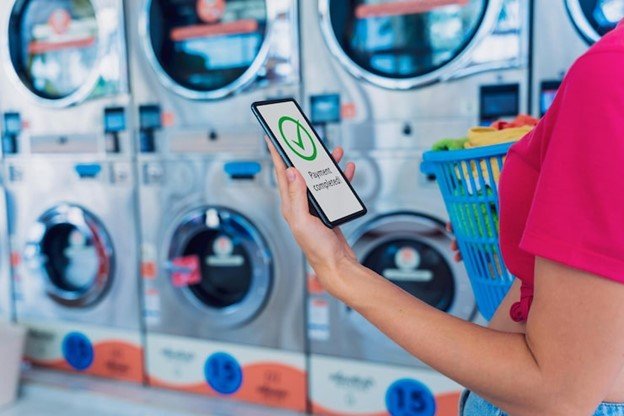
A modern cashless laundromat strategy does not remove human service; it removes friction.
When supported by analytics and remote monitoring, operators gain control over every outlet without being on-site.
Conclusion
The decision to use coin, card, QR or app payment is a strategic business choice. The two models have an impact on everyday business, customer satisfaction and scalability. Coins are familiar, cards are controlling, QR is convenient and apps open automation. Transition bridging systems benefit different users and help bridge transitions.
If you are planning a new outlet or upgrading an existing one, start with your business goals and customer behavior. Then select a payment structure that supports growth, efficiency, and long-term value.
Request a demo to explore how a modern payment platform can fit your laundromat vision with Launch Laundry.
FAQs
1. What is the best payment system for a new laundromat in Malaysia? For new stores, a hybrid model using QR and coin is practical. It supports both digital-first users and traditional customers while keeping setup flexible.
2. Can I switch from coins to digital later? Yes. Most modern machines can be retrofitted. Many operators start with mixed systems and phase out coins once customers adapt.
3. Do QR and app systems work without staff? Yes. Digital systems enable unattended operation with alerts, logs, and centralized control, reducing the need for on-site staff.
4. How does remote monitoring help operators? It allows you to track machine status, revenue, and faults in real time, helping you resolve issues faster and optimize performance across locations.