
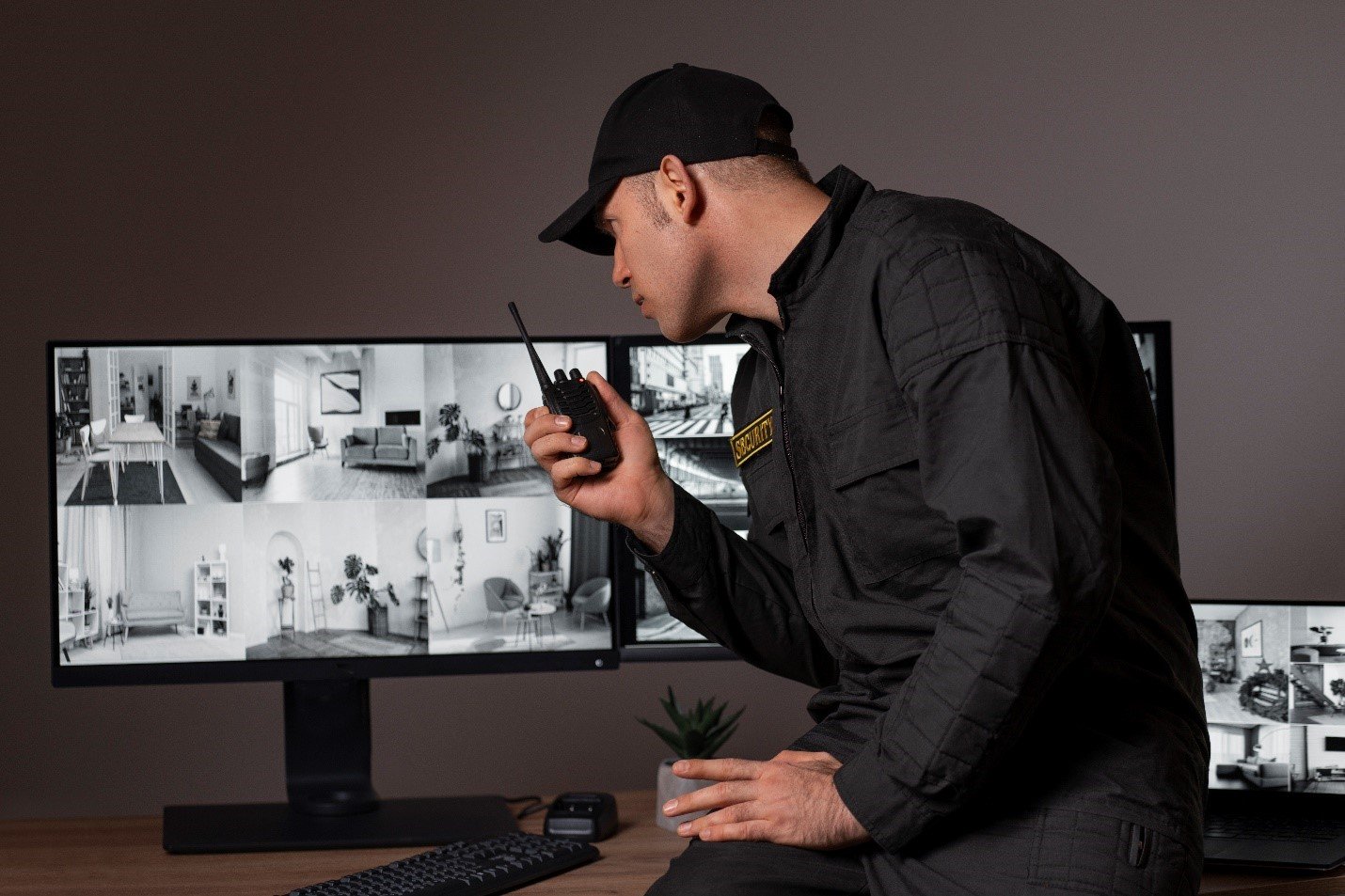
Running a laundromat that never closes brings clear business advantages, but it also creates nonstop exposure to risk. Customers arrive at all hours, staff are often off-site and equipment, cash systems, and personal safety become constant concerns. A modern laundromat security system is no longer optional for 24-hour operations it is core infrastructure.
The current blog describes how to secure your area using clever CCTV design, lighting, access control, and operational layout. The text is addressed to the owners and operators of the laundry business, willing to take straightforward and practical steps that can fit in a professional self-service setting.
Why Security Is Different in 24-Hour Laundromats
Most laundromats have low supervision as opposed to having staffed retail stores. Once it is past midnight, people are less likely to be out on the roads, visibility is low, and minor issues can be easily turned into a big one.
The main risks include:
- Equipment vandalism
- Cash and payment terminal tampering
- Loitering and misuse of space
- Customer disputes
- Perception of unsafe conditions
Security is not only about stopping crime. It also shapes how customers feel. Clean, bright, monitored locations attract repeat users. Poorly protected stores lose trust fast.
Core Components of a Laundromat Security Plan
An effective setup combines physical design, technology, and process. No single tool works alone.
Surveillance Cameras
The protection is based on high-resolution IP cameras with night vision and remote access. The footage must be accessible at any location and be kept safe.
Lighting Strategy
Well-lit interiors and exteriors reduce blind spots and discourage misuse. Lighting must cover:
- Entrances
- Parking areas
- Folding zones
- Payment stations
- Rear exits
Controlled Access
After-hours entry systems such as card access, timed doors, or motion-triggered alerts reduce unauthorized use.
Clear Visibility
Open layouts, glass fronts, and minimal obstructions improve both customer comfort and camera effectiveness.
Smart CCTV placement for Full Coverage
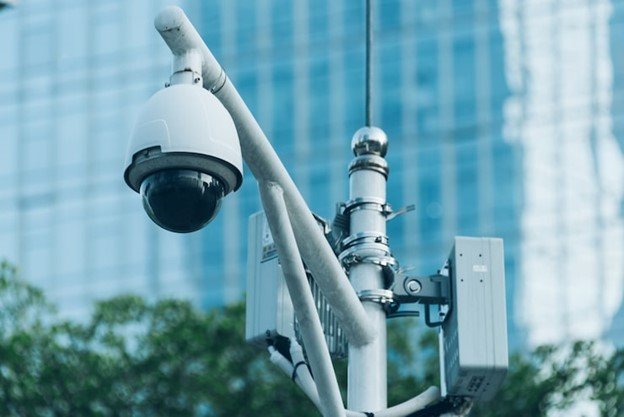
Camera positioning determines how useful your system actually is. Random installation creates gaps. Strategic planning ensures every critical zone is covered.
The cameras must not only cover every area of concern but also main entrances, payment kiosks, machine aisles, folding tables, exterior parking areas, sidewalks and back-of-house utility areas should be fully visible, blind spots should be eliminated and monitoring should be even throughout the whole landscaped area of the laundromat.
Avoid pointing cameras directly into bright lights or reflective surfaces. Mount units high enough to prevent tampering, but low enough for clear facial capture.
A professional layout plan prevents blind spots and overlapping angles. This reduces the number of cameras needed while improving coverage.
Later, review your CCTV placement again after the store opens. Real traffic patterns often reveal new angles worth monitoring.
Building Confidence Through Design

Security is not only hardware. Customers judge safety in seconds. Design choices influence behaviour and comfort.
Use:
- Transparent storefronts
- Clean lines of sight
- Neutral wall colours
- Open folding zones
- Minimal visual clutter
These design cues reduce hiding spaces and increase perceived control. Combined with cameras and lighting, they support long-term 24-hour laundromat safety without feeling intrusive.
Owners often underestimate how strongly appearance affects behaviour. People treat well-maintained spaces with more respect.
Preventing Loss Without Creating Tension
Security must feel professional, not aggressive. The goal is to deter misuse while keeping the store welcoming.
Effective approaches include:
- Visible camera signage
- Calm safety notices
- Automated voice reminders
- Clearly marked emergency contacts.
This balance improves theft prevention while maintaining a customer-friendly environment.
Avoid excessive warning language or harsh visuals. A calm, orderly space naturally discourages negative behaviour.
Operational Practices That Support Security
Technology works best when paired with clear routines.
Daily
- Check camera feeds
- Inspect door locks
- Verify lighting
- Remove clutter
Weekly
Regularly reviewing incident footage, testing alarms, and cleaning camera lenses ensures clear evidence, faster response, and consistent system performance reliability.
Monthly
Blind spots are audited periodically, modernisation of the signage and audit of the access logs are done to ensure that the systems are functional. These are the simplest measures to prevent failures, reduce downtimes and ensure that your security system in the laundromat works.
Common Mistakes to Avoid
Many new operators install equipment without a strategy. This leads to:
- Cameras facing walls or windows
- No coverage of payment zones
- Inconsistent lighting
- No remote monitoring
- Lack of an incident response plan
Security should be part of the original store design, not an afterthought. Retrofitting later costs more and performs worse.
Technology Trends in Laundromat Security
Modern security systems do more than prevent crime. With AI motion detection, license plate capture, heat maps, cloud storage, and mobile alerts, owners can track movement, identify congestion, optimise layouts, and improve operations while supporting long-term business growth.
Creating a Safe Experience After Midnight
Late-night customers are often workers, travellers, or families on tight schedules. They choose locations that feel predictable and calm.
To improve the overnight experience:
- Keep interiors bright
- Maintain spotless floors
- Ensure cameras are visible.
- Post emergency contacts
- Use consistent branding
Strong 24-hour laundromat security is more about the environment than enforcement. When they feel in control, people stay longer and visit again more frequently.
Conclusion
Security is not a device per se, but a system of design, technology and habit. Laundromats would be able to survive 24/7 without losing trust and profitability. The appropriate combination of cameras, light, design and routine transforms danger into trustworthiness.
If you are building or upgrading a 24-hour store, Request security plan today and create a space that customers feel confident using at any hour Launch Laundry.
FAQs
1. What is the minimum number of cameras for a small laundromat? Most compact stores require 6–10 cameras covering entrances, payment zones, aisles, folding areas, and exterior access points.
2. How long should CCTV footage be stored? A 14–30 day retention period is standard. High-risk locations often keep 60 days for incident review.
3. Do cameras actually reduce crime? Yes. Visible surveillance significantly lowers vandalism and misuse, especially in unattended environments.
4. Is remote monitoring necessary for 24-hour stores? Yes. Owners need real-time access to respond quickly and verify incidents without being on-site.