


Wash and Fold vs Self-Service: Should Malaysian Laundromats Offer Both in 2026?
Walking into a suburban Malaysian laundromat on a rainy Sunday afternoon usually reveals a familiar sight: every single machine spinning at capacity while a dozen frustrated customers sit on plastic chairs, glued to their phones, waiting for a dryer to open up. With urban space shrinking and dual-income households becoming the absolute norm across the Klang Valley, Penang and Johor Bahru, time has officially become our most precious local currency. For business owners running a modern coin or cashless storefront, relying purely on the customer self-service model means leaving a substantial amount of profit on the table. The alliance commercial laundry machines landscape has matured rapidly, forcing operators to ask a critical question: is it time to evolve into a hybrid shop that balances automated self-service cycles with a premium drop-off wash and fold counter?
This practical market breakdown evaluates the operational shift, staffing realities and spatial demands of running a dual-service laundry hub. You will learn how to leverage your existing industrial setup to capture high-margin corporate or busy professional clients without disrupting your walk-in consumer traffic.
The Strategic Shift to a Dual-Service Business Blueprint
The traditional Malaysia self-supply version is particularly attractive as it ensures passive low overhead with minimal day-to-day management However, market saturation has hit key residential neighborhoods hard, more than one competing vendor usually operating in very similar business linesstarters transforming it into a high-level application as a replication of hours of watching their costumes tick away.
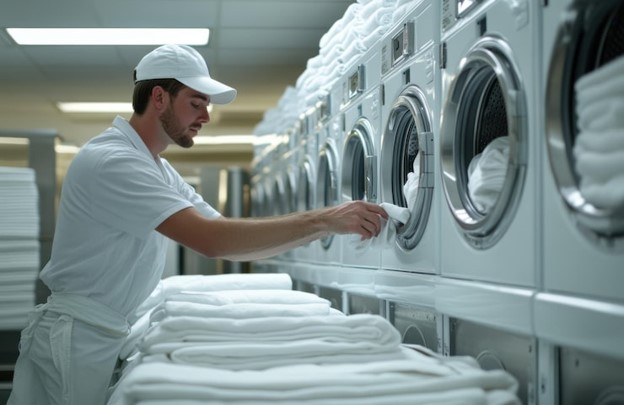
Adding a full-service layer allows you to make money from a quiet, small traffic window on weekday mornings when your machines usually sit idle. Your on-site worker can use those off-top hours to systematize large orders taken from local boutiques, lodges, health clubs and centers, or from corporate customers. This balanced workflow maximises your hourly utility efficiency and flattens out the volatile revenue dips common to pure self-service operations.
Maximising Your Existing Heavy-Duty Hardware Assets
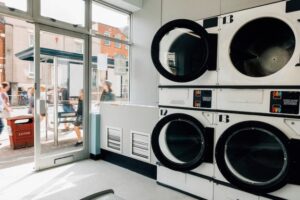
You do not need to invest in completely separate machinery lines to launch a drop-off service counter in your shop. Processing premium bulk loads requires relying heavily on the superior programmable cycles and high-extraction speeds found in your core speed queen laundromat machines. These industrial units feature flexible computer boards that let your attendants dial in customised wash profiles for delicate fabrics, heavy comforters, or heavily stained restaurant linens.
Overcoming the Staffing and Labour Inflation Challenge
The biggest mental barrier for self-service operators looking to add a wash and fold counter is the sudden transition into active staff management. With Malaysia’s recent updates to the national minimum wage and tightening local employment regulations, adding full-time floor workers introduces real fixed monthly overhead costs. To make this service layer highly profitable, your floor attendants must do far more than just fold shirts; they need to actively manage store cleanliness, handle basic machine customer troubleshooting and monitor local digital payment systems.
Optimising your shop with automated software tools keeps your team highly productive without requiring expensive multi-person shifts. Implementing simple cloud-based point-of-sale systems lets your counter worker log incoming weight, tag customer preferences and send automated WhatsApp pickup alerts in a matter of seconds. Training a single, reliable local attendant to run this digital intake desk during daylight hours ensures your operational labour cost stays fully aligned with actual service order volumes.
Architectural Layout and Space Allocation Rules

Integrating an active commercial processing desk into a retail storefront requires a smart layout design to prevent customer bottlenecks. Your retail walk-in clients using electrolux commercial laundry machines need clear, unhindered access to door swings, soap dispensers and localised payment terminals during busy weekend rushes.
Protecting Your Business from Operational Liability Risks
Shifting into a full-service business model means taking physical custody of your customers’ personal clothing and expensive household linens. This custody introduces minor operational risks, such as handling pre-existing fabric tears, accidental colour bleeding, or misplaced items that can lead to tense customer arguments. You can easily mitigate these headaches by setting up explicit, transparent intake rules directly at the point of sale.
Instruct your counter staff to check pockets and inspect delicate seams thoroughly before logging a bundle into your system. Operating reliable alliance commercial laundry machines helps prevent mechanical snags or temperature overshoots, but having clear liability caps printed directly on your customer receipts adds an essential layer of corporate legal protection. Maintaining visible, high-definition CCTV security cameras right over your folding and sorting tables also provides concrete proof if a client claims an item went missing inside your shop.
Tailoring Your Laundry Services to Local Market Neighbourhoods
- Premium Urban High-Rises: Focus heavily on high-margin wash, fold and iron bundles paired with local delivery options to serve corporate professionals.
- Suburban Family Developments: Market heavily toward oversized seasonal items like king-size comforters, thick living room curtains and heavy floor rugs.
- Hospitality and Tourism Zones: Create express four-hour turnaround laundry packages designed specifically for vacationing tourists and local homestay operators.
- Traditional Industrial Hubs: Emphasise high-temperature sanitisation wash cycles designed to lift tough grease stains from corporate work uniforms.
Designing a Premium Packaging and Presentation Strategy
The difference between a basic laundry experience and a luxury service comes down to the final presentation of the garments. Returning a basket of loosely piled clothes feels cheap, whereas delivering a crisp, vacuum-sealed stack sorted neatly by clothing type creates a memorable consumer experience. Use eco-friendly, branded paper bands or clean garment bags that prominently display your store logo and contact details.
This meticulous presentation style reminds your customers of the immense personal time they saved by outsourcing their weekly laundry chores to your team. Over time, satisfied drop-off clients will gladly transition into predictable, recurring monthly subscription members. This steady subscription volume builds a highly dependable base layer of retail revenue that protects your overall storefront cash flow from changing weather patterns or seasonal student holidays.
Strategic Software Integration for Multi-Branch Operators
Expanding your hybrid laundry operation into multiple neighbourhoods requires a centralised digital nervous system to monitor performance across all locations. A modern cloud-based full management application acts as a remote command center, allowing you to adjust employee clock hours, audit active drop off order lines, and simultaneously verify cashless digital ledger balances each day across multiple departments visiting the operating room This makes the desire for more remote work more visible daily re ardue on guide sheets and logbooks By connecting your physical sorting counters directly to a static cloud platform, you can instantly identify processing bottlenecks, manipulate conversion workforce changes, and ensure that your The top-rate package delivery transport delivery vehicles move forward uniformly, whether the customer visits your main or not.
Conclusion
Offering a smart combination of self-service machine access and full-service wash and fold options is the ultimate way to maximise your laundromat’s earning potential. This hybrid operational strategy allows you to capture every layer of your local neighbourhood demographic, from price-sensitive students to high-income corporate professionals. By using your premium machinery infrastructure efficiently during quiet weekday hours, you turn idle shop capacity into a highly profitable, streamlined processing centre.
Ready to transform your traditional laundromat layout into a highly efficient, dual-income business powerhouse? The development specialists at Launch Laundry offer end-to-end consulting, advanced floorplan optimisation and premium commercial machinery installations to ensure your next storefront expansion operates at maximum profitability.
FAQs
What is the ideal percentage of floor space to allocate for a wash and fold counter?
For a standard twenty-machine retail shop lot, dedicating roughly 10% to 15% of your total square footage to a secure service desk and folding counter is ideal. This modest footprint provides ample space for processing bulk orders without cramping the movement of your self-service customers.
How should I price my premium wash and fold drop-off services for local clients?
The most reliable local method is charging a flat rate per kilogram, establishing a strict minimum weight requirement of three to five kilograms per order to ensure profitability. You should calculate this baseline rate by factoring in your local water costs, electricity usage, high-quality detergents, and labor time.
Can my existing cashless payment terminals handle drop-off service transactions?
Yes, modern unified point-of-sale systems can easily process custom service amounts alongside your standard automated machine pulse charges. Your counter staff can simply input the custom order weight into the central terminal and generate a unified DuitNow QR code for the customer to scan.
Do I need to purchase specialized commercial detergents for the full-service counter?
Using professional-grade concentrated liquid detergents and commercial fabric softeners ensures superior stain removal and a lasting premium scent. Offering hypoallergenic or unscented chemical options as a premium add-on also allows you to capture health-conscious or sensitive-skin clients.
How do I prevent color bleeding accidents when handling a customer’s bulk clothing load?
Your floor staff must follow a strict sorting protocol that separates whites, bright colors, and dark denim materials into individual wash loads. For smaller mixed bundles, utilizing commercial color-catching sheets inside the wash cycle provides an affordable insurance policy against accidental dye transfers.
What is the standard turnaround time for a regular domestic drop-off laundry order?
The standard market expectation for a basic wash, dry, and fold service is twenty-four hours from the initial counter drop-off time. You can also introduce a premium express track option charging a 50% price premium for rushed four-to-six-hour turnarounds.
Should I offer a dedicated pickup and delivery service when launching wash and fold?
It is highly recommended to establish a stable, profitable in-store drop-off workflow before expanding into localized delivery logistics. Once your internal staff handles sorting and folding flawlessly, you can easily partner with local third-party on-demand delivery drivers to scale your reach.
How do I track individual customer clothing bundles to prevent mix-ups inside the shop?
Implementing a waterproof, heat-resistant nylon tagging system ensures each individual laundry load stays firmly linked to its respective digital order ticket. Each batch should travel together through the washing, drying, and folding stations inside a single dedicated plastic utility tote.