


TNB Electricity Tariff for Laundromats in Malaysia: How to Calculate and Reduce Your Monthly Bill
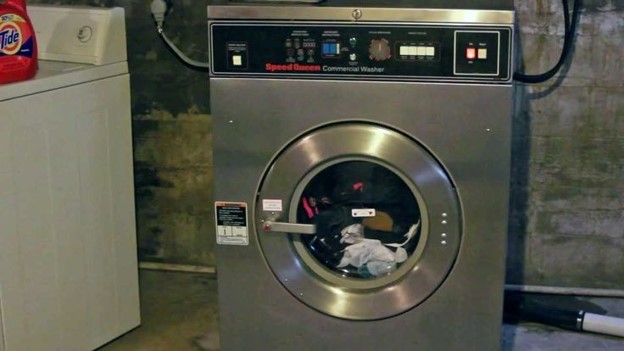
Running a laundry business in Malaysia can feel like a game of watching utilities swallow your profits. Keeping the doors open means paying close attention to every kilowatt-hour used by your machinery. With recent shifts in commercial energy rates and structure adjustments by Tenaga Nasional Berhad, keeping operating costs low requires careful calculation. If you want to know exactly how to map out your monthly bills and implement strategic steps to protect your bottom line, you have come to the right place. Choosing efficient hardware like speed queen commercial laundry machines makes a massive difference in your initial energy baseline, but managing daily operational consumption is what keeps your shop profitable.
Decoding Your Commercial TNB Electricity Bill
Most self-service and full-service laundromats fall under the Low Voltage Commercial Tariff, widely known as Tariff B. Understanding this classification is essential because it forms the baseline of your entire utility assessment. Unlike residential bills that scale up across multiple tiers, small commercial accounts focus heavily on direct flat-rate consumption alongside recent regulatory grid charges.
A standard shop using basic commercial setups will find themselves dealing with specific numbers that dictate the monthly statement. The current base energy charge for Tariff B sits at a structured flat rate of 27.03 sen per kWh. However, you cannot just look at the raw consumption numbers anymore. The modern regulatory landscape includes a combined network and capacity fee totalling 23.65 sen per kWh.
This means your real operational cost per kilowatt-hour is the sum of these two primary components. Additionally, you must factor in the Automatic Fuel Cost Adjustment, which changes dynamically based on global fuel price fluctuations and foreign exchange rates. There is also a small contribution to the renewable energy fund that slightly raises the absolute final balance.
Step-by-Step Calculation for Laundromat Owners
Calculating the expected power draw of a shop requires looking at the technical specifications of your setup. Let us walk through a practical example using a typical shop setup to show how the math works out in real life. Imagine your setup relies on heavy-duty washers and high-heat tumblers running for twelve hours every day.
To find your total monthly kilowatt-hour consumption, you need to determine the kilowatt rating of each unit and multiply it by the active operational hours. For instance, a heavy-duty commercial washer might draw around 1.5 kW during an active cycle. If you run ten of these units for an average of six active hours per day over a thirty-day month, the calculation looks like this:
Combining these two figures gives your business a baseline monthly energy consumption of 8,700 kWh. Now we apply the current Tariff B cost structure to estimate the exact financial obligation.
Base Energy Cost: Multiply 8,700 kWh by the base energy rate of 27.03 sen, which equals RM2,351.61.
Grid and Capacity Charges: Multiply 8,700 kWh by the combined network rate of 23.65 sen, adding RM2,057.55 to the bill.
Total Base Estimate: Adding these two main components results in a preliminary monthly total of RM4,409.16 before accounting for local service taxes and variable fuel adjustments.
Actionable Strategies to Reduce Daily Energy Waste
Once you see the raw data on paper, finding ways to lower that number becomes the top priority. The single most effective path to lower bills is investing in top-tier, highly efficient hardware built for constant commercial use. Selecting premium systems like alliance commercial laundry machines ensures your shop runs on hardware engineered specifically to optimise thermal efficiency and reduce motor strain during heavy spin cycles.
Investing in high-grade utility infrastructure prevents unnecessary energy loss. Another major area of waste comes from water heating. If your shop provides hot water washes, switching from outdated electric storage tanks to localised gas-fired water heaters or high-efficiency heat pumps can cut your thermal energy draw by over sixty per cent. Gas-heated commercial dryers also offer a faster turnaround time and lower overall utility impact compared to pure electric heating elements.
Regular renewal checks prevent hidden energy drains. Lint accumulation in exhaust ducts over time forces dry vehicles into drawings twice as hard to expel wet air, draws out tyre events, and loses energy. Scheduling expert duct cleaning every three months keeps your machine working at high performance. Implementing smart automatic lighting and managing the air conditioning zones within the protect clear zone ensures that you are not paying to cool an empty room at some stage in the morning of low site visitors.
Hardware Optimisation and Fleet Upgrades
When older equipment starts to break down, replacing parts might seem cheaper than buying a new machine, but the hidden utility costs tell a different story. Legacy laundry setups lack the inverter-driven motor technology found in modern commercial fleets. Older systems constantly draw maximum current every time the drum changes direction or ramps up to a spin cycle, causing frequent power spikes.
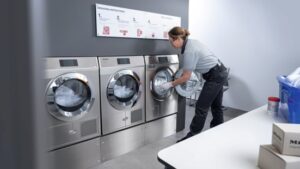
Upgrading your shop setup to advanced options like electrolux commercial laundry machines gives you access to precise water extraction features that spin clothes at incredibly high G-forces. Removing more water during the wash cycle directly reduces the time clothes need to spend inside the energy-hungry dryers.
Since drying clothes accounts for the largest portion of a laundromat’s total power bill, shortening every drying cycle by just five minutes across multiple machines adds up to thousands of ringgits in savings over a single year. Modern commercial fleets also feature intelligent weighing systems that automatically calibrate water levels and motor power based on the actual size of the laundry load, preventing utility waste during slower off-peak days.
Utilising Solar Energy to Offset Peak Day Rates
Integrating solar photovoltaic panels on your storefront roof is a practical long-term method to minimise your reliance on the national electricity grid. Commercial laundry setups feature large, flat roof profiles that remain exposed to direct sunlight for over eight hours a day. Installing a dedicated solar matrix allows you to generate independent operational power precisely during your peak daylight business hours when customer machine usage is highest.
Operating a hybrid solar setup helps cushion your business from standard commercial tariff spikes. Under the Net Energy Metering scheme managed by SEDA Malaysia, any excess solar electricity your roof generates during quiet weekday mornings can be fed back into the national grid in exchange for direct energy credits. This digital regulatory billing structure reduces your final net energy consumption and helps keep your monthly overhead predictable during changing seasonal periods.
The True Cost of Power Factor Penalties
Many new storefront investors fail to monitor their reactive power limits, resulting in expensive monthly financial penalties on their utility statements. When operating large arrays of electric motors simultaneously, the alignment between your voltage and actual working current can drift out of phase. TNB actively measures this operational balance using a system metric known as the power factor ratio.
Maintaining a low power factor ratio below 0.85 triggers an automatic surcharge that can instantly add hundreds of ringgit to your base monthly bill. You can easily fix this hidden infrastructure problem by installing a centralised capacitor bank right next to your main electrical distribution board. This specialised balancing hardware automatically stabilises your internal current delivery, removes wasteful current spikes, and ensures your storefront stays completely clear of expensive industrial grid penalties.
Conclusion
Managing an efficient laundry business requires constant attention to machine performance and utility costs. By understanding the low-voltage commercial tariff structure, calculating your exact machine power usage and keeping exhaust paths clear, you can keep your monthly utility bills manageable. Upgrading older machinery to smart, hyper-mining commercial structures reduces your utility bills and speeds turnaround times for customers. If you want to optimise your shop layout or upgrade to the latest energy-efficient commercial laundry systems, contact Launch Laundry today to build a highly profitable, sustainable business setup.
FAQs
What is the primary TNB tariff category for a standard laundromat in Malaysia?
Most small to medium-sized commercial laundromats operate under Tariff B, which is designated for Low Voltage Commercial customers. This category features a flat base rate alongside standard network and capacity charges per kilowatt-hour, making it straightforward to monitor compared to industrial categories.
How does the network and capacity charge affect my monthly commercial bill?
The combined network and capacity charge adds a fixed cost of 23.65 sen for every single kilowatt-hour your business consumes. This fee is added directly to your base energy consumption rate to cover the maintenance and operation of the national electrical grid infrastructure.
Can switching to gas-heated dryers lower my total electricity consumption?
Yes, using gas-heated dryers significantly lowers your overall power bill. Electric dryers require massive amounts of electricity to heat their internal coils, whereas gas models use a cleaner thermal source for heat, leaving electricity to power only the drum motor and internal display panels.
Why do high spin speeds on commercial washers save energy on dryers?
When a commercial washing machine utilizes an advanced high-speed spin cycle, it uses physical force to extract a large percentage of moisture from fabrics. Because the clothes come out much drier, they require far less time in the dryer, reducing your overall utility usage.
What is the Automatic Fuel Cost Adjustment on my commercial statement?
The Automatic Fuel Cost Adjustment is a variable line item that reflects the shifting costs of global generation fuels like coal and natural gas. Depending on market conditions and currency rates, this can appear as an extra surcharge or a small rebate on your monthly bill.
How often should I clean dryer vents to maintain optimal machine efficiency?
Dryer vents should be inspected and thoroughly cleaned at least once every three months. Heavy lint accumulation blocks the exhaust airflow, which traps humidity inside the drum, extends drying times, and forces the heating element to run longer than necessary.
Is it beneficial for a laundromat to switch to a Time-of-Use tariff?
Time-of-Use tariffs like Tariff C2 can be beneficial if a significant portion of your customer traffic occurs during off-peak night hours. However, because most laundromats see peak traffic during the day when rates are highest, a flat Low Voltage Commercial Tariff is usually more predictable.
How do modern inverter motors reduce electricity costs in commercial washers?
Modern inverter motors adjust their speed and power draw dynamically based on the specific phase of the wash cycle. Instead of drawing a massive surge of electricity when starting up, they smoothly scale power usage, reducing overall consumption and protecting internal components from wear.