


Common Reasons Laundromats Fail in Malaysia and How to Avoid Them
An empty self-service laundry shop with out-of-order signs taped to the glass is a heartbreaking sight for any small business owner. Many Malaysian investors jump into this industry thinking it is a foolproof way to generate automatic passive income while they sleep. They look at the high density of apartments and terrace houses and assume cash will just flow in without much effort. The reality is that while the service demand is massive, a shocking number of stores close down within their first two years of operations. Failing to understand machine care or missing the right laundry machine maintenance kit early on can quickly turn a promising retail storefront into a quiet financial disaster.
This comprehensive industry guide breaks down the hidden pitfalls that catch new Malaysian business owners completely off guard. Readers will learn about the major strategic mistakes, ranging from poor location mapping to critical cash flow mismatches. We will also cover essential hardware care strategies, water infrastructure planning, and modern service standards to keep your storefront running profitably.
The Hidden Trap of Poor Shoplot Selection
Choosing the wrong commercial property location is the fastest way to kill a self-service business before it even takes off. Many new owners try to save money by renting cheaper units on quiet side streets or hidden back alleys. They assume that customers will go out of their way to find them if their prices are low. This is a massive mistake because modern consumers prioritise daily convenience over everything else.
You need to position your store right where people naturally run their weekly errands. Placing your business next to a busy morning wet market, a popular neighbourhood mini-market, or a 24-hour convenience store ensures constant eyes on your signs. If residents do not see your shopfront during their normal daily routines, they will simply forget your business exists.
Parking availability is another make-or-break real estate factor that demands careful physical site inspection. Laundromat customers carry heavy, bulky baskets of wet clothing and oversized blankets. If they cannot find an open parking bay directly in front of your entrance doors, they will instantly drive away to a competing store that offers easier vehicle access.
Ignoring Routine Preventive Maintenance
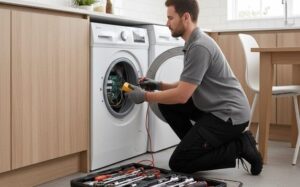
Thinking that commercial washing systems can run perfectly forever without regular mechanical tune-ups is a dangerous delusion. Heavy-duty washers and gas dryers take a massive beating from everyday public usage. Customers routinely overload the drums, leave sharp metal coins in their pockets, and use far too much thick detergent. Neglecting regular physical checkups leads to sudden machine breakdowns during busy weekend peak hours.
Every smart store owner should keep a fully stocked inventory of essential commercial washing machine repair parts hidden safely in their back storage room. Waiting until a major water valve or drum belt breaks to order replacements from overseas causes weeks of costly machine downtime. An out-of-order sign on a machine drives frustrated customers directly into the arms of local competitors.
Regularly cleaning out your industrial dryer lint traps and checking water intake hoses helps maintain optimal utility efficiency. When lint screens get clogged with thick dust, your dryers have to run twice as long to dry a single load of clothes. This mechanical drag rapidly drives up your monthly commercial gas bills and eats away your take-home profits.
Miscalculating Monthly Utility Overhead Costs
Underestimating the true cost of monthly water, electricity, and liquefied petroleum gas consumption can break your business cash flow within months. New investors often look only at their cheap shoplot rental rates when calculating their monthly operating budgets. They forget that high-capacity industrial machinery drains a massive volume of expensive resources during peak weekend periods.
Your ongoing utility bills will quickly become your absolute largest monthly expense item. If your machinery is older or poorly calibrated, it will consume an unsustainable amount of water and electricity per cycle. You must maintain a healthy cash buffer to cover these high utility bills during the early months while your store is still building its local customer base.
Failing to install energy-efficient hardware from day one makes it incredibly difficult to survive sudden municipal tariff hikes. Smart operators track their daily water and gas meters meticulously to spot hidden underground pipe leaks or faulty burner elements early. Keeping a precise handle on your variable utility consumption separates highly profitable setups from struggling storefronts.
Sourcing Weak Hardware and Unreliable Spares
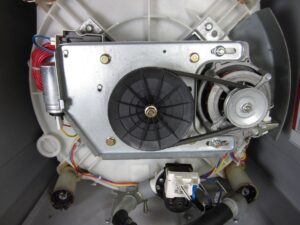
Buying cheap, non-branded laundry machinery to save a few thousand ringgit upfront is a short-sighted strategy that always backfires. Lower-end machines are built using fragile plastic internal components that fracture easily under continuous commercial pressure. When these cheap systems break down, finding authentic replacement parts for laundry machines becomes a logistical nightmare due to a lack of local distributor support.
A broken washer sitting empty on your shop floor earns zero revenue while still costing you fixed daily property rent. Investing your capital in established commercial brands guarantees that you can source genuine valves, bearings, and computer boards locally within a few hours. Quick mechanical turnarounds keep your storefront running at maximum capacity when local families need your services most.
High-quality industrial hardware also features advanced spin cycles that extract significantly more water from wet fabrics. This mechanical efficiency cuts down the total time your customers need to use the gas dryers, saving you massive amounts of money on bulk gas tank refills. Spending a bit more on robust, proven machinery during your initial setup phase protects your investment for decades.
Step by Step Failure Prevention Routine
Protecting your commercial investment requires building a rigid, uncompromising operational routine. Following a structured preventative schedule ensures that minor mechanical issues are caught and resolved before they turn into expensive business disasters.
- Execute Lint and Debris Clearing: Perform twice daily.
Clean out every single dryer lint screen in the morning and evening to maintain maximum airflow. Check the interior washer drums for forgotten bobby pins, loose bra wires, or stray coins that can crack the glass doors or puncture the outer tubs.
- Inspect Water Intake and Drain Lines: Perform every Monday.
Examine your main water inlet hoses for tiny hairline cracks, bulges, or loose connection valves. Clean out the main drainage troughs and debris filters to prevent dirty greywater from backing up onto your clean shop floor.
- Execute Deep Component Calibration: Perform every month.
Check the tension on your inner motor drive belts and tighten any loose structural bolts on the concrete machine plinths. Test the chemical flush systems to ensure liquid detergent and softener deposits do not clog up the intake valves.
- Conduct Certified Gas Infrastructure Audits: Every six months.
Hire a licensed gas technician to inspect your complete commercial burner assemblies, regulator valves, and external exhaust ducts. This critical safety check prevents dangerous carbon monoxide build-ups and protects your property from sudden fire hazards.
- Update Your Backup Spare Parts Supply: Annual review.
Review your back-room inventory and restock your emergency supply of water valves, door locks, and drain seals. Replace any worn-out tools in your mechanical kit to ensure you can perform instant emergency repairs during sudden peak holiday rushes.
Neglecting Basic Shop Hygiene and Safety
Allowing your store floor to become dirty, dark, and uninviting is a guaranteed way to alienate local family customers. Many unstaffed laundromats in Malaysia quickly become neglected, with sticky spilt detergent coating the tables and trash cans overflowing with lint. A messy environment signals to consumers that the business owner simply does not care about their property or their clientele.
- Rigid Cleaning Checklists: Sweep the main floors, wipe down the stainless-steel machine panels, and sanitise the folding tables every single morning.
- High Intensity Lighting: Install bright, clean LED light fixtures across the entire ceiling area to eliminate dark corners and create a warm vibe.
- Proactive Pest Control: Set up discrete bait stations around the back drainage lines to keep bugs and rodents completely away from clean customer clothing.
Safety is another major priority that should never be ignored to save a quick ringgit. Install high-definition security cameras that monitor the coin-changing machines, the main entrance doors, and the folding areas clearly. Keeping your space brightly lit and highly secure throughout the night protects your physical property and makes late-night female customers feel completely safe.
Failing to Adopt Modern Cashless Trends
Sticking exclusively to old-fashioned mechanical token wheels or coin-only drop slots will rapidly alienate younger tech-savvy consumers. The modern Malaysian public rarely carries heavy pockets of physical change anymore, preferring to complete their daily purchases using quick smartphone scans. A shop that forces people to search for exact paper bills to feed into an unreliable coin-changer will always lose out to modern alternatives.
Integrating versatile local e-wallet terminals that support Touch ‘n Go, GrabPay, and direct DuitNow QR codes makes your business incredibly convenient to use. Cashless payment systems also remove the constant threat of late-night store break-ins and property vandalism because there is no physical money stored on-site overnight. This digital upgrade drastically simplifies your weekly bookkeeping tasks.
Digital backend dashboards provide you with real-time sales logs and machine performance data directly on your mobile phone. You can easily track which specific days are quietest and run targeted digital promotions to boost your off-peak revenue. Embracing modern financial tech turns a traditional hands-on chore into a highly streamlined, modern retail operation.
Financial Allocation Models for Stable Operations
Balancing your startup budget correctly prevents your retail venture from running completely out of funds before your local marketing campaigns take root. Your capital reserves must be divided carefully across real estate costs, structural plumbing, and emergency operational funds.
- Upfront Asset Allocation: This covers your initial purchases of industrial-grade front-load washing units, stacked gas drying bays, and secure digital payment readers.
- Structural Mechanical Renovations: This involves heavy civil works like building thick concrete vibration plinths, installing three-phase electrical boxes, and setting up massive backup water tanks.
- Emergency Working Capital: This consists of keeping an active cash cushion to pay your fixed property rent and utility bills during the quiet initial launch phase.
Conclusion
Laundromat failures in Malaysia are rarely caused by a lack of local customer demand, but rather by poor operational management and cheap equipment choices. Success in this mature service sector requires a relentless focus on high-visibility suburban locations, pristine store cleanliness, and modern cashless payment conveniences. Protecting your initial capital investment means treating your industrial washers and dryers with professional care through disciplined preventative maintenance schedules.
Keep your back storage rooms stocked with essential mechanical components to minimise frustrating machine downtime and protect your neighbourhood brand reputation. Partnering with a deeply experienced industrial design team removes the confusion from your initial construction phase. Launch Laundry provides complete end-to-end business support, helping you map out high-traffic neighbourhoods, source ultra-durable commercial hardware, and build a highly profitable automated store that stands the test of time.
FAQs
Why do so many new self-service laundry shops in Malaysia close down within two years?
Most store failures stem from choosing poor shoplot locations with hidden visibility and ignoring routine machinery maintenance. High breakdown frequencies and long machine waiting times rapidly destroy consumer trust, driving local residents to nearby cleaner competitors.
How does a dedicated laundry machine maintenance kit help protect a store owner’s investment?
A dedicated care package contains essential gaskets, structural seals, and specialty lubricants needed to perform regular minor tune-ups. Catching small friction issues early prevents catastrophic motor burnouts, keeping your machines running at peak efficiency for years.
What are the most critical commercial washing machine repair parts to keep on-site?
Store owners should always keep a backup supply of high-wear components like door lock assemblies, drain valves, water inlet solenoids, and drive belts. Having these components ready in your back room eliminates long waiting times for shipping during peak busy seasons.
How can a business owner reduce their monthly commercial water and electricity bills?
The most effective way to cut utility overhead is upgrading to high-speed extraction washers that remove more water during the spin cycle. This drastically reduces the total drying time needed, saving you significant amounts of money on bulk gas consumption.
Where can I quickly source reliable replacement parts for laundry machines in Selangor?
Durable replacement components should always be ordered through authorized local commercial equipment distributors. Authorized partners maintain fully stocked domestic warehouses, ensuring you receive genuine factory-calibrated components quickly without international shipping delays.
Why is front-row parking access so crucial for a laundromat shoplot?
Customers carry heavy, cumbersome bundles of wet clothing, oversized blankets, and dense floor mats. If your storefront lacks easy, accessible parking spaces directly outside the front doors, clients will choose a more accessible shop down the road.
Can an automated self-service laundry business operate successfully without cash options?
Yes, modern stores can run successfully on a completely cashless basis. Integrating smartphone QR scanners that connect to local mobile e-wallets matches modern consumer habits while completely removing the security risks of on-site cash storage.
How often should an unstaffed laundry store undergo deep physical cleaning?
The store floor, stainless panels, and folding tables should be swept and sanitized at least once or twice every day. Keeping your space spotlessly clean and smelling fresh creates a premium, safe environment that builds strong long-term neighborhood loyalty.