


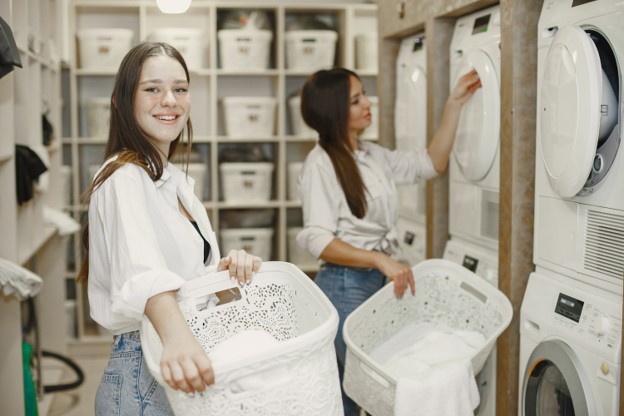
How to Own Multiple Laundromats in Malaysia: Scaling from 1 Outlet to 5
Opening a single self-service coin laundry in a bustling commercial hub like Cheras or Shah Alam is an excellent way to secure passive income. Watch the shop operate for six months, and the numbers speak for themselves. The machines collect cash or e-wallet payments upfront, requiring zero inventory and minimal daily staff management. This highly reliable retail setup makes many owners ask a natural next question. How do you duplicate that success across three, four, or five different locations without burning out?
Scaling a commercial laundry business from a single outlet to a multi-store network changes your daily role from a shop operator into a regional investor. The shift requires moving away from manual, hands-on management and focusing strictly on location metrics, machine durability, and digital oversight. Expanding your footprint successfully depends on choosing highly reliable machinery and building a repeatable setup system. Relying on premium speed queen commercial laundry machines gives multi-store owners the long-term structural durability needed to manage high-volume daily usage across several geographic locations.
This Blog details the strategic path to expanding your laundry brand across Malaysia. You will learn how to fund your second location using existing cash flow, build a streamlined maintenance system, and maintain complete operational control over five different stores simultaneously.
Timing Your Second Location Launch
Expanding too quickly is a common mistake that can destabilise a profitable first shop. You should avoid looking for a second retail space until your initial outlet has operated smoothly for at least nine to twelve consecutive months. This timeframe gives you enough data to understand seasonal utility fluctuations, water consumption patterns, and local holiday revenue drops during periods like Chinese New Year or Hari Raya.
Your first store must achieve financial independence before you begin expansion. It needs to generate steady, predictable monthly net profits while fully covering its own rent, utilities, and emergency repair costs. The ideal time to expand is when your original shop retains enough surplus cash flow to help fund the down payments for your next lease and utility deposits.
Funding Multiple Outlets Without Trapping Cash Flow
Building a network of five stores requires a smart capital allocation strategy to avoid draining your bank accounts. Relying entirely on personal savings to build every outlet creates significant cash flow pressure. Successful multi-store owners use a balanced combination of business profit reinvestment, commercial equipment financing, and flexible machine leasing.
Securing commercial equipment financing allows you to preserve your liquid cash for retail deposits, shop renovations, and unexpected plumbing upgrades. Many machinery distributors offer specialised financing packages tailored specifically for multi-outlet expansion. Spreading your equipment payments over three to five years lets your new locations pay for their own machinery using daily operational profits.
Selecting Durable Machinery for Multi-Store Stability
Managing equipment failures across five separate locations can quickly become overwhelming if you use residential-grade appliances. A single broken washer during a busy weekend directly reduces your daily revenue and frustrates local customers. Scaling your business successfully requires installing heavy-duty, industrial-grade equipment designed to run continuously without breaking down.
- Single Shop: Minor repairs are manageable on-site.
- Five Shops: Frequent breakdowns disrupt regional operations and drain maintenance budgets.
- Solution: Standardise heavy-duty commercial machinery across all locations.
Investing in premium equipment from an authorized speed queen laundry equipment supplier provides the heavy steel construction and advanced engineering needed for multi-site operations. These specialized commercial machines feature durable suspension systems and industrial drive motors that easily handle heavy blankets, large curtains, and constant daily use. Standardising your equipment across every outlet simplifies your maintenance schedule, since your technicians only need to master a single machine configuration.
Designing a Streamlined Remote Management System
Running five separate locations successfully requires eliminating the need for daily, in-person store visits. You can achieve this by installing a centralised digital management system to monitor all operations from your smartphone. Modern commercial laundromats rely on internet-connected control boards to track sales data and manage machinery remotely.
Smart management software allows you to view real-time revenue performance, track peak customer hours, and monitor utility usage for every outlet. If a customer experiences an issue with a specific machine, you can reset or activate that washer remotely using a mobile app. Combining this remote software with high-definition IP security cameras allows you to manage security, cleanliness, and cash collection without leaving your home office.
Alt tag: Alliance commercial laundry machines
Optimising Layouts and Standardising Spare Parts
Replicating your physical store layout makes expanding into new neighbourhoods much easier. When you open your third or fourth outlet, use the same plumbing layouts, electrical configurations, and gas line designs as your successful early stores. This structural consistency helps your contractors complete renovations quickly, saving you money on setup costs and reducing launch delays.
Standardising your equipment choices across all locations also simplifies your long-term parts management. Choosing a single brand like alliance commercial laundry machines allows you to keep a small inventory of universal spare parts on hand, including drain valves, door seals, and inlet hoses. This uniform approach ensures that a part from your inventory will fit any machine in your network, allowing you to resolve mechanical issues quickly and reduce machine downtime.
Core Growth Milestones
Scaling your business from a single local storefront into a five-store regional network requires hitting clear operational and financial milestones at each stage of growth.
Operational Scaling Path
- The Single Store (Months 1–12): Focus heavily on learning local utility costs, perfecting your daily cleaning schedules, and building a reliable customer base.
- The Second and Third Outlets (Months 13–24): Set up remote monitoring tools, automate your daily cash management, and use early profits to secure equipment financing.
- The Four to Five Store Network (Months 25+): Standardise your spare parts inventory, hire dedicated maintenance technicians, and shift your focus to regional marketing.
Selecting High-Yield Regional Locations
Finding the right locations is critical when expanding your brand across different neighbourhoods. Avoid placing your stores too close together to prevent your outlets from competing for the same local customers. Look for densely populated residential areas with a high concentration of high-rise flats, student apartments, or busy worker housing.
Your chosen retail lots must have excellent visibility, ground-floor access, and convenient front-facing parking spaces to make dropping off heavy laundry easy for customers. Ensure the building infrastructure can support high-capacity water lines, 3-phase electrical supplies, and proper exhaust ducting for industrial gas dryers. Checking these utility requirements early prevents expensive renovation delays and protects your expansion budget.
Balancing Cashless Payments and Token Systems
Malaysian consumers expect flexible payment options when visiting a modern self-service laundromat. Relying exclusively on traditional physical coin tokens requires frequent store visits to collect cash and refill token machines. Introducing a hybrid payment system helps streamline your financial operations across a multi-store network.
Integrating local e-wallets, QR codes, and debit card terminals allows customers to start machines quickly using their mobile phones. Cashless payments flow directly into your commercial bank account, reducing cash handling risks and saving you hours of manual collection work each week. Retaining a token backup option ensures your store remains accessible to all types of customers while shifting the majority of your transactions to secure digital tracking.
Mastering Bulk Chemical and Detergent Supply Chains
Operating a single laundromat means you can easily purchase commercial liquid detergents and fabric softeners in small batches whenever your inventory runs low. Shifting your focus to managing five separate stores requires a highly coordinated bulk purchasing strategy to preserve your profit margins. Buying your laundry chemicals in large, concentrated drums directly from commercial chemical manufacturers dramatically lowers your cost per wash cycle.
Standardising your chemical formulas across your entire network ensures that customers experience the same high-quality washing results regardless of which neighbourhood branch they visit. You will need to set up automated chemical injection pumps on all your washing units to prevent product wastage and avoid messy detergent spills. Controlling your chemical dispensing rates through these automated systems keeps your store floors clean while ensuring your monthly utility and supply budgets stay entirely predictable.
Establishing an Efficient Regional Cash Collection Routine
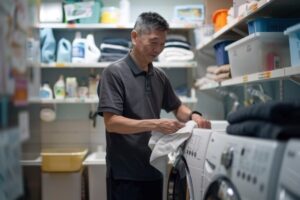
Managing cash flow smoothly across multiple retail outlets requires creating a highly disciplined collection schedule to secure your daily revenue. Even with a large percentage of customers adopting mobile e-wallets, your physical token machines and coin changers will still collect thousands of Ringgit in cash each week. You should establish a strict, secure collection route to clear out cash bins during low-traffic morning hours to minimise operational disruptions.
Investing in high-grade, commercial coin counters saves your team hours of manual sorting work and keeps your accounting data completely accurate. Many successful multi-store owners choose to hire specialised security transport services or train a trusted regional manager to handle these weekly bank deposits legally and safely. Keeping your physical cash collection organised and secure protects your business from internal tracking errors and provides a clear financial overview of your expanding network.
Conclusion
Scaling a commercial laundry business to five outlets in Malaysia is an achievable goal if you focus on operational consistency and equipment durability. Moving beyond your first shop requires moving away from manual management and adopting automated systems, remote tracking tools, and uniform store designs. Standardising your machinery choices allows you to simplify maintenance, reduce unexpected downtime, and secure higher profit margins across your entire network. Preserving your liquid capital through equipment financing ensures your business can expand steadily without facing severe cash flow restrictions.
Having a dependable technical partner makes a significant difference when expanding your business footprint. Launch Laundry provides comprehensive site analysis, professional shop design, and reliable utility setup support for growing laundry brands. They supply top-tier commercial machinery, manage automated payment integrations, and maintain an extensive stock of genuine factory spare parts nationwide. Partnering with a dedicated service provider gives you the technical backing and machinery support needed to build a highly profitable, multi-outlet laundry network across Malaysia.
FAQs
What is the ideal distance to maintain between multiple laundry outlets?
You should keep a distance of at least three to five kilometers between your stores to avoid overlapping customer bases. Placing outlets in distinct residential neighborhoods allows each shop to capture its own local market without reducing the profitability of your existing locations.
How do you handle daily cleaning duties across five different locations?
Multi-store owners typically hire part-time cleaning staff or local cut-and-fold operators to clean each shop twice daily. Standardizing your cleaning tasks ensures consistent hygiene standards across all locations without requiring your physical presence every day.
Can I use a single corporate bank account to track revenue for all five stores?
You can use a main corporate account, but you should use a smart payment management system to tag transactions by location. Tracking sales data by individual shop allows you to monitor the financial health of each outlet and identify locations that need extra marketing support.
What should I do if multiple machines break down at different locations on the same day?
Standardizing your equipment allows you to handle multiple technical issues efficiently. Keeping a central stock of universal spare parts means your technician can travel between locations and complete repairs quickly, reducing machine downtime.
How much capital should I reserve for emergency machinery repairs?
You should set aside 3% to 5% of each store’s monthly gross revenue into a dedicated emergency maintenance fund. This fund ensures you can cover unexpected utility repairs, component replacements, or electrical upgrades without disrupting your main business cash flow.
Do multi-store networks require a centralized warehouse for spare parts?
You do not need a large warehouse to store parts for a five-store network. A small, secure storage room at your primary location is sufficient for keeping essential components like drain valves, belts, and door seals organized and ready for use.
Is gas or electricity more cost-effective for running multiple commercial dryers?
Centralized Liquefied Petroleum Gas systems are generally more cost-effective for operating high-capacity commercial dryers in Malaysia. Gas dryers heat up faster and dry clothes more efficiently than standard electric models, helping reduce your monthly utility bills during peak periods.
How long does it take to set up a brand-new multi-store location from scratch?
Setting up a new location generally takes between eight and twelve weeks after securing the lease. This timeline includes obtaining local council permits, completing plumbing and electrical installations, setting up gas systems, and positioning your commercial machinery.