


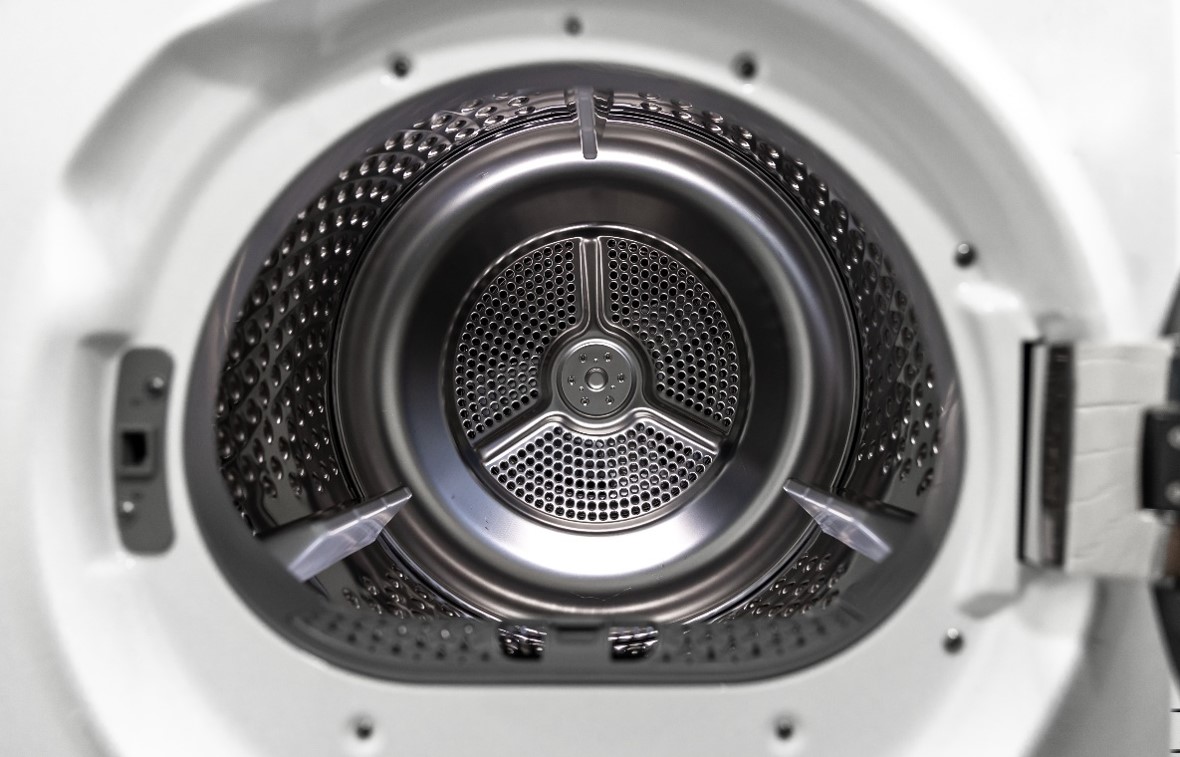
Common Installation Mistakes That Damage Commercial Laundry Machines
A commercial washer breaking down after just a few months is not always caused by bad manufacturing. In many laundry businesses, the real damage starts on installation day. One wrong drain angle. A weak water pressure setup. Poor electrical grounding. Tiny mistakes quietly build into expensive repairs later.
That is exactly why experienced laundry operators pay close attention to setup work and proper handling of commercial laundry machine spare parts from the beginning.
Commercial laundry systems are built to handle heavy loads, long operating hours, and constant customer use. Still, even the strongest industrial washer can fail early when installed incorrectly. Motors burn out faster. Bearings wear unevenly. Water valves crack. Vibration damages internal components. The repair costs pile up before the machine even reaches its expected service life.
A surprising number of services calls across laundromats, hotels, and healthcare facilities come from avoidable installation problems rather than factory defects. Technicians often discover that the machine itself was fine. The environment around it was not.
This blog breaks down the most common installation mistakes that damage commercial laundry machines, why these problems happen, and how businesses can prevent costly downtime before it starts.
Why Proper Installation Matters More Than Most Operators Think
Commercial laundry equipment works under pressure every single day. Heavy drum rotations, high-temperature cycles, water pressure fluctuations, and nonstop customer traffic push machines hard. A small setup error becomes much bigger after thousands of wash cycles.
According to industry service reports from commercial laundry maintenance providers, improper installation contributes heavily to:
- premature bearing failure
- water leakage
- electrical board damage
- excessive vibration
- early replacement of machine components
Replacement costs for industrial washers are rarely cheap either. A damaged motor assembly or failed control board can cost thousands, especially when sourcing specialized replacement parts for laundry machines.
Strong installation practices reduce:
- repair frequency
- utility waste
- emergency downtime
- machine lifespan reduction
That matters a lot in coin laundries where machine availability directly affects daily income.
Incorrect Floor Leveling Creates Constant Internal Stress
One of the biggest installation mistakes is poor machine leveling. Commercial washers spin at extremely high speeds. Even a slight tilt places uneven pressure on suspension systems, bearings, and drum assemblies.
At first, operators may only notice:
- mild shaking
- unusual noise
- slight movement during spin cycles
After several months, the problems get worse.
The machine starts “walking” across the floor. Shock absorbers weaken faster. Internal mounting brackets crack. Bearings overheat. Eventually major repairs become unavoidable.
This issue is common in:
- self-service laundromats
- hotel laundry rooms
- basement installations
- older buildings with uneven concrete flooring
Experienced technicians always use industrial leveling tools before final setup. Some even recheck alignment after the first week of operation because heavy use can slightly shift machine positioning. A poorly leveled machine slowly destroys itself from the inside.
Weak Electrical Connections Damage Control Systems
Modern commercial washers rely heavily on electronic control boards and smart operating systems. Power instability is brutal for these components.
One poorly installed electrical line can trigger:
- voltage fluctuation
- overheating
- short circuits
- random shutdowns
- motherboard failure
Many laundromat owners try to cut installation costs by hiring general electricians unfamiliar with laundry systems. That decision often becomes expensive later.
Industrial laundry machines require:
- correct voltage ratings
- stable grounding
- dedicated breakers
- proper wire sizing
- surge protection systems
Control boards are among the most expensive commercial laundry machine spare parts to replace. In some imported systems, replacement boards may even require overseas ordering, extending downtime for weeks.
Laundry equipment manufacturers frequently reject warranty claims when improper electrical installation is discovered during inspection. That part hurts twice. First the repair bill, then the lost warranty protection.
Poor Water Pressure Setup Reduces Machine Efficiency
Commercial washers are designed to work within very specific water pressure ranges. Low pressure creates slow fill times and incomplete washing cycles. Excessively high-pressure damages valves, hoses, and inlet systems over time.
Technicians often find cracked inlet valves caused by uncontrolled pressure spikes. Water hammer effects can also weaken internal plumbing connections.
Signs of bad water pressure setup include:
- inconsistent wash quality
- frequent fill errors
- leaking inlet hoses
- valve failure
- unusually long cycle times
A proper installation includes pressure testing before operation begins.
Industrial facilities usually install:
- pressure regulators
- water filtration systems
- shutoff controls
- flexible commercial-grade hoses
Skipping these small upgrades creates long-term wear on internal components and increases dependency on replacement service calls from an industrial washing machine parts dealer.
Incorrect Drainage Installation Causes Hidden Damage
Drainage mistakes are sneaky because the damage builds quietly.
A poorly designed drain line can cause:
- water backup
- pump overload
- standing water
- mold growth
- internal corrosion
Drain hoses installed at the wrong height are especially problematic. Commercial washers require a precise drain flow balance. Incorrect positioning forces pumps to work harder than designed.
Eventually:
- drain pumps burn out
- sensors fail
- Moisture damages electrical systems
One laundromat operator in Kuala Lumpur reportedly faced repeated pump replacements within a single year before technicians discovered the drain slope was incorrect from day one.
The machines themselves were never defective. Drainage design matters much more than many installers realize.
Ignoring Ventilation Requirements Overheats Components
Heat is brutal on laundry equipment. Dryers especially require proper airflow and ventilation clearance. Without it, internal temperatures rise fast.
Overheating damages:
- belts
- motors
- sensors
- heating elements
- electrical boards
Poor airflow also increases lint buildup inside machines. That creates fire risk along with reduced performance.
A common mistake in compact laundromat spaces is pushing machines too close together to save floor space. Tight spacing restricts airflow and traps heat around the equipment.
Professional installers usually follow manufacturer clearance guidelines carefully for this reason. Commercial laundry systems need room to breathe.
Using Cheap Hoses and Connectors Leads to Early Failure
Budget installations often use low-quality connectors, valves, and hoses. That shortcut usually backfires. Commercial laundry environments operate under heavy vibration and repeated pressure cycles. Cheap fittings wear out quickly under constant stress.
Leaks begin slowly:
- small drips behind machines
- moisture around valves
- minor hose swelling
Eventually, fittings burst or crack.
Water damage inside laundromats spreads fast. Floors weaken. Walls absorb moisture. Electrical hazards increase. Nearby machines may also suffer secondary damage.
Reliable operators invest in commercial-grade plumbing hardware and durable commercial laundry service tools and parts during installation instead of waiting for emergency failures later.
Preventive spending saves much larger repair costs.
Improper Machine Anchoring Increases Structural Wear
Some industrial washers require anchoring systems depending on machine size and spin speed. Skipping anchoring creates severe vibration problems. High-speed extraction cycles generate intense movement forces. Without stabilization:
- Suspension systems wear faster
- frame structures weaken
- bolts loosen
- internal alignment shifts
This issue is common with large-capacity washers in:
- hospitals
- industrial laundries
- high-volume laundromats
Technicians sometimes discover cracked concrete around unanchored machines after years of excessive vibration.
Anchoring may not look important during installation, but it directly affects machine lifespan.
Failure to Test Machines After Installation
One overlooked step causes many future service headaches. No proper post-installation testing. Some installers complete the setup, run one quick cycle, then leave. That is not enough.
Professional commissioning includes checking:
- water pressure stability
- vibration levels
- electrical readings
- drainage performance
- cycle calibration
- leak detection
Small issues discovered early are easy to fix. Small issues ignored early become expensive failures later. Experienced service teams often run multiple test loads before approving the final operation.
Coin Laundry Machines Need Even More Care
Self-service laundromats place extreme pressure on equipment because machines operate almost nonstop.
Improper setup in coin laundries quickly damages:
- coin systems
- payment sensors
- control boards
- drum supports
- locking systems
Many operators underestimate how critical installation quality is for the longevity of coin laundry machine spare parts.
Machines in unattended laundromats cannot rely on staff constantly monitoring performance. A small installation flaw may continue causing damage for weeks before anyone notices.
This is why successful laundromat operators usually work with experienced commercial laundry installers rather than general contractors.
The setup phase determines long-term profitability more than many people expect.
Real-World Lesson from a High-Volume Laundry Facility
A Southeast Asian hospitality laundry facility experienced repeated bearing failures across three industrial washers within 18 months.
Initial assumptions blamed machine quality.
After the investigation, technicians discovered:
- The floor foundation had slight uneven settling
- The drain vibration transferred stress into the machine frame
- The anchoring bolts were incorrectly installed
Correcting the installation problems stopped the repeated failures almost immediately.
Repair expenses had already exceeded tens of thousands of dollars by then. One setup mistake created a chain reaction of damage across multiple systems. Cases like this are more common than many operators realize.
How to Prevent Installation-Related Laundry Machine Damage
Proper planning prevents most early machine failures.
A strong installation process usually includes:
Work With Specialized Laundry Technicians
Commercial laundry equipment is very different from household appliances. Specialized installers understand pressure systems, ventilation requirements, machine balancing, and operational load demands.
Use High-Quality Parts During Setup
Cheap fittings create expensive failures later. Reliable replacement parts for laundry machines and durable installation hardware improve long-term performance.
Schedule Preventive Inspections
The first few months matter a lot. Early inspections help detect:
- vibration issues
- water leaks
- loose connections
- drain stress
- electrical instability
Source Parts from Trusted Suppliers
Reliable support from an experienced industrial washing machine parts dealer helps businesses avoid long downtime during repairs.
Follow Manufacturer Specifications Closely
Clearance spacing, electrical requirements, anchoring methods, and ventilation rules exist for a reason. Ignoring them shortens equipment lifespan fast.
Why Installation Mistakes Often Go Undetected
A tricky part about installation damage is timing. Many problems do not appear immediately.
Machines may run normally for:
- weeks
- months
- sometimes a year
Then sudden failures start happening.
Owners often blame machine brands when the real cause traces back to installation shortcuts made long ago.
Commercial washers are built tough. Still, constant strain eventually exposes hidden weaknesses in poor setups. That delayed effect makes professional installation even more important.
The Cost of Getting It Wrong
Installation mistakes affect more than repair bills.
They also impact:
- customer satisfaction
- business reputation
- utility efficiency
- machine uptime
- labor costs
A single out-of-service washer in a busy laundromat can reduce daily revenue quickly. In hotels or healthcare facilities, downtime disrupts entire operations.
Frequent repairs also increase demand for expensive commercial laundry machine spare parts, which may not always be available immediately.
Reliable setup is not just technical protection. It is business protection too.
Conclusion
Commercial laundry equipment is designed for heavy-duty performance, but even the best machines struggle when installed incorrectly. Uneven flooring, weak electrical systems, poor drainage, low-quality fittings, and ventilation mistakes quietly destroy components over time. Most of these failures are preventable with proper planning, experienced technicians, and quality installation standards.
A careful setup process protects machine lifespan, reduces repair costs, improves operational efficiency, and limits dependency on emergency replacement parts. Smart operators understand that installation is not a small step in the process. It is the foundation of long-term laundry business success.
Businesses looking for reliable guidance, commercial laundry support, and professional equipment solutions often turn to Launch Laundry for long-term operational reliability.
FAQs
What are the most common installation mistakes in commercial laundry machines?
The most common mistakes include poor leveling, incorrect drainage setup, weak electrical connections, improper ventilation, and low-quality plumbing fittings.
Why do commercial washers vibrate excessively after installation?
Excessive vibration usually happens because the machine is not leveled properly or lacks correct floor anchoring.
How can poor electrical installation damage laundry equipment?
Improper voltage, unstable grounding, and overloaded circuits can damage control boards, motors, and sensors inside commercial washers.
Why is drainage setup important for industrial washers?
Incorrect drainage creates pump overload, water backup, corrosion, and long-term internal component damage.
Where can businesses source reliable commercial laundry machine spare parts?
Businesses usually work with authorized suppliers or experienced industrial washing machine parts dealers for reliable component sourcing.
How often should commercial laundry machines be inspected after installation?
Most experts recommend inspections during the first few months of operation and regular preventive maintenance afterward.
What causes early failure of coin laundry machine spare parts?
Poor installation, nonstop operational stress, vibration issues, and weak electrical systems are major causes of premature part failure.
Why are commercial-grade hoses important in laundry installations?
Commercial-grade hoses handle high pressure and heavy vibration better, reducing leak risks and long-term plumbing failures.
How do ventilation problems affect commercial dryers?
Poor ventilation causes overheating, lint buildup, reduced efficiency, and damage to motors and heating components.
What should businesses look for in commercial laundry service tools and parts?
Businesses should prioritize durability, compatibility, supplier support, and manufacturer-approved quality standards.