


Why Commercial Laundry Businesses Fail and How Equipment Planning Prevents It
Three laundromats opened in the same Malaysian district within eight months. One crossed break-even in under a year. One struggled with endless machine breakdowns. The third quietly shut down before its second anniversary. Same market. Similar rent. Similar customer demand. The difference came down to planning. More specifically, equipment planning.
A lot of new owners focus heavily on branding, renovation, and launch promotions. Few spend enough time understanding machine capacity, utility usage, maintenance support, or supplier reliability. That gap creates problems fast. Poor equipment decisions drain cash slowly at first, then all at once.
Commercial laundry is not a simple “buy machines and wait for customers” business anymore. Utility costs are rising. Customers expect speed. Downtime damages trust. Smart laundromat owners now treat equipment planning as the backbone of the business. That is why many investors research suppliers like alliance laundry systems in malaysia before even signing a rental agreement.
This blog breaks down the real reasons commercial laundry businesses fail and how proper equipment planning prevents expensive mistakes from day one.
The Commercial Laundry Industry Looks Easy from The Outside
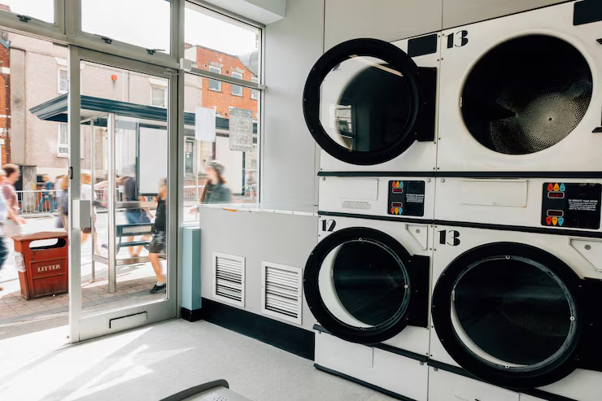
Rows of washers. Dryers are spinning all day. A mostly self-service setup. It sounds low-maintenance. Reality feels different after opening.
Commercial laundries operate on tight margins. Water usage, electricity bills, machine servicing, spare parts, and customer retention all affect survival. One wrong equipment decision can create nonstop operational stress.
Industry reports from laundromat operators across Southeast Asia show recurring failure patterns:
- undersized equipment
- Poor machine durability
- Weak supplier support
- expensive repairs
- wrong store layout
- inconsistent drying performance
Many failures begin long before the first customer walks in.
Bad Equipment Planning Creates Slow Financial Damage
Poor planning rarely destroys a business overnight. It chips away month after month. A laundromat owner may choose cheaper machines to reduce startup costs. Six months later, frequent breakdowns begin. Customers start leaving negative reviews. Dryer heating becomes inconsistent. Water consumption climbs. Staff spend hours calling technicians.
Profit slowly disappears.
Equipment decisions affect:
- operating costs
- customer experience
- maintenance frequency
- utility efficiency
- repair downtime
- long-term scalability
A store with poor planning often spends more time fixing problems than preventing them.
Wrong Machine Capacity Is One of the Biggest Mistakes

New owners often buy machines based on budget instead of demand forecasting. A small washer lineup may look affordable at first. Peak-hour congestion quickly becomes a problem. Customers hate waiting. Some never return after one bad experience.
Oversized equipment can also hurt profitability. Huge industrial washers in low-volume locations waste electricity and water.
Good equipment planning studies:
- Daily customer traffic
- Family household size nearby
- Student or hostel populations
- Peak washing hours
- Future expansion potential
Experienced suppliers usually map capacity before recommending machine quantities. Strong operators working with an alliance laundry equipment dealer often prioritise balancing machine mix instead of simply maximising machine count. That difference matters more than many people think.
Cheap Machines Become Expensive Later
Price-focused buying destroys many laundromats.
Lower-cost machines often come with:
- weaker components
- inconsistent performance
- shorter lifespan
- limited spare parts access
- poor energy efficiency
Repair bills stack up fast. Downtime becomes normal.
Commercial laundry equipment works under heavy daily stress. Residential-grade thinking does not survive in this industry.
Many successful operators invest in proven commercial brands because reliability affects customer retention directly. A dryer that suddenly stops heating on a rainy weekend can trigger dozens of complaints in a single day.
Brands like Electrolux commercial laundry machines gained traction globally because laundromat owners prioritise durability, lower water usage, and consistent cycle performance over cheap upfront pricing.
Short-term savings often create long-term operational pain.
Supplier Support Matters More Than Most Owners Expect
A machine supplier is not just a seller. They become part of business operations. That reality usually becomes obvious during emergencies.
One laundromat owner in Johor reportedly lost almost two weeks of revenue waiting for imported spare parts after a control board failure. Customers shifted permanently to competitors nearby.
Reliable suppliers provide:
- installation guidance
- utility planning
- maintenance support
- technician access
- spare parts inventory
- troubleshooting assistance
Poor supplier response can cripple operations during breakdowns.
Commercial laundry businesses running multiple branches often build long-term partnerships with suppliers instead of constantly chasing cheaper alternatives. Many prefer working with a trusted Speed Queen laundry equipment supplier because fast servicing and replacement support reduce operational risk. Support quality becomes even more critical during expansion.
Utility Costs Quietly Kill Profit Margins
Water and electricity bills destroy badly planned laundromats.
High utility consumption usually comes from:
- outdated machine technology
- oversized equipment
- poor heat efficiency
- incorrect installation
- excessive dryer cycle times
Modern commercial laundry equipment focuses heavily on efficiency because utilities directly impact profitability.
High-efficiency washers reduce water usage significantly over time. Better extraction speeds shorten drying cycles. Smart control systems improve cycle consistency.
A laundromat saving even 15% monthly on utilities may gain thousands in annual profit difference.
Energy-efficient planning is no longer optional in competitive markets.
Poor Store Layout Reduces Revenue
Equipment planning is not only about machine brands. Store flow matters too. Customers dislike cramped layouts, blocked folding zones, or confusing machine placement. A badly arranged laundromat creates frustration during busy periods.
Good layouts improve:
- movement flow
- waiting comfort
- visibility
- machine accessibility
- cleaning efficiency
Experienced consultants often separate heavy-use washers from folding areas to reduce congestion. Dryer positioning also affects customer movement patterns.
Some laundromats lose repeat customers simply because the experience feels stressful.
Small operational details matter more than flashy renovation designs.
Maintenance Planning Is Often Ignored Completely
Many new owners assume commercial machines will run smoothly for years without preventive maintenance. That assumption becomes expensive quickly.
Belts wear out. Filters clog. Heating systems weaken. Drainage problems appear slowly. Ignored issues turn into major breakdowns later.
Strong laundromat operators usually follow scheduled maintenance systems instead of waiting for failures.
Basic preventive maintenance includes:
- drum inspections
- vent cleaning
- calibration checks
- hose inspections
- water inlet maintenance
Regular servicing extends the machine’s lifespan significantly. Some suppliers also provide maintenance training to help owners reduce avoidable repair costs.
Customer Experience Depends on Equipment Reliability
Customers rarely care about technical specifications. They care about results.
Clothes should:
- wash properly
- dry completely
- smell clean
- finish quickly
Equipment reliability directly shapes customer loyalty.
Poor washing results create instant distrust. Social media complaints spread quickly, especially in dense urban areas.
Modern customers expect:
- cashless payment systems
- shorter cycle times
- mobile notifications
- reliable drying performance
- clean machine interiors
Commercial laundries competing today cannot rely only on location advantage anymore. Machine quality affects brand reputation every single day.
Expansion Becomes Difficult Without Standardised Equipment
Scaling a laundromat business becomes messy when equipment choices are inconsistent.
Some owners buy random machine models from different suppliers over time. Maintenance becomes harder. Spare part inventory becomes confusing. Staff training gets inconsistent.
Standardised planning improves:
- servicing efficiency
- technician familiarity
- operational consistency
- inventory management
Multi-branch laundromat operators often choose one supplier ecosystem and stay consistent across locations. This reduces long-term operational headaches significantly.
An experienced Electrolux laundry machine supplier may also help owners standardise expansion planning based on future branch goals rather than only current needs. That forward-thinking approach prevents scaling problems later.
Strong Equipment Decisions Create Long-Term Business Confidence
Many successful laundromat owners admit the hardest part was not opening the business. Keeping operations smooth year after year was the real challenge. Reliable equipment creates confidence because owners spend less time dealing with complaints, breakdowns, or lost revenue. Customers notice consistency quickly. Clean washing results, fast drying times, and dependable machines encourage repeat visits naturally. Smart operators also plan for future growth early instead of replacing everything later. Careful supplier selection, efficient machine planning, and long-term operational thinking often separate struggling laundromats from businesses that continue growing steadily in competitive markets.
Financing Mistakes Also Play a Role
Equipment planning and financing are deeply connected. Some owners overspend on renovations while underinvesting in machine quality. Others spend heavily upfront without budgeting for maintenance reserves.
Healthy planning balances:
- machine investment
- renovation costs
- operating cash flow
- emergency repairs
- marketing budget
Cash flow pressure destroys many laundromats during the first 18 months.
Good planning creates breathing room.
Real-World Example: Two Different Outcomes
A mid-sized laundromat in Kuala Lumpur invested heavily in interior design but used lower-cost imported machines with limited local support. Customer traffic started strong. Machine failures increased within the first year. Reviews dropped. Maintenance delays created frustration. The business eventually downsized operations.
Another operator in Penang spent more carefully on commercial-grade equipment and utility planning. The store looked simpler but operated efficiently. Utility bills stayed controlled. Downtime remained low. Customer retention improved steadily.
Fancy interiors attract first visits. Reliable operations create long-term survival. Smart Equipment Planning Starts Before Buying Machines Strong laundromat planning begins with business analysis first.
Important planning questions include:
What Is The Expected Customer Volume?
Traffic forecasting helps determine washer and dryer capacity needs.
What Utilities Are Available?
Water pressure, electrical load, and drainage systems affect equipment compatibility.
What Is The Local Customer Profile?
Families, students, tourists, and hostel residents all create different washing patterns.
How Fast Can Spare Parts Arrive?
Downtime planning matters just as much as machine performance.
Can The Equipment Scale Later?
Expansion planning prevents future replacement costs.
Good planning reduces surprises later.
Technology Is Changing Commercial Laundry Operations
Modern laundromats increasingly use:
- IoT monitoring
- cashless payment systems
- remote diagnostics
- cycle tracking
- mobile app integration
Technology improves operational control and customer convenience.
Owners can monitor:
- machine usage
- utility consumption
- error alerts
- revenue patterns
Data-driven laundromats often outperform traditional setups because problems are identified earlier. Older equipment may struggle to support newer customer expectations.
Equipment Planning Is Really Risk Management
Many owners’ view equipment planning as a purchasing decision. It is actually risk management.
The right equipment strategy protects against:
- downtime
- utility inflation
- customer churn
- expensive repairs
- expansion issues
- operational inconsistency
Commercial laundry businesses operate daily. Machines rarely get rest. Reliability matters more than marketing hype.
A strong laundromat can survive slower months. Constant equipment failures usually destroy customer trust permanently.
Conclusion
Commercial laundry businesses rarely fail because people have stopped needing laundry services. Most failures come from operational problems that slowly drain profit and customer trust. Weak supplier support, poor machine choices, rising utility costs, and unreliable performance create pressure that many owners underestimate in the beginning.
Careful equipment planning changes everything. Better forecasting, reliable suppliers, efficient machines, and long-term maintenance thinking create stability that lasts beyond the launch phase. Strong laundromat businesses are built on operational consistency first, not just attractive branding.
That is why many serious investors work closely with experienced industry partners like Launch Laundry when planning commercial laundry operations from the ground up.
FAQs
Why do commercial laundry businesses fail most often?
Most failures happen because of poor equipment planning, high utility costs, unreliable machines, weak maintenance support, and inaccurate customer demand forecasting.
How important is equipment planning in a laundromat business?
Equipment planning affects operational costs, customer experience, maintenance frequency, and long-term profitability. It is one of the most important parts of laundromat’s success.
What should I look for in Alliance Laundry Systems in Malaysia suppliers?
Look for strong after-sales support, spare parts availability, installation expertise, maintenance services, and experience with commercial laundromat setups.
How do I choose the right alliance laundry equipment dealer?
Choose a dealer with proven industry experience, technical support capabilities, transparent warranty policies, and reliable machine servicing support.
Are Electrolux commercial laundry machines good for laundromats?
Many laundromat operators choose Electrolux machines because of their energy efficiency, durability, water-saving technology, and consistent wash performance.
Why is supplier support important in commercial laundry businesses?
Fast technical support and spare parts access reduce downtime. Long machine outages can quickly damage customer trust and monthly revenue.
What are the benefits of working with a Speed Queen laundry equipment supplier?
Reliable suppliers usually provide installation guidance, maintenance assistance, spare parts support, and operational advice that helps reduce business risks.
How do utility costs affect laundromat profitability?
Water and electricity costs directly affect monthly margins. Efficient machines reduce utility consumption and improve long-term profitability.
What should an Electrolux laundry machine supplier provide besides machines?
A quality supplier should provide consultation, installation support, maintenance guidance, technician access, and spare parts management.
How long does commercial laundry equipment usually last?
Well-maintained commercial laundry machines can often operate effectively for 10 to 15 years, depending on usage intensity and servicing quality.