



Franchise vs Independent Coin Laundry in Malaysia
Starting a coin laundry business in Malaysia looks simple on the surface. Machines, location, utilities, and marketing are done. In reality, every decision affects long-term ROI. One of the first and most important choices is whether to join a franchise or build your own brand.
This blog breaks down the real differences between a coin laundry franchise Malaysia and an independent laundromat. We compare cost, control, risk, and growth so you can choose the structure that fits your goals, budget, and experience level.
Understanding Both Models
What Is a Franchise Laundromat?
A franchise laundromat operates under an established brand. You pay a setup cost and follow a fixed business system.
Typical inclusions:
- Brand name and store identity
- Pre-selected equipment
- Layout and design template
- Operations manual
- Marketing framework
- Training and launch support
Most franchises charge an upfront laundromat franchise fee and may also take monthly royalties.
What Is an Independent Coin Laundry?
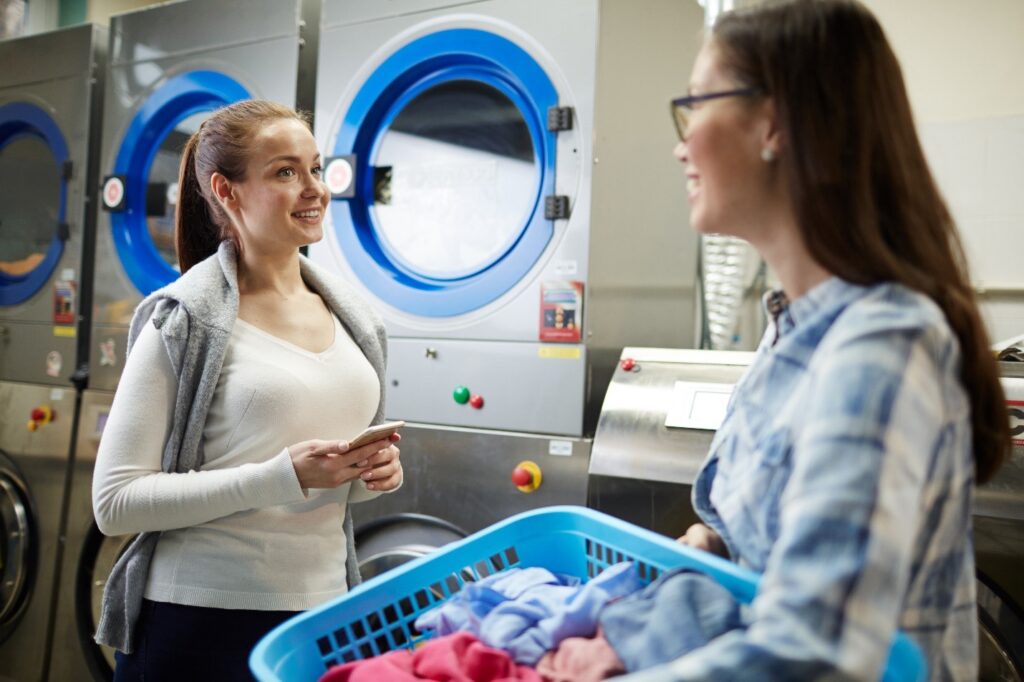
An independent model means building your own brand from scratch. You select machines, design the store, choose software, and control all pricing.
You are responsible for:
- Brand identity
- Equipment sourcing
- Store layout
- Marketing strategy
- Pricing model
- Growth planning
This route offers full control, but demands stronger planning and execution.
Control vs Convenience
The core debate is franchise vs own brand.
Franchise benefits:
- Faster launch
- Structured system
- Lower learning curve
- Brand recognition
Independent benefits:
- Full pricing control
- Freedom in promotions
- Localized branding
- Scalable your way
- No royalty drains
If you want a guided path and don’t mind restrictions, a franchise works. If you prefer control and long-term margin, independence wins.
Operational Flexibility

Franchise rules often limit:
- Payment system choice
- Equipment upgrades
- Local promotions
- Layout changes
- Service pricing
An independent laundromat lets you:
- Add new machines anytime
- Adjust prices by location demand.
- Offer local deals
- Experiment with layouts
- Upgrade tech freely
In competitive areas, flexibility is often the difference between average and high-performing stores.
Risk Profile
Franchises reduce early-stage mistakes but introduce long-term dependency. If the brand struggles, every outlet is affected.
Independent laundries carry more early risk, but:
- You own the brand
- You control the strategy.
- You keep all the profit.
- You can pivot anytime.
With proper feasibility planning, the risk gap narrows significantly.
Which Model Fits You?
Choose a franchise if you:
- Want a ready-made system
- Have limited business experience
- Prefer predictable structure
- Accept fixed costs
Choose independent if you:
- Want full ownership
- Aim for higher margins.
- Plan multi-store growth
- Want local brand power.
The Malaysian market rewards operators who adapt fast. That favors independent models when backed by expert planning.
Conclusion
Both models work. The real question is how much control you want over your future. A franchise trades freedom for structure. An independent laundromat trades comfort for scalability.
If your goal is long-term growth, brand ownership, and profit optimization, building your own system often delivers better outcomes.
Book a consultation to evaluate your location, budget, and ROI potential with Launch Laundry.
FAQs
1. Is a coin laundry franchise Malaysia model safer than independent?
Franchises reduce early mistakes but add long-term cost and restrictions. Independent setups can be equally safe with professional planning.
2. What does a laundromat franchise fee usually include?
It typically covers brand rights, training, store design, and system access. It does not always include machines or renovation.
3. Can an independent laundromat compete with franchise brands?
Yes. With the right equipment, layout, and local marketing, independent stores often outperform franchise outlets.
4. Which model gives faster ROI in Malaysia?
Independent laundries often reach break-even faster due to lower overhead and full profit retention.