


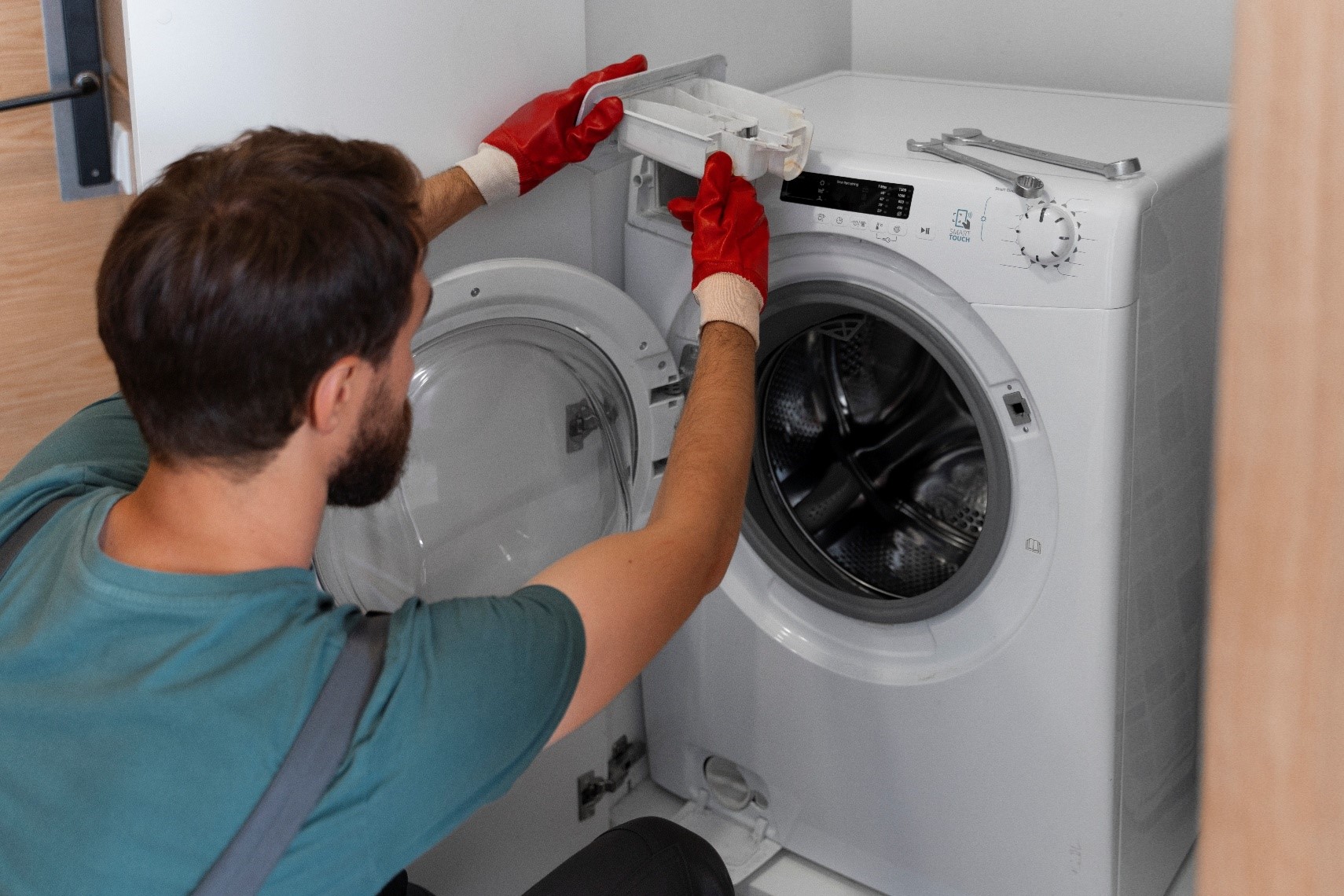
Identifying Common Commercial Washer & Dryer Issues—and How to Fix Them
Washers and dryers used commercially are designed to be heavy and used continuously. Nevertheless, even the quality machines may also develop a problem when they are not well-maintained. The knowledge of typical issues and the way to overcome them contributes to avoiding downtime, decreasing the cost of repairs and securing the daily operations. The author of this blog describes the most common problems related to commercial washers and dryers, why they happen and provides simple, effective solutions that are consistent with the professional laundry setting.
Common Commercial Washer Problems
Washer Not Draining Properly
Poor drainage often results from:
- Clogged drain pumps
- Blocked filters
- Faulty drain valves
How to fix it:
- Inspect and clean drain filters weekly
- Check hoses for lint or debris buildup.
- Replace worn pumps using certified industrial.
- washing machine parts dealer support
Ignoring drainage issues can lead to water overflow and machine shutdowns.
Excessive Vibration or Noise
Unusual vibration usually indicates:
- Unbalanced loads
- Worn shock absorbers
- Loose mounting bolts
How to fix it:
- Ensure loads are evenly distributed
- Tighten all external and internal fasteners.
- Replace damaged suspension components promptly.
Persistent vibration shortens machine lifespan and affects floor integrity.
Washer Not Filling with Water
This issue is often caused by:
- Malfunctioning inlet valves
- Blocked water lines
- Control board errors
How to fix it:
- Clean inlet filters
- Verify water pressure meets manufacturer requirements.
- Replace valves or sensors using compatible industrial washing machine parts dealer
- inventory.
Common Commercial Dryer Problems
Dryer Not Heating Properly
Lack of heat reduces drying efficiency and increases energy costs.
Common causes include:
- Failed heating elements
- Gas valve issues
- Temperature sensor failure
How to fix it:
- Test heating components regularly
- Replace faulty elements using huebsch dryer parts approved for commercial use.
- Schedule periodic thermal inspections.
Dryer Takes Too Long to Dry
Slow drying is often linked to airflow restrictions.
Check for:
- Lint buildup in ducts
- Blocked exhaust vents
- Worn blower wheels
How to fix it:
- Clean lint traps after every cycle
- Inspect ducting monthly
- Replace airflow components with genuine Huebsch dryer parts when performance drops.
Dryer Shuts Down Mid-Cycle
Unexpected shutdowns usually result from overheating or sensor faults.
How to fix it:
- Inspect thermostats and safety cutoffs
- Ensure proper ventilation clearance.
- Avoid bypassing safety mechanisms.
Consistent shutdowns signal deeper electrical or airflow problems that require professional servicing.
Preventive Maintenance Best Practices
To reduce breakdowns and extend equipment life:
- Follow the manufacturer’s service intervals
- Use OEM-grade replacement parts only.
- Train staff to identify early warning signs
- Partner with a reliable industrial washing machine
- parts dealer for fast replacements
Preventive maintenance costs far less than emergency repairs and lost operating hours.
Conclusion
There will always be commercial washer and dryer problems, but they will never last long. Operators are able to sustain consistent performance, energy efficiency and customer satisfaction by early detection and applying the appropriate repair strategy to the identified issues. Good spare parts, regular maintenance schedules, and the services of professional technical assistance will make a difference in terms of long-term operations.
For dependable guidance, parts sourcing, and commercial laundry support, trust Launch Laundry.
FAQs
1. What causes frequent breakdowns in commercial washers?
Poor maintenance, overloaded cycles, and delayed part replacement are the most common causes.
2. How often should commercial dryer parts be replaced?
Wear parts should be inspected quarterly and replaced as soon as performance declines.
3. Are OEM parts necessary for commercial laundry machines?
Yes. OEM parts ensure compatibility, safety, and long-term efficiency.
4. How can I reduce downtime in my laundry operation?
Use preventive maintenance schedules and source parts from a trusted industrial washing machine parts dealer.